With growing South Asian communities and a national appetite for diverse flavors, you now find Indian sweets celebrated in farmer’s markets, cafés, and fine-dining menus across Canada. You’ll discover traditional mithai and innovative fusion treats using local ingredients, seasonal variations, and health-conscious adaptations that appeal to many palates. This sweet migration reflects cultural exchange, entrepreneurial creativity, and your own evolving taste for rich textures and aromatic spices.
The Rich Heritage of Indian Sweets
From temple offerings to royal feasts, you witness a culinary lineage spanning millennia: sugarcane and jaggery traditions, dairy processing techniques, and spice blends that evolved regionally. You’ll note sweets anchoring more than 20 major festivals-Diwali, Eid, Ganesh Chaturthi among them-and influencing migration-era tastes in diaspora hubs, where traditional recipes adapt while preserving signature ingredients like ghee, khoya, cardamom and saffron.
Historical Significance
You can trace many mithai back to ancient ritual and medicinal uses; Ayurvedic texts reference honey and jaggery confections, and classical temple prasad established sweets as communal offerings. Mughal kitchens from the 16th century popularized milk-based desserts such as barfi and peda, while 19th-century sweet shops commercialized recipes, creating identifiable regional specialties you still find celebrated today.
Regional Varieties
You’ll discover hundreds of local specialties across India: Bengal’s rasgulla and sandesh, Odisha’s chhena poda, Maharashtra’s modak, Punjab’s gajar halwa and paneer-based laddoos, and Gujarat’s milk peda and jaggery chikki. Coastal areas favor coconut and jaggery, northern kitchens emphasize khoya and milk solids, and the south uses rice and coconut, so your palate maps directly to geography and technique.
You can study regional technique differences to appreciate the craft: chhena curdling and whey drainage in eastern sweets, slow-reduction khoya in the north, tempering with ghee and cardamom in the west, and steamed rice-based preparations in the south. In practice, makers measure sugar syrup at precise thread stages, age khoya 12-24 hours for texture, and balance saffron or rosewater by pinch-details that shape the distinctive mouthfeel and aroma you recognize from each region.
The Indian Sweet-Making Process
When you step into a mithaiya’s kitchen, techniques converge: milk reduced to khoya by simmering 4-6 hours, chhena formed by curdling warm milk with lemon or vinegar, and sugar syrups brought to soft‑ball stage (~112-116°C) for syrupy sweets. You observe deep‑frying at 160-170°C for gulab jamun and careful tempering of ghee in besan-based sweets, all timed to deliver specific textures and glossy finishes.
Traditional Methods
You witness time-honored practices: hand-kneading chhena 5-15 minutes to create springy rasgullas, slow‑roasting besan over low heat for 20-30 minutes to remove raw flavor, and open‑fire reductions in heavy brass vessels that concentrate milk solids. Artisanal shops still use stone grinders and wooden molds, preserving consistency that machines struggle to mimic.
Ingredients and Flavors
You encounter staples-milk, ghee, sugar, jaggery, gram flour-plus aromatics like cardamom, saffron, rose water and nuts (pistachio, almond). Regional choices vary: Bengal favors chhena-based sweets; Maharashtra leans on jaggery and coconut. Typical garnishes include crushed pistachios or a few saffron strands to add color and a floral lift.
You also notice balance: you adjust sugar vs jaggery to manage sweetness and depth-jaggery adds molasses notes while sugar gives neutral sweetness. Many Canadian shops substitute or blend local maple syrup or organic cane sugar to suit palates; trials show lowering syrup concentration by 10-20% often wins customers preferring less saccharine profiles.
The Rise of Indian Sweets in Canada
Across neighbourhoods from Brampton to Vancouver, you witness a sharp increase in mithai shops and fusion dessert cafés: over 150 specialty outlets and weekend pop-ups now cater to local tastes, and festival demand during Diwali and weddings can raise sales by 25-40%. Retailers report packaged ladoos, gulab jamun and jalebi moving from ethnic aisles into mainstream grocery shelves, while chefs adapt recipes for Canadian palates by reducing sugar and adding local ingredients like BC berries and Quebec cream.
Cultural Exchange and Migration
Your everyday access to Indian sweets reflects migration patterns: sizeable waves since the 1970s and a surge after the 1990s tech and professional immigration brought cooks and entrepreneurs who opened neighbourhood mithai shops. Community hubs such as Brampton and Surrey now host multi-generational patisseries, and family-run businesses exported regional specialties-rasgulla from Bengal, Mysore pak from Karnataka-helping you experience authentic regional variety without leaving Canada.
Growing Popularity Among Canadians
You see Indians sweets embraced beyond South Asian communities as cafés and food festivals showcase fusion creations like gulab jamun cheesecake and mango lassi sorbet, boosting curiosity among non-South Asian diners. Major grocers stock pre-packaged mithai around festival seasons, and social media food influencers routinely feature Indian desserts, driving trial and repeat purchases across age groups.
Further, your local farmers’ markets and night markets increasingly feature Indian dessert vendors; events such as Diwali markets and Taste festivals report long lines for jalebi and kulfi stands. Younger Canadians often discover these sweets through friends or Instagram reels, and data from regional food fairs show dessert booths averaging 30-50% higher foot traffic when Indian sweets are on the menu.
Fusion Desserts: Blending Cultures
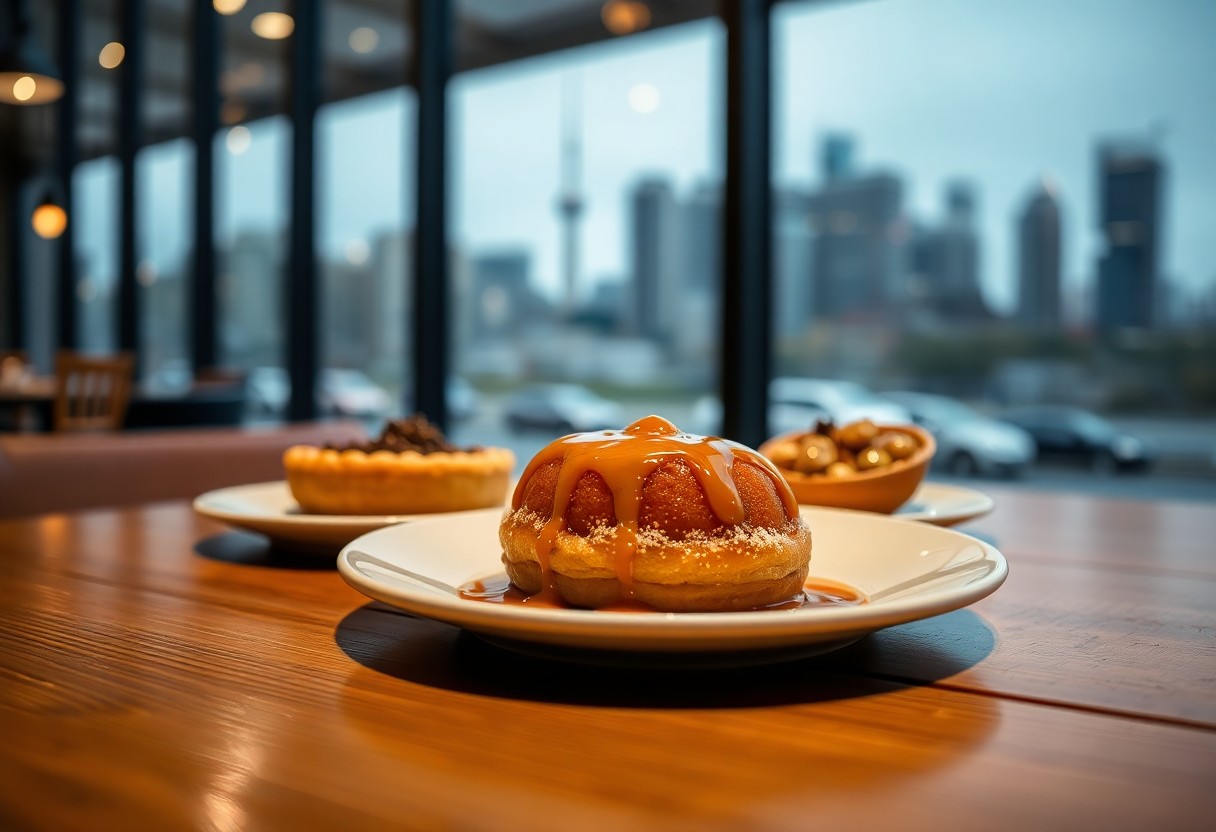
You’ll find gulab jamun cheesecakes, jalebi funnel cakes and mango lassi panna cotta in bakeries from Toronto to Surrey, where chefs blend Indian spices with Western techniques. Chefs infuse cardamom and saffron into custards, substitute ghee for butter in laminated doughs, and swap refined sugar for jaggery in toffees, creating hybrids that satisfy both diasporic cravings and adventurous local palates.
Innovative Recipes
You can taste chai tiramisu and rasgulla cheesecakes at cafés that pair Indian sweets with Western formats; Toronto spots transform rasgulla into airy cheesecake layers while Vancouver pâtisseries serve saffron crème brûlée with besan tuile. By rethinking texture-turning gulab jamun into moist cake centers and kulfi into churned ice cream-bakers make familiar flavors accessible to new audiences.
Celebrating Diversity
You notice fusion desserts at Diwali fairs, summer food festivals and multicultural weddings, where dessert bars featuring jalebi donuts and mango cheesecake attract diverse crowds. Vendors report rising cross-ethnic sales as non-South Asian customers sample fusion items first, demonstrating how shared sweetness creates common ground in Canadian food culture.
You’ll also see chef collaborations-Indian pastry chefs partnering with French-trained colleagues-to refine techniques, plus pop-up dessert labs in food halls that test hybrids before they hit mainstream menus. Your workplace catering or a community potluck now often includes fusion dessert stations, and culinary programs increasingly teach spice-driven pastry modules, speeding wider acceptance across generations.
Health and Wellness in Indian Sweets
Across Canadian shops you’ll notice a shift toward mindful mithai: portion-controlled boxes, nut-forward bites and jaggery or date swaps that change the nutrition math. Many traditional treats fall in the 200-350 kcal per 100 g range, while milk solids and nuts add calcium and 4-8 g protein per typical serving. This lets you enjoy authentic flavors while making informed choices about portions, ingredients and occasional indulgence.
Nutritional Aspects
Traditional Indian sweets are carbohydrate- and fat-dense because of sugar, jaggery and ghee, yet they also supply protein, calcium and micronutrients-milk-based rasgulla offers lower calories (around 120-160 kcal/100 g) versus fried gulab jamun (~300 kcal/100 g). Chickpea-based ladoos deliver fiber and plant protein, ragi or sesame versions boost magnesium and iron, and nuts contribute monounsaturated fats and vitamin E to improve satiety when you include them.
Health-Conscious Adaptations
In Canada you’ll find bakers cutting sugar by 20-30% in recipes, baking instead of frying, and using date-puree, jaggery or coconut sugar to lower refined sugar content; vegan mithai uses almond or oat milk, while gluten-free besan and ragi options cater to dietary needs. These swaps preserve cardamom and saffron profiles so you get familiar tastes with improved nutrition.
Beyond ingredient swaps, pastry chefs and nutritionists collaborate to reformulate classics: they roast nuts to intensify flavor (reducing added sugar), add protein-dense ingredients like Greek yogurt or paneer to balance glycemic load, and introduce portioned gift boxes with Nutrition Facts panels so you can compare options; small changes-30% less sugar, more fiber from whole grains or nuts-often cut glycemic impact and make frequent enjoyment more compatible with your wellness goals.
Indian Sweet Shops in Canada
Across Toronto, Brampton, Vancouver and Surrey you’ll find clusters of sweet shops anchored in neighbourhoods like Gerrard India Bazaar and the Punjabi Market, serving a growing South Asian population of roughly 2.6 million. You can choose between decades-old family-run mithai counters and contemporary patisseries that blend Indian confections with Western pastry techniques, offering everything from classic rasgulla and kaju katli to innovative saffron-infused cheesecakes.
Notable Establishments
You’ll notice long-established stores lining Gerrard Street and Brampton’s commercial corridors that specialize in wedding boxes and festival trays, while downtown Toronto and Vancouver host newer boutiques offering plated mithai and fusion desserts. Many of these shops showcase regional specialties-gujarati pedas, Bengali sandesh-and some upscale bakeries now sell curated assortments priced from $15-$50 for gift-ready boxes.
Customer Experiences
When you visit, expect warm, hands-on service: tasting samples, custom packaging for celebrations and explanations of flavour profiles from staff who often learned recipes across generations. Newcomers use sweet shops to reconnect with heritage, while curious Canadians sample mithai at markets and order for parties; during festival windows shops extend hours and you may encounter lines for signature items.
Beyond in-store visits, you can order many sweets online or by phone with local delivery; shops commonly offer customization for dietary needs-lighter sugar, ghee-free or nut-free options-and loyalty discounts. Social proof matters: customer reviews and Instagram posts frequently guide your choices, and shops that publish ingredient lists and certifications gain quicker trust among health-conscious buyers.
To wrap up
The growing presence of Indian sweets in Canada shows how taste transcends borders, as you find diverse flavors, artisanal craftsmanship, and adaptable recipes that suit local palates and dietary needs; your festivals, family gatherings and everyday treats benefit from this cultural exchange, while entrepreneurs and chefs continue innovating with quality ingredients and smart marketing, so you can enjoy authentic and fusion confections that bridge communities and create lasting culinary connections.