Over the seasons, you can find Brampton’s best Indian sweet shops by scouting neighborhood favorites, sampling seasonal specialties, checking up-to-date customer reviews, and inspecting freshness and hygiene in person; consult local community groups, ask shop staff about mithai preparation and sourcing, compare prices and portion quality, and follow festival menus to ensure your picks deliver authentic taste and consistent quality all year round.
How to Start Your Search for Indian Sweet Shops
Start by mapping a 10 km radius and shortlist 3-5 shops to visit on weekend mornings when milk-based sweets are freshly made; call ahead for seasonal items like kaju katli or jalebi. Use Google Maps to compare hours and star ratings, then taste-test two staple items at each shop to evaluate freshness, sweetness balance, and texture before narrowing your picks.
Define Your Criteria for Quality
Decide what matters most to you: authentic texture (soft rasgulla, flaky barfi), balanced sweetness, fresh dairy or ghee aroma, and ingredient transparency. Set measurable thresholds-aim for shops with 4.0+ stars and consistent praise for texture, or price ranges of about $8-$20 per pound for artisanal sweets-so your comparisons stay objective.
Explore Local Reviews and Ratings
Scan Google Reviews, Yelp, Facebook, and food blogs for shops with at least 4.0 stars and 50+ reviews, prioritizing recent posts with photos. Focus on recurring descriptors like “fresh,” “not too sweet,” or “rich in ghee,” and note whether owners respond to negative feedback, as that signals accountability and consistency.
Dig deeper by sorting reviews by most recent to spot quality trends, checking image timestamps to validate freshness claims, and watching for patterns-such as complaints about stale sweets after weekend rushes or praise for morning batches. Cross-reference with Peel Public Health inspection summaries and local Facebook groups to separate isolated bad experiences from systemic problems.
Tips for Finding Authentic Indian Sweets
You can prioritize shops that make sweets in-house, prepare daily in small batches (2-3 times) and openly display fresh mithai; ask how long items have been out-prefer under 24 hours. Check for visible khoya or chhena work, glass-front kitchens, and staff who offer small tastings. Compare 3-5 shops during festivals like Diwali to spot consistent quality. Knowing which shops make sweets in-house helps you pick authentic flavor.
- Ask if sweets are made on-site and how many batches are made per day.
- Smell for real ghee and look for whole nuts (pistachio, almond) rather than powdered toppings.
- Request ingredient lists for pricier items-saffron, cardamom, and real khoya are good signs.
- Sample a small piece before buying larger quantities, especially for seasonal specials.
- Note display timing-avoid shops with long-exposed trays (over 24 hours).
Look for Key Ingredients and Preparation Methods
You should inspect ingredient lists and ask if sweets use khoya (milk solids) or chhena; authentic burfi, peda and rasgulla rely on khoya/chhena and real ghee, saffron, and cardamom. For example, genuine rasgulla uses chhena curdled with lemon or citric acid, while gulab jamun often uses khoya and is fried at about 160-175°C before soaking. Ask staff about batch sizes and whether they use artificial syrups.
Seek Recommendations from the Community
Tap into local networks: ask temple congregations, South Asian grocery owners, or community Facebook and WhatsApp groups for top picks-request 3 specific names and recent experiences. You can also ask caterers who supply Diwali/naamkaran events; they often recommend shops that consistently deliver quality in quantities of 50-200 pieces. Trust repeated mentions over single-star reviews when evaluating authenticity.
When asking, specify what matters: fresh daily production, whether sweets are homemade or vendor-supplied, price per kg (expect $12-25/kg for premium mithai), and whether the shop will package for travel. You should request recent photos, ask for a small sample at pickup, and compare feedback from at least five community members to spot consistent praise or complaints.
Factors to Consider When Choosing a Sweet Shop
You gauge a shop by freshness, hygiene, pricing, variety, and service – many Brampton shops make hundreds of sweets daily and stock 30-60 varieties like gulab jamun, kaju katli, peda, and jalebi. Inspect display temperatures, visible prep areas, and weekday vs festival stock levels; online reviews often note consistency over months. Assume that you prefer shops that label ingredients, offer clear bulk pricing, and replenish hot items several times a day.
- Freshness and daily production
- Cleanliness and visible prep
- Price per piece and bulk discounts
- Range of traditional and seasonal mithai
- Allergen labeling and ingredient transparency
- Pickup, delivery, and packaging options
- Customer reviews and repeatability
Location and Accessibility
You should favor shops near major arteries or transit hubs – being within 500-800 m of a GO/bus stop or a 10-15 minute drive means fresher same-day pickup. Check for at least 10-20 parking spots if you order bulk for events, plus ramp access for accessibility. Also note weekend and festival hours: several Brampton sweet shops extend hours or open earlier during Diwali and Eid, which affects timing for fresh sweets.
Variety of Sweets Offered
You’ll want a shop offering both staples and regional specialties: expect 30-60 options in larger stores, including rasgulla, soan papdi, barfi, motichoor laddoos, and seasonal mango or rose-based sweets. Verify whether they produce hot items (jalebi, gulab jamun) to order fresh, and if they rotate flavors for festivals like Diwali and Holi.
You can dig deeper by checking seasonal rotation, dietary options, and customization: many shops provide sugar-free or nut-free variants, mango-based sweets in June-August, and festival-specific boxes. Ask about lead times – bulk or customized orders commonly need 24-72 hours and often qualify for discounts at 50+ pieces – and inspect packaging for catering-safe trays and transport stability.
Seasonal Specials and Offers
Understanding the Festivals and Their Impact
During Diwali, Holi, Eid and Navratri you’ll find shops in Brampton launching limited runs-gujiya for Holi, kaju katli and motichoor laddoos for Diwali, seviyan or sheer khurma for Eid-often sold in 500 g and 1 kg boxes. Demand can spike 2-3x the usual footfall, prompting special packaging, combo deals and occasional 10-20% festival discounts; larger stores frequently introduce pre-order deadlines 7-10 days ahead, so planning your orders saves both time and scarcity hassles.
Timing Your Visits for Freshness
For daily freshness aim for morning windows: many shops restock between 7-10 AM and fry jalebi cycles at dawn, so you’ll get warm sweets and newly plated barfis. If you prefer milk-based mithai like rasgulla or rasmalai, buy within 24-48 hours of arrival; for shelf-stable items such as burfi, picking up within 3-5 days of baking ensures best texture. Weekends and festival evenings are busiest, so shift visits to weekday mornings when possible.
For specific choices, target specialized timing: arrive within an hour after jalebi frying for crispness, pick up laddoos on the morning they’re made to avoid oil oxidation, and request shop staff about batch times-many Brampton shops will tell you the exact hour their sweets were prepared, letting you target the freshest batches and avoid mass-produced leftovers.
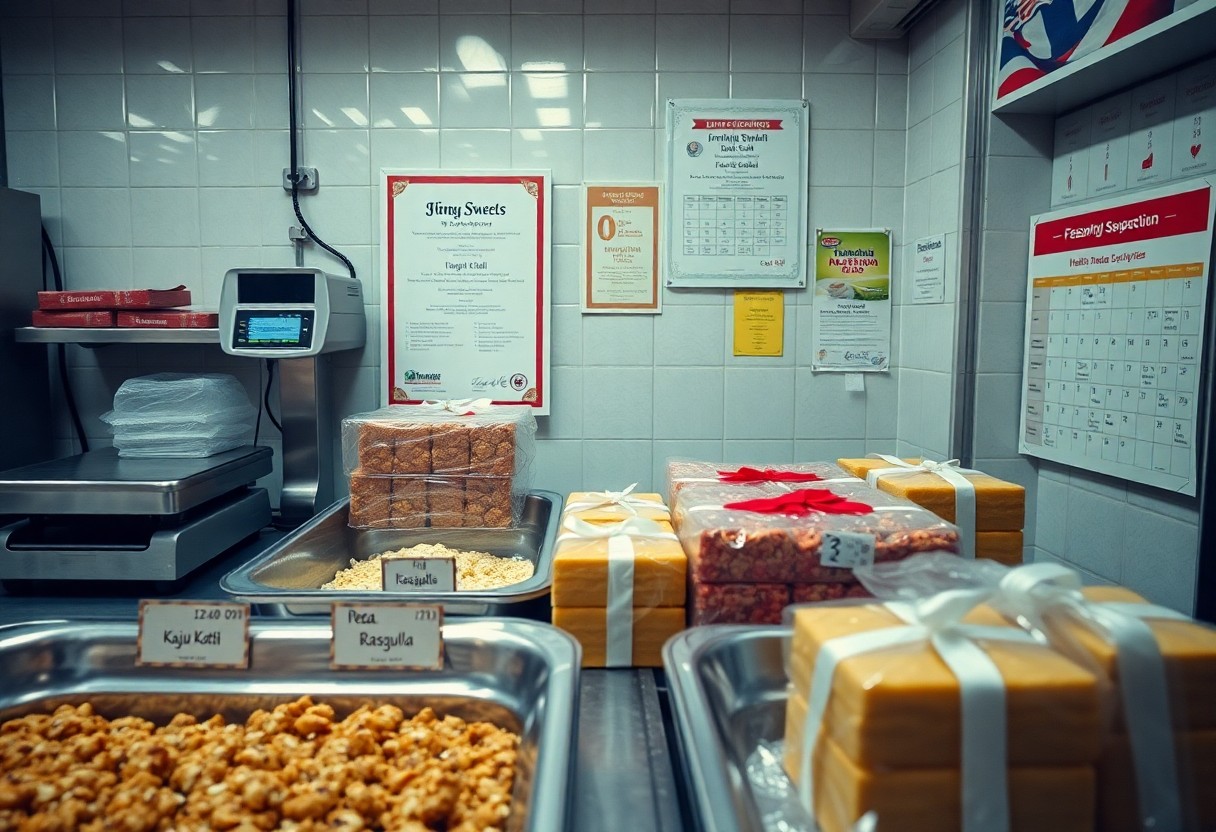
Visiting Sweet Shops: What to Look For
Shop Ambiance and Customer Service
Assess cleanliness, display, and staff knowledge as you walk in; clear glass cases, labeled prices, and visible production dates signal professionalism. You should note whether staff offer storage and packing advice, accept cards or online orders, and provide gift wrapping-these services matter if you’re buying for events. Peak fresh-batch times often fall mid-morning and early evening, so ask when a particular mithai was made and whether the shop allows you to inspect the preparation area.
Sample Before You Buy
Ask for 1-2 bite samples of items you’re unsure about and compare similar sweets-try a peda from two shops to evaluate texture and ghee flavor. You should test a milk-based sweet for creaminess and a syrup-based item for syrup concentration; many Brampton shops will offer 1-3 free samples, especially around Diwali or wedding season. Use samples to gauge shelf life expectations, like 2-4 days for fresh milk mithai versus weeks for dry sweets.
When sampling, request sanitary toothpicks or small plates and tell staff your storage plans-if you’re traveling or serving at a party they can suggest firmer varieties or vacuum-sealed packing. You should also ask when the batch was made, whether sweets contain preservatives or nuts, and get a quick reheating tip (for example, warm gulab jamun in syrup for 20-30 seconds). Expect to pay roughly $12-$25 per pound for premium mithai in Brampton; use samples to justify the price before committing.
How to Stay Updated on New Indian Sweet Shops
Follow Local Food Blogs and Social Media
Follow 3-5 reliable local sources-BlogTO, Narcity, Instagram food accounts and TikTok creators covering the GTA-and subscribe to their newsletters; enable post notifications so you see first-day posts and stories. Use Google Maps and Yelp “new” or “recently opened” filters and scan hashtags like #BramptonEats or #GTAFood for user photos; when a dessert spot gains traction you’ll often find menus, price ranges, and opening-day crowds within hours.
Join Community Groups and Forums
Join Facebook groups, Reddit’s r/Brampton, and Nextdoor threads where members post photos, tip-offs, and honest reviews; many groups range from 5,000-50,000 members, so recommendations surface quickly. Post a request for “best peda or gulab jamun near Hurontario” and you’ll get specific shop names, street-level directions, and recent visitor reports within a day.
Use keyword alerts (Google Alerts for “Brampton sweet shop opening” or “mithai Brampton”), save popular threads, and turn on group notifications for “new posts.” Participate by sharing your finds and photos-active members often get invited to soft-opening tastings or WhatsApp chains that announce pop-ups and weekend specials before they hit mainstream channels.
To wrap up
On the whole you can find the best Indian sweet shops in Brampton year-round by combining online research with on-the-ground testing: read recent reviews and menus, follow shops on social media for seasonal offerings, ask locals and staff about freshness and sourcing, sample signature sweets and check hygiene, compare prices and portion sizes, and revisit favorites across festivals to gauge consistency. Your informed, repeat visits will reveal the shops that consistently deliver quality.