Most celebrations call for sweets that connect taste and tradition; you find milk cake’s rich texture, simple ingredients, and cultural symbolism make it an ideal choice for honoring milestones and pleasing diverse guests.
The Cultural Heritage of Mithai in Indian Celebrations
Mithai reflects centuries of ritual and family practice, so when you present milk cake you connect festivals to ancestral memory, sacred offerings, and communal identity, making celebrations deeply rooted and sensorially rich.
Symbolic Importance of Sweets in Auspicious Beginnings
Sweets act as first offerings at pujas and housewarmings, so you signal auspicious beginnings and blessings by sharing milk cake, invoking prosperity and moral goodwill in ceremony and home alike.
The Role of Gifting in Strengthening Social Bonds
Gifting mithai lets you express gratitude, mark social milestones, and renew ties; a box of milk cake becomes a portable goodwill gesture that smooths relations and celebrates reciprocity.
Gifts of sweets create rituals of exchange where you reaffirm social hierarchies and friendships through tasting and conversation; by choosing milk cake you demonstrate respect for local tastes and family history, prompting reciprocal visits, shared stories, and a steady cadence of communal gatherings. Thoughtful presentation-clean packaging, balanced portions, and timely delivery-ensures your offering is valued and cherished across festivals, weddings, and everyday hospitality.
Decoding the Enduring Popularity of Milk Cake
You savor milk cake for its caramel warmth, grainy melt-in-mouth texture and nostalgic aroma that link every bite to festive moments, making it a go-to sweet across celebrations.
The Science of Caramelization and Grainy Texture
Caramelization of milk sugars and Maillard reactions give you browned, toffee-like notes while controlled curd formation creates the delicate grainy structure that melts and balances richness.
Traditional Slow-Cooking Methods vs. Modern Production
Traditional slow-cooking concentrates milk solids through prolonged low heat and constant stirring, offering you deeper caramelization and uneven grains that signal artisan preparation.
Modern production uses large-scale heating systems, vacuum pans and continuous stirring to standardize grain size, moisture and shelf-life, giving you consistent texture and longer storage but often milder caramel complexity; when you choose between artisanal and industrial variants, weigh handmade depth against predictable convenience for your event.
Adaptability Across Diverse Festive Occasions
You can adapt milk cake and other sweets to match any festival’s mood, from simple family rituals to grand public celebrations, thanks to flexible sizes, flavors, and presentation.
A Centerpiece for Religious Ceremonies and Poojas
During poojas, you present milk cake as a cherished offering, its sweetness symbolizing blessing and community, fitting both small home rituals and temple ceremonies.
Elevating Milestones from Weddings to Corporate Events
At weddings and corporate gatherings, you can offer milk cake as an elegant sweet that bridges tradition and contemporary taste, pleasing diverse guest lists.
Offering milk cake in assorted sizes and flavored variations lets you suit guest demographics, from bite-sized platters for cocktail receptions to ornate slabs for traditional banquets. You may customize packaging for corporate branding or wedding favors, and choose sugar levels or fillings for dietary needs. This versatility reduces planning friction while honoring cultural taste.
The Wholesome Composition of Traditional Milk Sweets
Dairy-rich milk sweets combine concentrated milk solids, ghee, and subtle sweeteners, giving you steady energy, calcium, and a comforting flavor that complements festive occasions.
Nutritional Benefits of Concentrated Milk Solids (Khoya)
Khoya supplies dense protein, calcium, and fats that support quick nourishment; you can portion it to balance indulgence and sustenance during gatherings.
Maintaining Purity and Quality in Traditional Recipes
Traditional preparation uses minimal additives, so you can enjoy authentic taste while getting wholesome nutrients without unnecessary preservatives.
You should source full‑fat milk and freshly prepared khoya, insist on pure ghee and natural flavorings, and verify hygienic cooking and storage practices; these steps preserve taste, prevent adulteration, and assure consistent quality across batches.
Comparing Milk Cake with Modern Fusion Desserts
Milk cake outshines many fusion sweets with its comforting texture and pure ingredients, giving you a dependable celebratory choice that complements both traditional rituals and modern menus.
Quick Comparison
| Milk Cake | Modern Fusion Desserts |
|---|---|
| Milky, caramel notes | Bold, experimental mixes |
| Few whole ingredients | Multiple exotic components |
| Longer shelf life, denser texture | Often perishable, airy textures |
| Easier to pack and ship | May need cold chain or delicate handling |
| Nostalgic across generations | Trendy, niche audiences |
Why Timeless Flavors Outlast Culinary Trends
Traditional flavors in milk cake anchor memories and offer you consistent satisfaction that outlasts many experimental fusion trends.
The Practicality of Shelf Life and Global Shipping
Shelf-stable recipes and dense texture help you ship milk cake farther with lower spoilage risk than many airy fusion creations.
Dense composition and reduced moisture let you store milk cake longer without refrigeration, lowering waste for event planners and vendors. You can wrap and vacuum-seal portions to meet international shipping rules while keeping flavor intact, so gifts reach loved ones abroad in good condition. Choosing milk cake simplifies logistics and preserves quality across distances.
Sourcing and Preserving Authentic Indian Sweets
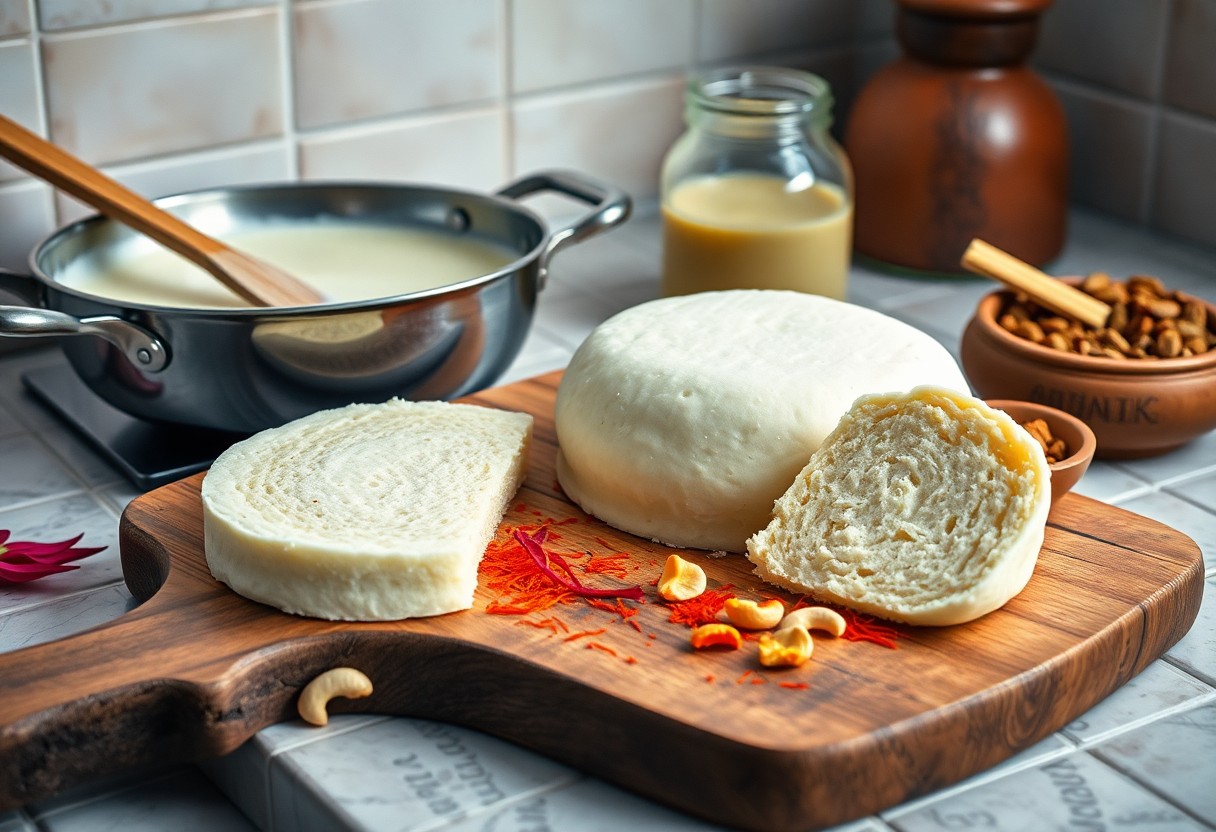
Sourcing from trusted halwais and checking ingredient lists helps you identify genuine milk cake; look for full‑fat milk, limited preservatives, and traditional methods. Small‑batch producers often offer truer texture and flavor than mass outputs, so you can ensure authenticity and support artisans.
Recognizing High-Quality Milk Cake by Color and Aroma
Observe the milk cake’s pale cream to light brown hue and warm, milky aroma; you should avoid overly artificial colors or overpowering chemical scents. Fresh ghee notes and subtle caramelization signal proper cooking and quality.
Optimal Storage Practices for Maintaining Freshness
Store milk cake in an airtight container at cool room temperature for short-term use, or refrigerate to extend freshness; you should wrap pieces in butter paper to prevent drying and separate strong-smelling foods. Bring to room temperature before serving for best texture.
When you refrigerate milk cake, first layer pieces on parchment and seal in an airtight glass or tin container to avoid moisture and odor transfer. For freezing, double-wrap in cling film and foil, label the date, and thaw slowly in the refrigerator to prevent condensation that can alter texture. If you keep sweets at room temperature, place them in a cool, dry spot away from sunlight and strong aromas and consume within a few days for peak flavor.
Summing up
Ultimately you find that milk cake and other traditional Indian sweets fit every celebration because you get rich flavors, shareable portions, cultural resonance, and simple ingredients that delight guests across ages and occasions.