It’s that vibrant time of year again when you get to embrace the joy of Holi, and with it comes an enticing array of Indian sweets that truly embody the spirit of the festival. As you prepare to indulge in these delightful treats, you might wonder which unique flavors set the best sweets apart. From the rich, creamy notes of saffron to the nutty crunch of pistachios, each sweet offers a harmonious blend of ingredients that creates a memorable tasting experience. Join us as we explore the flavors that define the festive sweets you can’t miss this Holi!
The Importance of Sweets in Holi Celebrations
Before stepping into the delightful world of Indian sweets, it’s vital to understand that sweets play a pivotal role in Holi celebrations. As you partake in this vibrant festival filled with colors and joy, the sweets you share with family and friends not only enhance the festivities but also embody deeper cultural and emotional meanings. Each sweet carries its unique flavor, history, and significance, making them an integral part of Holi traditions.
Cultural Significance
An array of traditional sweets is prepared in Indian households during Holi, reflecting regional diversity and family recipes passed down through generations. These confections often symbolize prosperity, good luck, and the spirit of togetherness. Moreover, sharing sweets is a time-honored tradition that strengthens bonds among your loved ones and fosters goodwill amongst communities. The act of giving and receiving sweets ties into the festival’s broader narrative, symbolizing the triumph of good over evil and the arrival of spring.
Symbol of Joy and Togetherness
Celebrations during Holi are incomplete without the cheerful exchanges of sweets, highlighting their role as symbols of joy and togetherness. As you witness loved ones splashing vibrant colors, the sweet treats become a medium of expression, bringing people closer and bridging differences. Offering sweets to neighbors, friends, and even strangers promotes harmony and camaraderie, a significant aspect of Holi that mirrors the essence of human connectivity.
Importance lies in the joy and togetherness that sweets bring during Holi. When you indulge in these delicacies, you are not just savoring their rich flavors, but also participating in a shared tradition that transcends generations. The simple act of exchanging sweets creates lasting memories and nourishes relationships, making your Holi celebration not just a festive event, but a heartfelt gathering filled with laughter, love, and unity.
Key Ingredients in Indian Sweets
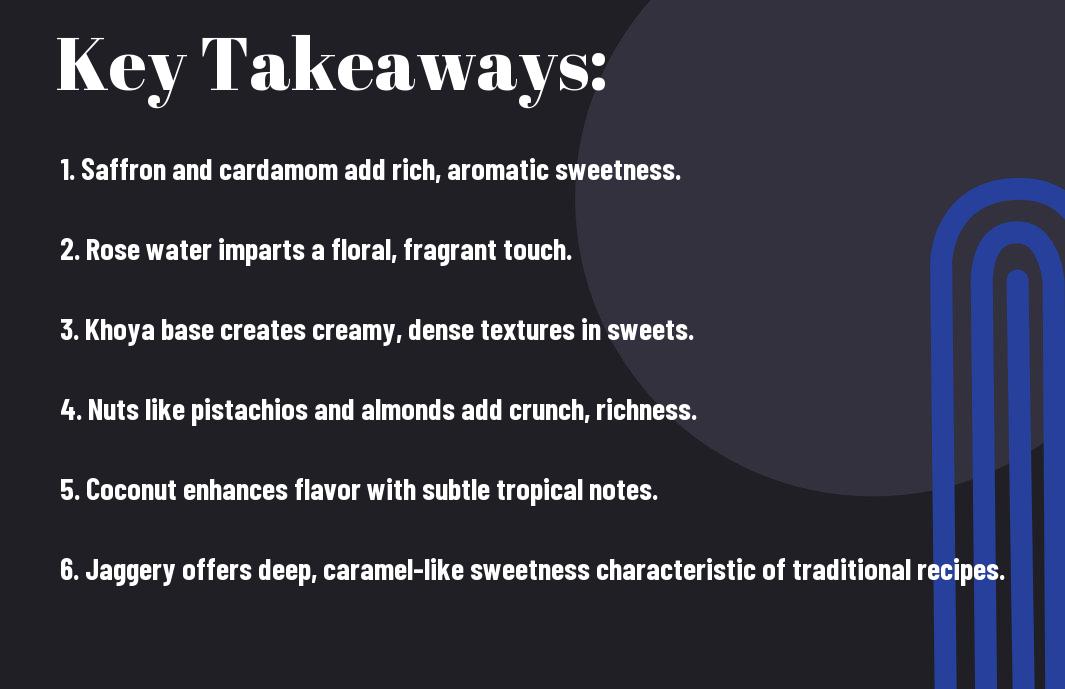
One of the defining features of Indian sweets is their unique and rich flavors, which stem from the careful selection of key ingredients. These ingredients not only contribute to the taste but also elevate the textures and aromas of the delicacies you indulge in during festivals like Holi. Understanding these necessary components can help you appreciate the craftsmanship behind each sweet treat you encounter.
Dairy Products
One of the primary ingredients in many Indian sweets is dairy, particularly milk and its by-products. Milk is often boiled down to make khoya (or mawa), a thickened form of milk that adds a rich, creamy texture to sweets like Gulab Jamun and Barfi. You’ll often find paneer, or Indian cottage cheese, being used in a variety of desserts, providing both flavor and a soft consistency. The use of yogurt can also add a tangy note to certain sweets, balancing out the sweetness and enhancing the overall flavor profile.
Natural Sweeteners
At the heart of Indian sweets lies the use of natural sweeteners, which provide an authentic sweetness that pairs beautifully with the other components. Jaggery, a traditional unrefined sugar made from sugarcane or palm sap, brings a deep, complex flavor that is often preferred over refined sugar. Other natural sweeteners like honey or coconut sugar can also be utilized, adding not just sweetness but depth and character that elevates the entire dish. These sweeteners contribute not only to the taste but also offer a bit of nostalgia, reminding you of the traditional methods passed down through generations.
This reliance on natural sweeteners is necessary for creating the beloved flavors of Indian sweets. They complement the spices used, enhance the creamy textures of dairy, and resonate with the vibrant colors associated with Holi festivities. By exploring these ingredients, you’re able to better appreciate the intricate balance that Indian sweets offer and the artisanal techniques that make them a true delight for the senses during celebrations.
Iconic Indian Sweets for Holi
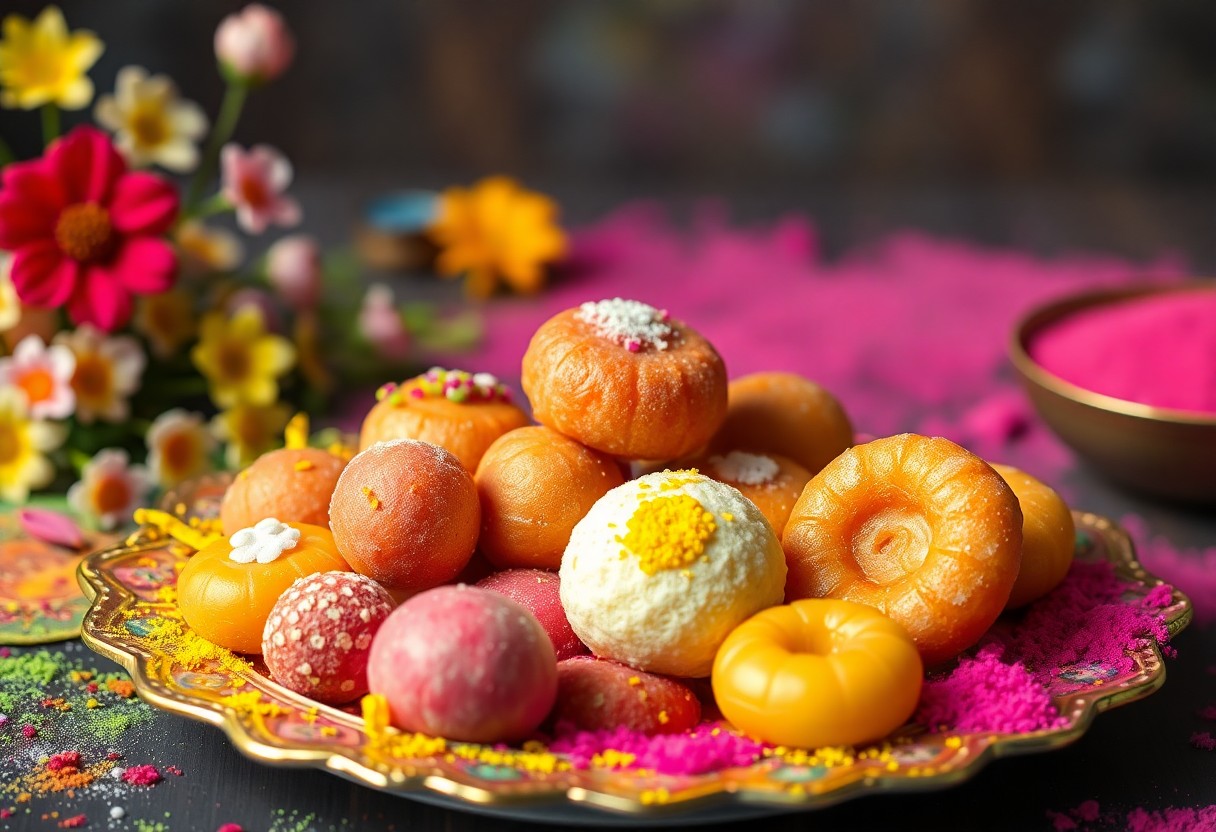
Unlike many other festivals, Holi is not just a celebration of color but also a delightful gastronomic experience where sweets take center stage. The vibrant atmosphere is made even more special with an array of traditional Indian sweets that are beloved by millions across the country. Each sweet has its unique flavor and texture, making them a vital part of your Holi festivities. From stuffed pastries to creamy desserts, you’ll find that these iconic Indian sweets embody the spirit of the festival, bridging joy and tradition in every bite.
Gujiya
The first sweet that often comes to mind during Holi celebrations is Gujiya. This dumpling-like treat is typically filled with a rich mixture of khoya (dried milk), sugar, and a variety of nuts and spices that give it a distinctive flavor profile. Gujiyas are deep-fried until golden brown, resulting in a crunchy exterior that perfectly contrasts with the soft, sweet filling inside. This beloved delicacy not only satisfies your sweet tooth but also embodies the essence of sharing joy and love with friends and family during the festival.
Puran Poli
Against the backdrop of the vibrant festival, Puran Poli emerges as another iconic sweet that you shouldn’t miss. This stuffed flatbread is made with a sweet lentil filling, commonly prepared from split jaggery and spiced with cardamom. The dough is rolled out and cooked on a hot griddle, creating a soft, flavorful treat that pairs beautifully with a dollop of ghee or amul butter. Puran Poli is more than just dessert; it’s a heartfelt offering that embodies the rich culinary tradition of India, making it a must-try during your Holi celebrations.
Poli holds a special significance in various parts of India, with each region adding its own unique twist to the recipe. In Maharashtra, for example, it’s a staple during festivals, often enjoyed with a side of spicy curry or as part of a larger festive meal. The delightful combination of flavors, along with its chewy texture and buttery finish, makes Puran Poli a filling and satisfying choice for the Holi table. As you gather with loved ones, breaking bread with freshly made Puran Poli is sure to create cherished memories.
Kheer
For those with a penchant for creamy desserts, Kheer is an absolute delight that will elevate your Holi celebration. This rice pudding, simmered in milk and flavored with cardamom, raisins, and almonds, offers a rich and indulgent taste that will leave you craving more. Kheer is often garnished with slivers of pistachio and sometimes even garnished with saffron, creating a festively appealing dish that stands out among the array of sweets served during the festival. It’s not only a treat for the taste buds but also a comfort food that soothes the soul.
To enhance the experience of Kheer, indulge in it warm or chilled, depending on your preference. The velvety texture coupled with the sweetness makes it the ultimate crowd-pleaser. Whether served in bowls during family gatherings or offered to guests, Kheer feels like a warm embrace on a lively Holi day, beautifully complementing the mood of celebration with its classic Indian character.
Ladoo
Ladoo often takes pride of place among the sweets typically prepared for Holi, showcasing an impressive range of flavors and ingredients. These round, sweet treats can be made with a variety of bases, including besan (gram flour), coconut, and semolina, with each variation bringing its unique taste and texture to the table. Often adorned with nuts and dry fruits, Ladoos are lovingly made in homes across the country, representing tradition and familial bonds as they are shared among family and friends during the festivities.
But while you may enjoy different types of Ladoo, the quintimportant besan Ladoo remains a timeless favorite. Its nutty flavor combined with the sweetness creates a perfect balance, making it a delicious delight during any celebration. Whether you are indulging in them yourself or gifting them to others, these Ladoos encapsulate the festive spirit, bringing joy to both the giver and the receiver. Embrace this sweet staple at your Holi gathering, and relish in the smiles it brings to your loved ones.
Regional Variations of Holi Sweets
After exploring the vibrant festivities of Holi, it’s fascinating to probe into the distinct regional variations of sweets that people savor during this celebration. Each region of India brings its own unique touch to the traditional sweet repertoire, showcasing local ingredients, flavors, and cooking techniques. As you journey through the country during this colorful festival, you will undoubtedly encounter a delightful array of confections that are deeply rooted in the culture and traditions of their respective regions.
North Indian Delicacies
Below the northern skies, you will find that Holi sweets are largely dominated by rich and indulgent flavors. Famed for its delectable offerings such as gujiya and mathri, North India is a haven for your sweet tooth. Gujiya, traditionally stuffed with a mixture of khoya, nuts, and coconut, is deep-fried to a golden crisp, creating a perfect bite-sized treat that complements the festive spirit. Mathri, with its savory undertones, often makes an appearance as a contrast to the sweetness, embodying the joy and variety of flavors celebrated during Holi.
South Indian Specialties
Behind the scenes, South India showcases an equally vibrant selection of sweets that infuse the festival with their signature flavors. From the beloved adirasam to the luscious payasam, these treats reflect the region’s rich culinary diversity. Adirasam, made from rice flour and jaggery, is often flavored with cardamom and sometimes enhanced with bananas, resulting in a delicacy that is not only rich in taste but also in heritage. Payasam, on the other hand, is a creamy dessert made with rice or vermicelli, and often garnished with nuts and raisins, making it a comforting ending to your Holi feast.
Variations of South Indian specialties extend beyond classic offerings, as you may also come across unique regional adaptations. For example, some areas might prepare rava laddu, a sweet sphere made from semolina, or the delectable mysore pak, emphasizing ghee and sugar to deliver a melt-in-the-mouth texture. Each bite of these sweets brings you closer to the cultural richness of South India, making your Holi experience even more memorable.
Innovative Twists on Traditional Sweets
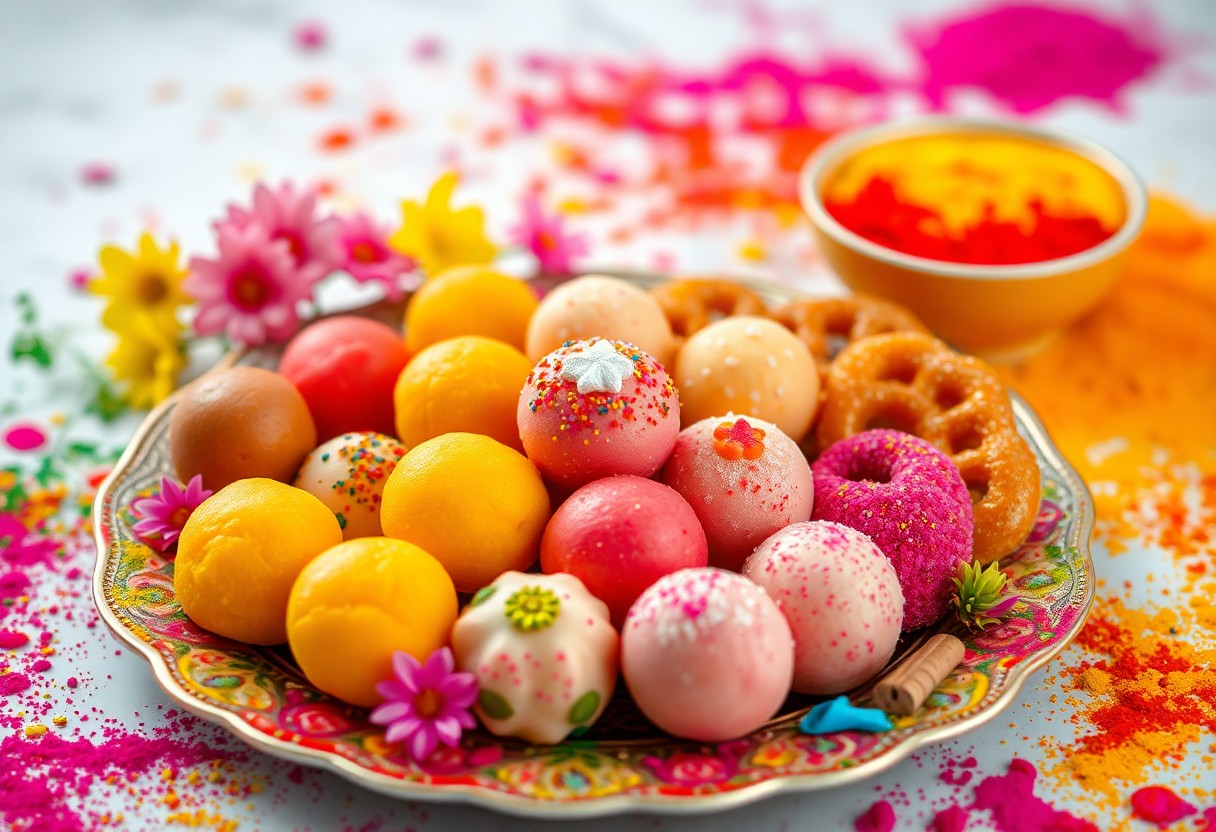
Once again, the vibrant festival of Holi is a wonderful opportunity to explore the innovative twists on traditional Indian sweets that add a touch of excitement and surprise to your celebrations. Many chefs and home bakers are taking beloved classics like gulab jamun or jalebi and infusing them with original flavors and textures that redefine your expectations. Whether it’s a pistachio-infused gulab jamun or colorful, flavored jalebi with hints of saffron or rose, these inventive creations not only honor tradition but also excite the palate with new sensations, ensuring every bite offers something fresh and delightful.
As you gather with friends and family, showcasing these innovative sweets can elevate the festive experience. You’ll find that many of these adaptations retain the essence of their traditional counterparts while accommodating evolving tastes and dietary preferences. Expect to see tantalizing combinations, such as heart-shaped pedas with chocolate and nut fillings or mango-flavored laddoos that tempt the senses and create memorable moments during this joyous occasion.
Modern Ingredients
Before exploring into innovative twists, consider the role of modern ingredients in transforming traditional sweets. The incorporation of health-conscious elements, such as almond flour or coconut sugar, can lend a nutritious edge to your favorite desserts without sacrificing flavor. You might also find the use of plant-based alternatives for ghee and dairy products in some recipes, allowing everyone, including those with dietary restrictions, to join in on the sweet festivities. These modern ingredients not only enhance the taste and texture of traditional sweets but also make them accessible to a broader audience.
Fusion Desserts
Desserts that combine elements from various culinary traditions are gaining popularity, especially during festive times like Holi. You can indulge in delightful creations such as rasgulla cheesecake or chai-spiced panna cotta, where traditional Indian flavors meet Western dessert techniques. These fusion desserts represent a perfect blend of cultures, allowing you to experience the best of both worlds in every bite.
Modern fusion desserts not only surprise you with unique flavors but also showcase the creativity of contemporary chefs. Each treat becomes a piece of art, appealing to the eye while tantalizing the taste buds. You’ll surely enjoy experimenting with different recipes or even creating your own fusion desserts, as they present an exciting opportunity to celebrate Holi in new and innovative ways.
Tips for Making the Perfect Holi Sweets
Many people look forward to indulging in the vibrant and delightful sweets during Holi celebrations. To ensure your creations are nothing short of exceptional, consider applying the following tips to enhance the flavors and textures of your sweets:
- Use fresh ingredients, especially dairy, to bring out the authentic taste.
- Pay attention to the sugar syrup consistency; it should not be too thick or thin.
- Experiment with spices such as cardamom and saffron to elevate flavor profiles.
- Allow the sweets to rest after preparation for better flavor absorption.
- Be patient and practice precision when frying or baking to achieve the right texture.
After following these tips, you will find that each batch of sweets not only reflects the joy of the festival but also showcases your culinary skills.
Essential Cooking Techniques
Around Holi, mastering a few important cooking techniques can make a significant difference in the quality of your sweets. For instance, whether you are preparing gulab jamun or barfi, getting the right dough texture is key. This often involves kneading the mixture just enough to form a smooth dough but not overworking it, which can lead to tough sweets. Additionally, understanding the temperature of your cooking oil is vital; frying at the right heat will ensure that your sweets are cooked perfectly without being greasy.
Another important technique is making the perfect sugar syrup, particularly for sweets like jalebi or kalakand. It should achieve a one-string consistency and should be flavored appropriately with cardamom or rose water for added aroma. Lastly, don’t forget to practice patience while cooling your sweets; allowing them to set properly will enhance both texture and flavor, making them irresistible when you present them to your friends and family.
Presentation Ideas
Above all, the way you present your Holi sweets can elevate their appeal and make the festival even more special. You might consider using vibrant serving platters that reflect the colorful essence of Holi, perhaps arranged in circular patterns to symbolize unity and festivity. Garnishing your sweets with edible gold or silver leaf, as well as colorful sprinkles, can add a luxurious touch that delights the eye.
But, going beyond visual aesthetics, you can also play with the arrangement of your sweets by combining various types in one display. This not only allows for diverse tasting experiences but also represents the variety of flavors and traditions present in Indian culture. Consider adding flowers or petals around the platters for a pop of color and to suggest the lively spirit of Holi. Ultimately, thoughtful presentation will make your sweets the highlight of any celebration.
Final Words
From above, you can see that the best Indian sweets for Holi celebrations are not only a feast for the eyes but also a delightful experience for your taste buds. Each sweet has its own unique flavor profile that embodies the essence of Hindu joy and celebration. You can indulge in the richness of Gulab Jamun, complemented by the sweet syrup that soaked in every bite, or thrill your palate with the vibrant colors and contrasting textures of Barfi or Peda. Don’t forget about the crispy goodness of Jalebi, which tastes even more enticing when paired with warm milk or Rabri.
As you explore the world of Indian sweets during Holi, it’s evident that the combination of ingredients such as milk, sugar, and exotic spices plays a vital role in creating brilliant flavors and textures. You have the opportunity to engage with these traditional recipes that have been passed down through generations, appreciating the artistry that goes into making each treat. So this Holi, embrace the variety of flavors and the spirit of celebration by sampling the outstanding array of sweets that truly make this festival a memorable occasion.