Gulab Jamun is not just a dessert; it’s an experience that captures the essence of Indian sweetness. When you explore the vibrant Indian culinary landscape in Canada, these delightful treats deserve a spot on your must-try list. Both Gulab Jamun and Rasgulla are not only delectable but offer a glimpse into the rich cultural heritage of India. In this post, you’ll discover why these sweet treats are beloved by many and how they can add a touch of sweetness to your dessert choices in Canada.
The Rich Cultural Heritage Behind Gulab Jamun and Rasgulla
Gulab Jamun and Rasgulla are steeped in rich cultural heritage, representing the diverse culinary traditions of India. These sweets have transcended regional boundaries, often celebrated during festivals and special occasions. Their history links back to ancient Indian practices, where sweets not only served as treats but also symbolized prosperity and joy. As you savor these delicacies, you partake in a cultural legacy that dates back centuries, embodying the spirit of togetherness and celebration.
Historical Significance of Indian Sweets
The origins of Indian sweets such as Gulab Jamun and Rasgulla can be traced back to ancient texts and royal kitchens, where they were prepared for nobility and religious ceremonies. Their historical relevance goes beyond mere flavor; these sweets played a role in social gatherings and were often used in rituals, marking significant milestones in people’s lives. Experiencing these desserts today allows you to connect with India’s vibrant history and the artistry of its culinary creators.
Regional Variations and Their Impact on Taste
Regional variations greatly influence the flavors and textures of Gulab Jamun and Rasgulla across India. Each state has its take on these popular desserts, using unique ingredients and preparation methods. For instance, in West Bengal, Rasgulla tends to be lighter and syrupy, whereas in Maharashtra, it’s common to find it paired with different flavors like saffron. Similarly, the dough composition and frying techniques for Gulab Jamun can vary, leading to differences in sweetness and indulgence. You could explore these nuances by sampling varieties from different regions, each offering a unique taste experience.
For instance, the North Indian version of Gulab Jamun often combines khoya (reduced milk), creating a richer, creamier mouthfeel, while the South Indian variant might incorporate paneer or chenna, contributing a different texture. As you explore these regional delights, you’ll discover how local ingredients, climate, and traditions have shaped their creation. Each bite carries a story, reflecting the rich tapestry of India’s culinary landscape, making your tasting experience both delicious and enlightening.
Decoding the Flavors: What Makes These Desserts Unique?
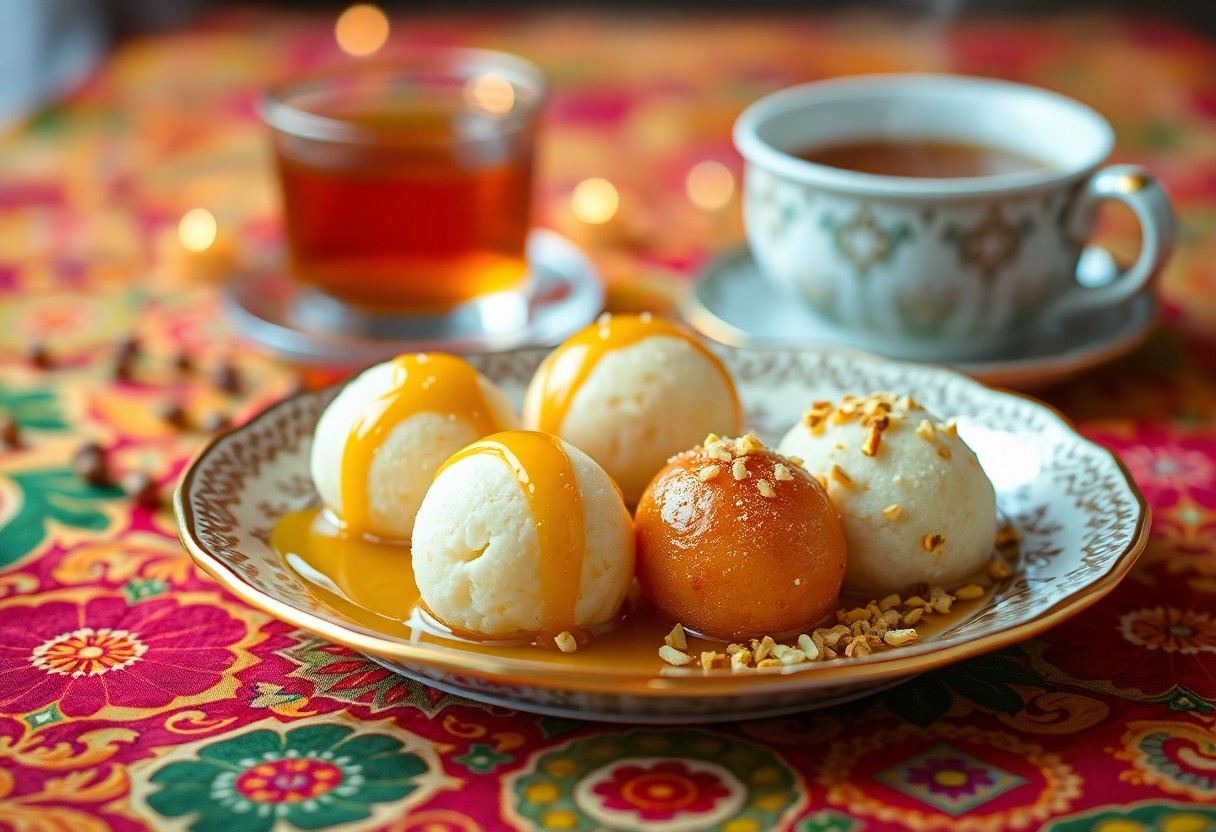
Diving into the rich tapestry of Indian sweets, both gulab jamun and rasgulla stand out for their distinct textures and flavors. Gulab jamun boasts a deep-fried exterior that gives way to a soft, syrup-soaked interior, flavored with cardamom, while rasgulla offers a spongy, delicate consistency derived from chenna, soaked in a light sugar syrup. Their unique regional variations and the cultural significance behind each dessert further enhance their character, ensuring these treats are more than just sugar-laden indulgences but celebrations of heritage and tradition.
Ingredient Profiles and Their Aromatic Qualities
The essence of gulab jamun lies in its base ingredients: khoya (dried milk), sugar, and fragrant spices like cardamom. These elements create a heavenly aroma that is both inviting and intoxicating. Conversely, rasgulla derives its delicate flavor from fresh chenna, combining with the light sweetness of sugar syrup and a hint of rose water or lemon zest. Each component contributes to a multi-layered taste experience, captivating your senses and serving as an irresistible invitation to explore Indian culinary delights.
The Art of Preparation: Traditional Methods vs. Modern Techniques
Preparing gulab jamun and rasgulla can be a study in contrasts, showcasing both traditional methods and modern shortcuts. Traditional gulab jamun requires hand-rolling the dough from khoya and frying it patiently to achieve the desired texture, followed by soaking in fragrant sugar syrup. Rasgulla-making, on the other hand, involves curdling milk, kneading it into a smooth dough, and boiling the balls in sugar syrup. While modern adaptations might introduce pre-packaged mixes or pressure cooking, authentic preparation remains an art form that honors Indian culinary traditions.
In traditional settings, the preparation methods truly shine. For gulab jamun, the khoya is often prepared the old-fashioned way by slow-cooking milk until it thickens and reduces to a concentrated form, which is labor-intensive but results in unmatched flavor. Each ball is carefully rolled by hand, ensuring a consistent shape that will soak up syrup perfectly. Rasgulla, typically made by simmering chenna in a light syrup, requires skilled hand pressure to achieve the ideal sponginess. While some modern techniques might streamline the process, they often sacrifice the authenticity and the labor of love that defines these classic desserts. Ensuring an authentic taste experience often means sticking to tried-and-true methods that have been perfected over generations.
The Perfect Pairing: How to Enjoy Gulab Jamun and Rasgulla
Experiencing gulab jamun and rasgulla together creates a delightful combination of textures and flavors that should not be overlooked. The lush richness of the syrup-soaked gulab jamun pairs beautifully with the airy, spongy texture of rasgulla. You can serve them side by side, allowing your taste buds to enjoy the contrasting sweetness of each dessert, or even incorporate them into a layered dessert for a unique fusion experience. Don’t hesitate to explore temperature variations, such as serving the rasgulla chilled and the gulab jamun warm for an intriguing contrast.
Serving Suggestions for Optimal Taste Experiences
For the best experience, serve gulab jamun warm, allowing the syrup to flow lavishly, while rasgulla shines at a cooler temperature. Plating the desserts on a bright, contrasting dish can enhance their visual appeal. Consider garnishing with finely chopped pistachios or almonds to add a nutty crunch that complements the sweetness. You might even drizzle a touch of rose water on the rasgulla for an aromatic twist that accentuates their flavor profile. Serving both desserts together invites a delightful sensory exploration that’s bound to impress your guests.
Beverage Pairings That Elevate the Dessert Experience
Transform your dessert time into a festive occasion by thoughtfully pairing your gulab jamun and rasgulla with complementary beverages. Traditional Indian beverages like masala chai or sweet lassi can enhance the flavors of these desserts. For a modern touch, consider serving them with a chilled glass of cardamom-infused iced tea or a fruity mango smoothie, which can elevate the overall dining experience and provide a refreshing contrast to the sweetness of the treats.
Chai, with its warm spices, offers an aromatic backdrop that can balance the rich sweetness of gulab jamun, while lassi, smooth and creamy, complements the lightness of rasgulla. Both beverages play into the traditional Indian dining experience, adding layers of flavor that connect well with the textures of these desserts. If you’re looking for something more adventurous, a sparkling elderflower beverage can introduce a bubbly sensation that refreshes the palate amid the dessert’s indulgence. Playing with flavors and textures will ensure an unforgettable pairing that delights your taste buds.
The Growing Popularity of Indian Sweets in Canada
In recent years, Indian sweets have gained significant traction across Canada, transcending cultural boundaries and appealing to a broader audience. With the growing Indian diaspora and increasing curiosity among non-Indian communities, traditional delicacies like Gulab Jamun and Rasgulla have found their way into mainstream dessert menus and grocery aisles. This sweet revolution not only delights your taste buds but also enriches the culinary landscape of Canada, making it an exciting time for dessert lovers of all backgrounds.
Demographic Trends and Market Expansion
As Canada becomes increasingly multicultural, the demand for diverse food options has surged, with Indian sweets leading the way. Statistics show that over 1.6 million Canadians identify as South Asian, contributing to a substantial consumer base. Urban centers like Toronto and Vancouver are witnessing a proliferation of Indian sweet shops, while local bakeries frequently experiment with fusion desserts, introducing Gulab Jamun cupcakes and Rasgulla cheesecakes. These demographic trends highlight a remarkable expansion in the market for Indian confections, making them accessible and appealing to everyone.
Cultural Festivals: Celebrating Sweet Diversity
Cultural festivals serve as vibrant platforms showcasing the richness of Indian sweets, allowing you to indulge in a delightful array of flavors. Events such as Diwali, Holi, and Eid not only foster community spirit but also encourage the sharing of traditional desserts. As you partake in these celebrations, the sweet aroma of freshly made Gulab Jamun and Rasgulla fills the air, creating an inviting atmosphere for both participants and onlookers. The growing acceptance and appreciation of Indian sweets during these festivals reflect Canada’s evolving culinary landscape.
Festivals like the Toronto International South Asian Film Festival and the Vancouver Diwali Festival feature stalls dedicated to Indian desserts, where you can taste a variety of treats. Such events serve to educate attendees about the cultural significance of these sweets, transforming sweet treats into a bridge for cultural exchange. As you enjoy these gatherings, you’re not just indulging in delectable desserts but also participating in a larger narrative that honors diversity and celebrates the traditions that enrich Canadian society. This sweet blending of cultures forms a powerful reminder of how food can unite people, transcending barriers and fostering understanding.
Navigating the Best Places for Gulab Jamun and Rasgulla in Canada
Canada’s burgeoning Indian sweet scene presents numerous spots where you can indulge in gulab jamun and rasgulla. Major cities like Toronto, Vancouver, and Calgary boast a variety of Indian restaurants and sweet shops that serve these iconic desserts. Some hidden gems may also surprise you with homemade delights. Take the time to explore local neighborhoods and ask for recommendations to discover the sweetest offerings your area has to offer.
Recommended Indian Sweets Shops and Restaurants
To satisfy your cravings, visit well-known establishments such as Sweet India or Sharma Sweet House in Toronto, both lauded for their authentic recipes. In Vancouver, check out Viji’s Indian Market, which features a delightful selection of freshly made sweets. Calgary’s Tandoor House Indian Restaurant also garners rave reviews for its gulab jamun and rasgulla, blending traditional flavors with modern presentation. The variety in these shops means you will never be short of options.
Tips for First-Time Tasters and Connoisseurs
As you launch on your sweet journey, understanding the textures and flavors can enhance your experience. For first-time tasters, enjoy gulab jamun’s spongy sweetness along with rasgulla’s light, syrupy finish. Pay attention to variations—different shops might use distinct ingredients or preparation methods, which can alter flavor profiles. If you’ve already enjoyed these delicacies, seek out artisan shops that add unique twists with creative presentations or specialty syrups. The key is to savor each bite and relish the diverse cultural essence.
- Start with smaller portions to appreciate the nuances in flavor.
- Pair these sweets with traditional Indian beverages like chai for a complete experience.
- Explore shops known for their handmade options for a more authentic taste.
- The best approach is to sample various offerings to find your personal favorites.
For those who want to dive deeper into the world of Indian sweets, consider attending a local cultural festival or food fair where vendors showcase their specialties. Engaging with store owners can also provide insights on the history and significance of these desserts, creating an enriching experience beyond just the flavors. The more you indulge, the more you’ll find your palate evolving to appreciate different styles and tastes.
- Interact with fellow sweet enthusiasts for recommendations and tips.
- Don’t hesitate to ask shop owners for advice on what to try first.
- Pay attention to the ingredients listed for any unique twists.
- The experience of tasting should be joyful, so indulge however you wish!
Final Words
On the whole, indulging in Gulab Jamun and Rasgulla offers you a delightful experience that captures the essence of Indian dessert culture. These sweet treats, with their unique textures and flavors, are must-tries that will elevate your dessert game in Canada. By exploring these traditional sweets, you not only satisfy your sweet tooth but also connect with a rich culinary heritage that celebrates the joy of indulgence. So, when you’re seeking a taste of something special, let Gulab Jamun and Rasgulla inspire your next dessert choice.