Gulab Jamun and Rasgulla are more than just desserts; they represent the rich cultural heritage of India. As a Canadian, you owe it to your taste buds to experience these delightful treats. Gulab Jamun’s soft, syrup-soaked goodness paired with the spongy, syrupy Rasgulla creates a unique combination that’s both indulgent and comforting. Each bite transports you to a world of flavors and traditions that are as vibrant as the country they hail from. Dive deeper into these desserts to discover why they’re a must-try on your culinary journey.
The Rich History of Indian Sweets
Indian sweets have a rich history that dates back thousands of years, deeply intertwined with the country’s cultural and religious practices. Sweets are often featured in festivals and significant life events, symbolizing joy and prosperity. As ancient texts and recipes tell us, the making of sweets like Gulab Jamun and Rasgulla was initially influenced by Persian and Mughal culinary traditions, ultimately evolving into distinctive regional variations across India. Today, these sweets are a testament to the artistry of Indian cooks and the vibrant tapestry of flavors that define the nation’s culinary heritage.
Cultural Significance of Desserts in India
Desserts in India are much more than mere confections; they hold immense cultural significance that transcends the act of consumption. Often, they are associated with celebrations, rituals, and new beginnings, showcasing hospitality and warmth. A wedding without a lavish display of sweets, including Gulab Jamun and Rasgulla, is unthinkable in many Indian communities. These desserts also play a role in traditional ceremonies, serving as offerings to deities, reinforcing their status as symbols of good fortune and sweetness in life.
The Evolution of Gulab Jamun and Rasgulla
The origins of Gulab Jamun can be traced back to the Persian dessert known as “Luqum,” which was brought to India by Mughal royalty. Over centuries, the recipe transitioned, utilizing khoya (reduced milk) and flavored with cardamom and rosewater. Conversely, Rasgulla emerged, particularly in Bengal, in the 19th century, where it was embraced as a light and syrupy delicacy. The introduction of chhena to Indian kitchens spurred its creation, positioning it as a beloved treat in Indian households. Both desserts have managed to adapt while retaining their essence, now representing the heart of Indian sweets in kitchens across the globe.
The Allure of Gulab Jamun: A Deep Dive
Gulab Jamun captures hearts with its rich history and soulful taste. Originating from the Indian subcontinent, this dessert is a beloved delicacy that transcends cultural boundaries. The soft, round balls, often served warm, are steeped in fragrant sugar syrup, filled with nostalgia and flavor. One bite transports you to a world of indulgence that is hard to resist. As a Canadian, experiencing Gulab Jamun reveals a new layer of culinary sophistication and tradition, making it a must-try for your palate.
Ingredients That Create Magic
The magic of Gulab Jamun lies in its simple yet transformative ingredients. Traditionally, khoya, a type of milk solids, forms the base, combined with refined flour and a hint of baking powder to create the dough. This mixture is then shaped into small balls, deep-fried to a golden brown, and submerged in aromatic sugar syrup infused with cardamom and rose water. The result is a harmonious blend that celebrates both sweetness and tradition.
Texture and Flavor Profile: What to Expect
Gulab Jamun boasts a delightful contrast of textures and flavors. Upon biting into one, you’ll encounter a soft and slightly spongy exterior that gives way to a luscious, syrup-soaked interior. The sweetness is perfectly balanced by the warm, aromatic notes of cardamom and the floral essence of rose water, creating an indulgent experience that lingers on your taste buds. Every bite offers a comforting embrace, making it a dessert that is both satisfying and soul-nurturing.
This dessert’s texture is one of its most enchanting features. As you immerse your taste buds in the experience, you’ll find a delicate balance; the outside is slightly crispy, an inviting welcome to the soft, moist core. The syrup envelops each ball, infusing it with flavor while ensuring that every morsel is an absolute delight. It’s this tender yet indulgent consistency, combined with the unpretentious sweetness, that keeps you reaching for one more piece, making Gulab Jamun a truly addictive treat.
The Irresistible Charm of Rasgulla
Rasgulla, with its perfectly round shape and delightful texture, offers an enchanting experience that captivates dessert lovers globally. Originating from the eastern state of West Bengal, this soft and spongy sweet is made from chhena (fresh cheese), simmered in a light sugar syrup. Each bite delivers a burst of sweetness, accompanied by a subtle, milky essence that leaves you craving more. Its simplicity and unique preparation methods showcase why Rasgulla has secured a cherished spot in Indian culinary tradition.
The Secrets to Perfectly Made Rasgulla
Crafting the perfect Rasgulla lies in the quality of chhena and the skill in kneading it into a silky dough. The key is to extract just enough moisture from the chhena while ensuring it remains soft. Inevitably, the syrup also plays a vital role; it should be light enough to allow the Rasgulla to absorb the sweetness without becoming overly soggy. A gentle simmer rather than a rolling boil ensures they cook evenly, achieving that desired melt-in-your-mouth consistency.
How Rasgulla Differs from Other Indian Sweets
Unlike many decadent Indian sweets that rely heavily on nuts, ghee, or elaborate flavors, Rasgulla stands out for its simplicity and lightness. While desserts like Gulab Jamun are deep-fried and soaked in thick syrup, Rasgulla is delicately boiled in syrup, resulting in a much lighter mouthfeel. This unique preparation allows Rasgulla to appeal to a broader range of tastes, proving that sometimes less truly is more when it comes to dessert indulgence.
The distinction of Rasgulla also arises from its texture and presentation. While other sweets are often dense or flaky, Rasgulla’s spongy and porous structure allows it to absorb syrup, making every bite refreshingly sweet yet light. Additionally, the absence of elaborate ingredients means you can enjoy it without the overwhelming richness found in many traditional Indian confections. This quality makes Rasgulla not just a treat, but a celebrated part of festive occasions across India, symbolizing joy and togetherness.
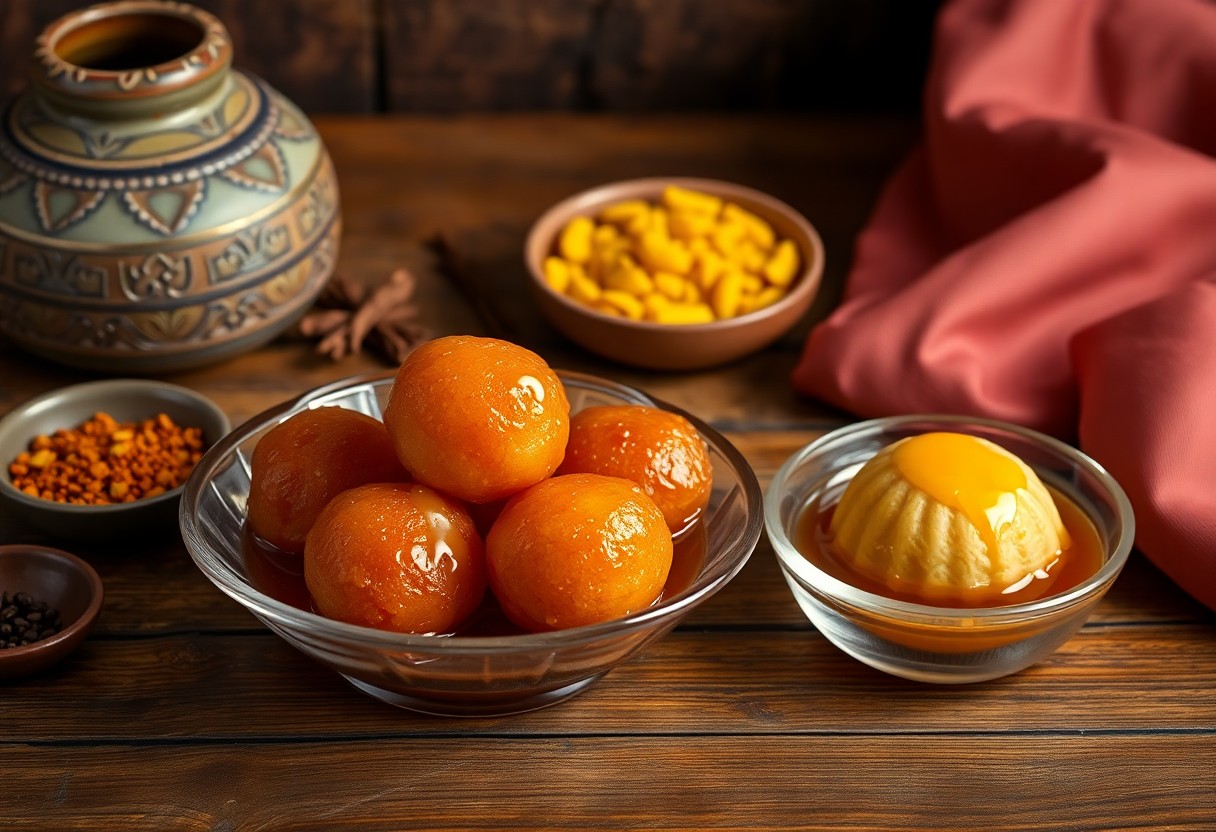
Why Canadian Palates Crave Indian Desserts
Delving into Indian desserts reveals a harmony that appeals to Canadian taste buds. You may find the delicate sweetness and intriguing textures of these confections refreshing and satisfying. The rich tradition behind each dessert offers not just flavor but also a story, adding to your culinary experience. As you explore options like Gulab Jamun and Rasgulla, you’ll discover how their unique profiles resonate with your preferences for indulgence and novelty.
The Synergy of Flavors: Sweetness Meets Spice
Indian desserts masterfully combine sweetness with hints of aromatic spices, creating a symphony of taste. Your palate dances between the syrupy, comforting essence of Gulab Jamun and the subtle tartness of Rasgulla. This intricate balance introduces an unexpected yet pleasing zest, making each bite a delightful adventure. The multifaceted nature of these flavors invites you to return for more, adding depth to your dessert experience.
The Growing Popularity of Indian Cuisine in Canada
The enthusiasm for Indian cuisine in Canada has surged, with Indian restaurants increasing by 30% over the last five years. You can witness this trend in bustling cities like Toronto and Vancouver, where Indian buffets and specialty stores have become integral to the dining landscape. This growing appreciation extends beyond traditional meals to include desserts, encouraging many to indulge in delectable sweets that hold the essence of Indian culture.
Restaurants and food festivals often showcase Indian sweets as a fundamental part of the culinary exploration. You may find special dessert pop-ups or themed events dedicated entirely to these remarkable confections. Social media platforms are flooded with vibrant photographs and positive reviews of Gulab Jamun and Rasgulla, further attracting dessert lovers who are eager to try authentic Indian sweets. This expanding recognition not only elevates your dining options but also allows you to connect with the diverse flavors that define Indian desserts, making them a staple in your culinary adventures.
Where to Enjoy Authentic Gulab Jamun and Rasgulla in Canada
Your search for authentic Gulab Jamun and Rasgulla in Canada will lead you to a number of delightful spots, especially in metropolitan areas with diverse culinary options. Cities like Toronto, Vancouver, and Calgary boast numerous Indian restaurants and sweet shops, each offering their own unique twist on these beloved desserts. Look for eateries with glowing reviews and a menu that highlights traditional recipes. To truly savor these desserts, try visiting during festivals or special events when they are often prepared fresh.
Must-Try Restaurants and Bakeries
You’ll want to check out local gems like ‘Moti Mahal’ in Toronto or ‘Khandani Pakwan’ in Vancouver for their stellar reputation in Indian sweets. Additionally, ‘Sweet India’ in Calgary offers freshly made Rasgulla that’s bursting with flavor. These establishments pride themselves on using high-quality ingredients and authentic methods, ensuring each bite is memorable. You cannot go wrong with asking for their signature desserts during your visit.
Tips for Finding Quality Indian Desserts
Uncovering the best Indian desserts means knowing where to look. Start by seeking out places that specialize in South Asian cuisine, as they often have in-house recipes passed down through generations. Checking online reviews for mentions of Gulab Jamun and Rasgulla can also guide you. Pay attention to bakeries that appear bustling with customers – if the locals are flocking there, you can trust that the sweets are worth trying. Assume that quality ingredients lead to superior taste.
- Look for restaurants that make their desserts fresh daily.
- Ask about the ingredients; authentic Gulab Jamun is made with khoya (reduced milk).
- Seek out those establishments who have been in business for several years.
- Trust establishments that use traditional cooking methods.
- Assume that lively establishments with a steady stream of customers will have fresher offerings.
Quality Indian desserts can often be identified by their texture and presentation. When you observe that the Gulab Jamun is golden brown and has a hint of softness, it usually indicates expert preparation. The syrup should be fragrant and not overly sweet. For Rasgulla, look for spongy, well-soaked balls that maintain their shape but yield slightly to pressure. Asking for customer recommendations can also point you towards hidden treasures in your area. Assume that local feedback is invaluable in your quest for the best Indian sweets.
- Engage with friends or online communities asking for their favorite spots.
- Explore food blogs that focus on Indian cuisine for expert recommendations.
- Attend local Indian festivals where authentic sweets are featured.
- Trust word of mouth from those familiar with the cuisine.
- Assume that your exploration will lead you to delightful surprises along the way.
Conclusion
To wrap up, experiencing Indian desserts like Gulab Jamun and Rasgulla is not just about satisfying your sweet tooth; it’s an opportunity to explore a rich culture through its flavors. You owe it to yourself to indulge in these delicious treats, as they offer a delightful balance of sweetness and texture. By trying these desserts, you’ll not only expand your palate but also gain a deeper appreciation for the diverse culinary traditions that exist around the world. Your taste buds will thank you for the adventure!