Over the years, traditional Indian sweets have become beloved treats that you can enjoy regardless of the season. From the rich flavors of gulab jamun to the nutty goodness of kaju katli, these confections embody the essence of Indian sweets. As you explore various options, you’ll find that each sweet carries its unique story and cultural significance. This guide will help you discover your favorites, allowing you to indulge in these culinary delights any time of the year.
The Allure of Indian Sweets: A Cultural Perspective
Indian sweets are not just culinary delights; they embody rich heritage and meaning. Tied to the nation’s diverse cultural tapestry, each sweet has a unique story and significance, often reflecting regional flavors and customs. You may find that their preparation and sharing foster connections among families and communities, making these treats an integral part of everyday life and celebrations alike.
Historical Significance of Sweets in Indian Traditions
Sweets have a deep-rooted history in India, dating back thousands of years to ancient texts like the Natyashastra, which mentions offerings of sweets in rituals. Over time, these delectable creations evolved, influenced by various dynasties and regions. Ingredients like sugar, jaggery, and milk became staples, shaping the distinct flavors you enjoy today. Their historical significance is evident in their presence at royal feasts and traditional festivities.
Celebrations and Rituals: The Role of Sweets in Indian Heritage
Sweets hold a pivotal role in Indian celebrations and rituals, marking life’s significant moments. Whether it’s a wedding, a festival, or a birth, you’ll find sweets adorning tables and serving as offerings in ceremonies. They symbolize joy, prosperity, and the sweetening of relationships, making them indispensable in your celebrations.
Consider Diwali, where the exchange of sweets signifies goodwill and friendship, or Ganesh Chaturthi, celebrated with modaks to honor Lord Ganesha. During weddings, the tradition of gifting sweets to guests signifies the couple’s hopes for a sweet life together. Regional variations, such as Bengali rasgullas or Gujarati pedhas, further showcase the diversity in sweet-making, ensuring that each celebration retains its unique flavor and emotional resonance. These sweets enhance the festive spirit, inviting you to partake in cherished customs while celebrating togetherness and goodwill.
Delectable Treats to Enjoy Year-Round
There’s no shortage of traditional Indian sweets that can brighten any day. From festivals to everyday indulgences, these treats have a special place in your culinary experiences. Whether you’re celebrating or simply craving something sweet, options like Gulab Jamun, Barfi, and Jalebi offer unique flavors and textures that make them irresistible all year round.
Gulab Jamun: The Soft, Syrupy Delight
Gulab Jamun, crafted from khoya (reduced milk), is deep-fried and soaked in fragrant sugar syrup, embodying a perfect marriage of sweetness and softness. The moment you bite into one, the syrup oozes out, flooding your senses with its rich, cardamom-infused flavor. This treat is a classic in Indian cuisine, often gracing special occasions and family gatherings.
Barfi: A Nutty, Flavorful Indulgence
Barfi, a quintvital dessert, comes in various flavors, often enriched with nuts and aromatic spices. Its creamy texture combined with the crunch of almonds or pistachios makes it a delightful treat. You can enjoy traditional variants like Kaju Barfi, made with cashew nuts, or Coconut Barfi, which presents a tropical twist on this beloved sweet.
Barfi can be a versatile treat, with an array of flavors to suit every palate, from chocolate to mango. Whether you opt for the rich Kaju Barfi or the uniquely flavored Pista Barfi, the nutty undertones paired with sweetness will surely tantalize your taste buds. Often wrapped in decorative paper, these sweets also serve as perfect gifts, symbolizing joy and celebration in various cultures.
Jalebi: The Twisted, Crispy Wonder
Jalebi stands out with its vivid orange hue and spiral shape, offering a delightful crunch followed by the sweet, sticky syrup that clings to every bite. Made by deep-frying fermented batter and then soaking it in sugar syrup, this treat is crispy on the outside and tender within, making it a favorite among many.
Jalebi’s unique preparation process involves creating intricate patterns, resulting in an eye-catching dessert that appeals to both the palate and the eyes. Often enjoyed warm, it pairs wonderfully with yogurt or serves as a sweet counterpart to savory dishes. While traditionally a festival favorite, its allure ensures it graces tables during everyday meals, promising a burst of flavor whenever you indulge.
Crafting Your Own Indian Sweet Delicacies
Creating Indian sweets at home allows you to connect with the rich culinary traditions of India. Each recipe is an opportunity to learn about the ingredients and techniques that define these treats. From the creamy texture of gulab jamun to the flaky layers of baklava, you’ll discover that with practice, your kitchen can become a hub of delicious Indian desserts suitable for any occasion.
Essential Ingredients and Tools for Beginners
Your journey into making Indian sweets starts with gathering necessary ingredients like milk, sugar, and various flours, as well as spices such as cardamom and saffron. Tools such as heavy-bottomed pans, a rolling pin, and measuring cups are necessary for precise cooking. Familiarizing yourself with these elements will set a strong foundation for your sweet-making endeavors.
Step-by-Step Guide to Making Popular Sweets
Creating your favorite Indian sweets involves following precise steps to ensure the right texture and flavor. Begin with the basics like making kheer or laddus, which require simple ingredients and techniques. Each recipe will typically outline the method of preparation, cooking time, and tips for achieving the perfect end result, making it easier for you to replicate these delights in your kitchen.
Step-by-Step Guide to Making Popular Sweets
| 1. Kheer | Boil rice in milk; add sugar and cardamom. Serve chilled. |
| 2. Laddus | Mix roasted flour with ghee, sugar, and nuts; shape into balls. |
| 3. Gulab Jamun | Prepare dough, shape into balls, fry, then soak in sugar syrup. |
| 4. Barfi | Cook condensed milk with grated coconut or khoya; cut into pieces. |
Each type of sweet has a unique preparation method, often outlined in family recipes passed down over generations. For example, kheer requires precise timing while simmering to achieve a thick consistency, whereas gulab jamun demands the right balance between frying and soaking in syrup. These details not only enhance flavor but also add to the visual appeal, helping you master the art of Indian sweets with every batch.
Detailed Procedures
| Kheer Preparation | Use a heavy pot and simmer rice in whole milk; stir continuously. |
| Laddus Mixing | Ensure flour is well-roasted for a nutty flavor; add ghee slowly. |
| Gulab Jamun Consistency | The dough should be soft but firm; this affects frying. |
| Barfi Cooling | Let it cool completely before slicing to set properly. |
Pairing Indian Sweets with Other Culinary Delights
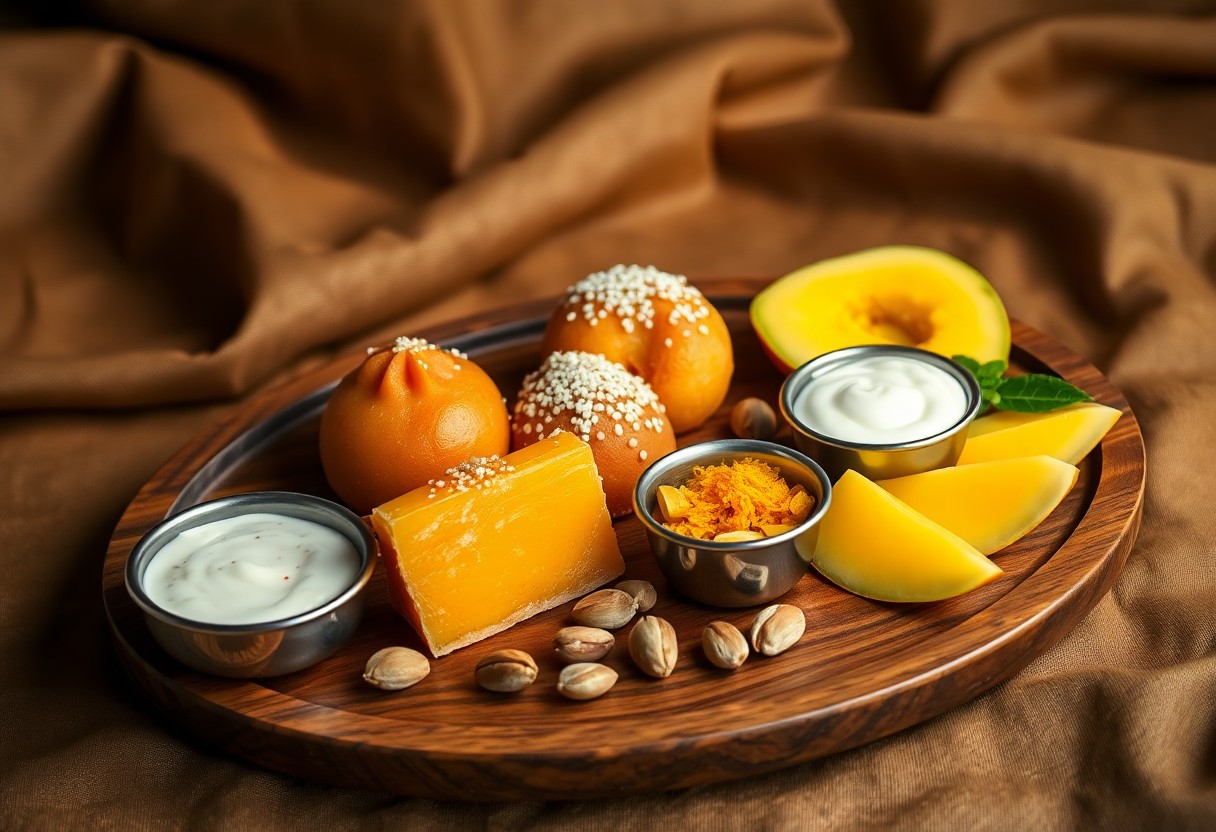
Complementing traditional Indian sweets with other dishes elevates your culinary experience. Whether enjoyed as a dessert or a snack, these pairings enhance flavors and provide a delightful mix of textures. Consider serving sweets with savory snacks like samosas or pakoras for a balanced palate, or enjoy them alongside fresh fruits and yogurt for a refreshing contrast that highlights the sweetness and richness of the desserts.
Traditional Indian Teas and Sweets: A Perfect Match
Pairing Indian sweets with traditional teas, such as masala chai or filter coffee, creates an exquisite tasting experience. The spices in masala chai—ginger, cardamom, and cloves—complement the richness of desserts like gulab jamun or jalebi. Alternatively, the robust flavor of filter coffee pairs beautifully with lighter sweets like besan ladoos, enhancing the overall balance of flavors in your tea time.
Creative Fusion Ideas: Western Desserts Meet Indian Flavors
Fusion desserts blend Western techniques with Indian ingredients for an exciting twist. Combine classic elements like tiramisu with flavors such as cardamom and saffron, creating a unique twist on a beloved dessert. Another idea includes merging chocolate mousse with rasgulla, resulting in a creamy, textured delight that showcases the best of both culinary worlds.
For example, consider the popular fusion of rich chocolate cake infused with flavors of kulfi, topped with pistachio crumbs. This not only satisfies chocolate cravings but also introduces the aromatic, creamy essence of traditional Indian desserts. Likewise, cheesecake swirled with mango puree reflects the tropical sweetness of Indian mithai and offers a refreshing take on classic cheesecake. These innovative combinations invite you to enjoy the familiar while exploring new taste realms, making each bite an adventure in flavor.
Satisfying the Sweet Tooth: Health and Nutrition Considerations
Savoring your favorite Indian sweets doesn’t mean sacrificing your health. By making informed choices, you can enjoy these treats all year round while keeping an eye on your dietary needs. Balancing indulgence with nutrition is key, allowing you to satisfy your cravings without feeling guilty. Take advantage of the rich flavors and cultural significance of sweets while incorporating healthier options into your diet.
Nutritional Benefits of Common Ingredients
Many traditional Indian sweets are made from wholesome ingredients, offering various nutritional benefits. For instance, nuts like almonds and cashews provide healthy fats and protein, while natural sweeteners such as jaggery contain vitamins and minerals. Lentils and grains used in sweets contribute fiber and complex carbohydrates, helping to maintain energy levels and support digestive health. By choosing sweets that highlight these ingredients, you treat your palate while nourishing your body.
Moderation and Variation: Enjoying Sweets Responsibly
Indulging in sweets can be a delightful experience when done in moderation. Opt for smaller portions or share with others to satisfy your sweet tooth without overindulging. Mixing different types of sweets can also help diversify flavors and textures, keeping your experience fresh. Consider incorporating healthier alternatives, like using less sugar or opting for fruit-based desserts, to balance indulgence with nutritional needs.
Exploring moderation and variation allows you to enjoy Indian sweets without compromising your health goals. For example, when craving a rich dessert like ladoo, try enjoying a smaller portion alongside a fruit salad or a cup of yogurt, which adds fiber and protein to your meal. Additionally, swapping heavy cream or white sugar for lighter options—such as coconut milk or honey—can elevate your treats while maintaining their traditional charm. This approach not only keeps your diet balanced but also enhances the overall dessert experience, making it something you can look forward to regularly.
To wrap up
Hence, exploring traditional Indian sweets offers you a delightful journey through diverse flavors and textures that can be enjoyed year-round. From rich, syrup-soaked Gulab Jamun to the creamy indulgence of Rasgulla, these sweets add joy to any occasion. By incorporating these delicacies into your celebrations or even daily treats, you can savor the essence of Indian culture and satisfy your sweet tooth simultaneously. Make these timeless treats a part of your culinary repertoire, and relish the authentic tastes that have been cherished for generations.