Delights await you in the rich and diverse world of Punjabi sweets, where each treat tells a story steeped in tradition and flavor. In this comprehensive guide, you’ll explore must-try delicacies that make every occasion special, from birthdays to festivals. You’ll discover the ingredients, preparation methods, and cultural significance behind these mouthwatering desserts, ensuring you have the knowledge to impress your friends and family. Get ready to indulge in the sweetness of Punjabi cuisine and elevate your dessert game!
A Sweet Symphony: The Diversity of Punjabi Sweets
Punjabi sweets present a delightful symphony of flavors, textures, and cultural significance. From the richness of milk-based treats to the aromatic allure of sugar and spices, each sweet offers a unique taste experience. The use of regional ingredients, innovative culinary techniques, and age-old traditions meld together to create an enticing menu that caters to every palate. Whether it’s the creamy allure of kheer or the indulgent sweetness of gulab jamun, Punjabi sweets embody the vibrancy of the region, making them an imperative part of celebrations and everyday life.
Regional Specialties: A Tour Through Punjab
Punjab boasts an array of regional specialties that celebrate local ingredients and traditions. From the iconic Amritsari suji halwa to the unique patisa of the Doaba region, each sweet reflects the agricultural bounty and cultural heritage of its area. These specialties not only delight the taste buds but also connect you to the heart of Punjab’s vibrant culinary scene.
Seasonal Delights: Sweets for Every Festivity
Seasonal sweets play a pivotal role in Punjabi festivals, each crafted to celebrate specific occasions. For instance, during Diwali, you indulge in the mouthwatering besan ladoos and crispy jalebis, while Lohri brings out the jaggery-infused gajak and rewri. Each festival inspires a unique offering that combines tradition with seasonal ingredients, making celebrations richer with every bite.
During festive seasons, the variety of Punjabi sweets expands, reflecting the unique flavors and traditions tied to each celebration. In Baisakhi, for example, you can savor the sweet kheer made with fresh rice and sugar, while the festival of Holi calls for vibrant, colorful treats like gujiya filled with sweetened khoya. These seasonal specialties not only satisfy your sweet tooth but also embody the joyous spirit of the festivities, ensuring that every celebration is marked by a sense of togetherness and indulgence.
The Art of Crafting Punjabi Sweets: Ingredients and Techniques
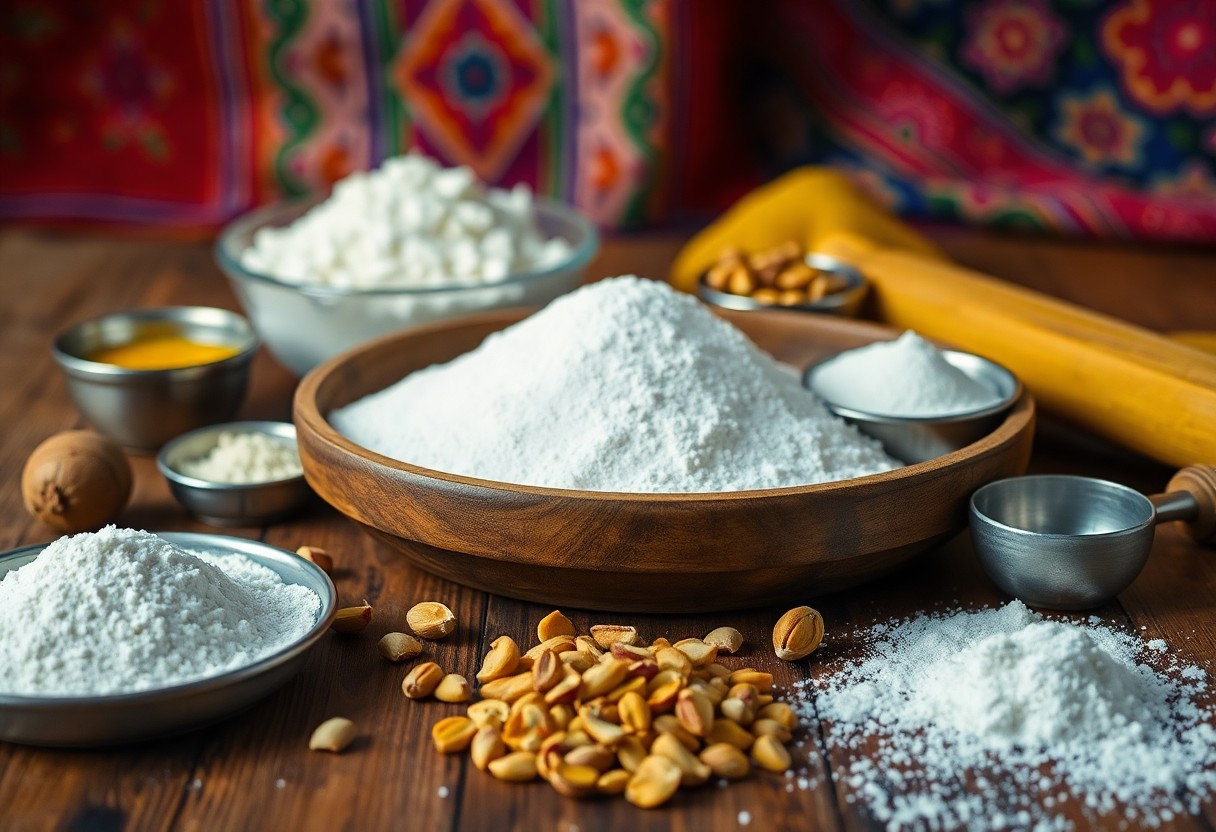
Creating authentic Punjabi sweets involves a careful selection of ingredients and traditional techniques. You will find that the right balance of flavors and textures is important in crafting delectable delights that celebrate Punjabi culture and heritage. Mastery of these sweets lies in understanding how each component contributes to the final product, ensuring that each bite offers an authentic taste experience.
Essential Components for Authentic Flavors
Key ingredients such as khoya, sugar, cardamom, and ghee serve as the foundation for authentic Punjabi sweets. Khoya, a concentrated milk product, adds richness and depth, while sugar provides the necessary sweetness. Fragrant cardamom and pure ghee enhance flavor, creating a delightful aroma that is synonymous with these treats. Each ingredient plays a vital role in ensuring your sweets are not only delicious but also true to their Punjabi roots.
Traditional Methods vs. Modern Adaptations
Traditional techniques for making Punjabi sweets often include slow cooking and hand-kneading, ensuring optimal flavor and texture. However, modern adaptations have introduced shortcuts and convenience through the use of readily available ingredients and technology. While these adaptations can save time, they may compromise the authenticity of flavors. Understanding the nuances of both methods enables you to appreciate the evolution of Punjabi sweets while also experimenting in your own kitchen.
Crafting sweets through traditional methods, such as simmering milk to make khoya or laboriously shaping each piece by hand, yields flavors that reflect generations of culinary wisdom. In contrast, modern adaptations use quicker preparations or pre-made ingredients, which can sometimes dilute the essence of the traditional recipes. Innovations like instant mixes offer convenience, but true aficionados often find that these alternatives lack the depth and character of sweets made with time-honored techniques. Balancing these methods allows you to explore a range of flavors while honoring the roots of Punjabi confectionery.
Signature Sweets That Define Punjabi Culture
Punjabi culture boasts an array of signature sweets that capture the essence of celebrations and festivities. Each sweet, from rich and decadent to light and flavorful, represents not just a treat, but a cherished tradition that binds families and communities together. Whether you’re hosting a festival or enjoying a family gathering, these sweets are a delightful way to mark the occasion.
The Richness of Gulab Jamun: A Staple Delight
Gulab Jamun is an iconic sweet that speaks volumes of Punjabi hospitality. These soft, deep-fried milk solids soaked in aromatic sugar syrup offer a melt-in-your-mouth experience that is hard to resist. Traditionally served warm, the fragrant blend of cardamom and rose water elevates this dessert, making it a staple for weddings, festivals, and family functions.
Barfi and Ladoo: A Celebration of Texture and Taste
Barfi and Ladoo symbolize the rich textures and multifaceted flavors of Punjabi sweets. Barfi, often made from condensed milk, sugar, and various flavorings like coconut or pistachio, offers a smooth, creamy texture. On the other hand, Ladoo, typically made from gram flour or semolina, packs a wholesome, slightly grainy composition. Both sweets are not only delicious but also represent the array of taste preferences loved by Punjabis.
Barfi and Ladoo come in an impressive variety, appealing to all palates. The soft, melt-in-your-mouth feel of Kaju Barfi, made with cashews, contrasts beautifully with the nutty crunch of Besan Ladoo, made from roasted chickpea flour. These sweets are often prepared during festivals like Diwali or Holi, showcasing the creativity that Punjabis bring to their culinary traditions. Each bite offers a unique taste experience, ensuring there’s something for everyone to enjoy, making them indispensable at any celebratory event.
From Home Kitchens to Celebrations: When and How to Enjoy Punjabi Sweets
Punjabi sweets are a staple at every gathering, whether it’s a festive celebration, a family function, or an everyday treat. You can savor these delights during traditional holidays like Diwali and Baisakhi, or simply enjoy them as after-meal indulgences. Home kitchens often whip up these confections, passing down recipes through generations, ensuring you experience authentic flavors and textures. The key is to pair them with the right occasions, making each bite a memorable celebration of tradition.
Cultural Significance in Festivities and Rituals
Punjabi sweets are woven into the fabric of cultural celebrations, symbolizing joy, prosperity, and togetherness. During weddings, for example, the sweet “ladoo” is shared among family members as a sign of good fortune. Festivals like Lohri and Makar Sankranti would feel incomplete without “revdi” or “gud,” enhancing communal bonding. Each sweet serves as a reminder of the rich heritage that you embrace during these festivities.
Best Pairings and Presentation Tips for Every Occasion
Pairing Punjabi sweets with complementary flavors can elevate your dessert experience. For instance, serve “barfi” alongside a rich milk-based drink like “lassi” or arrange “jalebi” with a hint of saffron-infused yogurt. Presentation matters, too; opt for decorative plates or traditional clay pots to enhance the visual appeal. Simple touches like fresh flower garnishes can transform your serving into an eye-catching centerpiece. This can create an inviting atmosphere that celebrates not just the sweets, but the entire culinary tradition.
- Add hints of color through edible decorations for a festive vibe.
- Mix and match textures like crunchy and soft for variety.
- Showcase regional favorites for a more personalized touch.
- This will impress your guests and make your gatherings memorable.
Taking time to thoughtfully pair and present your Punjabi sweets can significantly enhance your dining experience. Consider incorporating vibrant elements like mint leaves, citrus zest, or sprinkles to elevate your dishes visually. Serving your sweets on tiered stands can create height and elegance, while small decorative bowls filled with assorted treats provide a buffet style that encourages sharing. This approach invites everyone to interact with the sweets, making your event more engaging and festive.
- Utilize seasonal fruits to add freshness and brightness to the dessert table.
- Use regional fabrics like phulkari as table runners for authenticity.
- Create a themed setting based on the occasion for a cohesive look.
- This ensures your celebration feels both personal and festive.
Healthier Alternatives: Innovating in Punjabi Sweets
As health consciousness rises, traditional Punjabi sweets are being innovated with healthier alternatives, ensuring you can indulge without the guilt. By substituting ingredients and reimagining classic recipes, you can enjoy these delicious delights while being mindful of your well-being.
Reducing Sugar without Compromising Flavor
Opting for natural sweeteners like dates or stevia allows you to cut down sugar while keeping the rich flavors intact. You can experience the delightful taste of traditional sweets by using fruit purees or honey, ensuring that each bite is still as satisfying as the original.
Incorporating Superfoods into Classic Recipes
Enhancing your sweets with superfoods can elevate their nutritional profile significantly. Ingredients like chia seeds, quinoa, and almonds not only add health benefits but also introduce unique textures and flavors that create exciting twists on traditional Punjabi treats.
For example, you might consider adding ground almonds or chia seeds to your besan laddus, increasing the fiber and protein content, or even using quinoa flour in your burfis for added nutritional value. These ingredients not only provide crucial nutrients but also enhance the flavor and texture, making your favorite sweets a wholesome indulgence. Incorporating such superfoods transforms your classic recipes into contemporary treats that are both delicious and nourishing, allowing you to indulge your sweet tooth without sacrificing health.
To wrap up
The extensive Punjabi sweets menu offers a delightful selection that caters to every occasion, ensuring you can find the perfect treat to satisfy your sweet cravings. From the rich, gooey textures of Gulab Jamun to the crispy delight of Jalebi, each sweet is a reflection of Punjabi culture and hospitality. As you explore these must-try delights, your culinary journey will be enriched, making every celebration that much sweeter. Embrace these flavors to create memorable moments for you and your loved ones.