With an increasing appreciation for diverse cuisines, you’ll discover how Canadian Indian bakeries elegantly blend traditional recipes with local flavors. Each bite reflects a rich cultural heritage, showcasing the artistry of skilled bakers who combine time-honored techniques with innovative twists. You’ll find mouthwatering delicacies that not only tell a story but also invite you to experience the vibrant tapestry of Canadian and Indian cultures. Delve into this flavorful fusion and explore how these bakeries create a unique culinary experience that resonates with your taste buds.
Historical Roots of Canadian Indian Bakeries
The foundation of Canadian Indian bakeries is deeply rooted in a blend of regional and cultural influences that have evolved over generations. You can trace these origins back to the arrival of Indian immigrants in Canada, who brought their culinary practices and recipes, merging them with local ingredients and traditions. This fusion has birthed unique baked goods that tell the story of a cross-cultural experience, creating a vibrant tapestry of flavors that resonate with both heritage and contemporary tastes.
The Influence of Indigenous Culinary Traditions
Indigenous culinary traditions play a significant role in Canadian Indian bakeries, weaving together local ingredients with Indian recipes. You’ll find elements such as cornmeal and seasonal fruits integrated into traditional Indian sweets like barfi and halwa, creating products that honor Indigenous practices while celebrating Indian heritage. This collaboration fosters a respect for the land and its resources, resulting in delectable and culturally rich baked goods.
The Impact of Immigration and Cultural Exchange
The arrival of Indian immigrants has greatly influenced the landscape of Canadian Indian bakeries. You see this in the vibrant array of flavors and textures that emerge as Indian and Canadian culinary traditions coalesce. This cultural exchange has led to the adaptability of traditional recipes, incorporating locally available ingredients and enticing Canadian consumers to explore a diverse menu, which includes everything from naan to butter tarts infused with chai spices.
The cultural exchange initiated by immigration has forged a unique baking identity in Canada. As Indian communities settled, they opened bakeries that featured not only traditional Indian breads and sweets but also incorporated Canadian flavors. This innovation is evident in fusion items like samosa poutine or paneer pastries, marrying the familiar with the exotic. With recent statistics indicating over 1.6 million people of Indian descent in Canada, these bakeries serve not just as eateries but also as community hubs that celebrate diversity and nurture cross-cultural interactions, further enriching the culinary landscape.
Signature Baked Goods and Their Cultural Significance
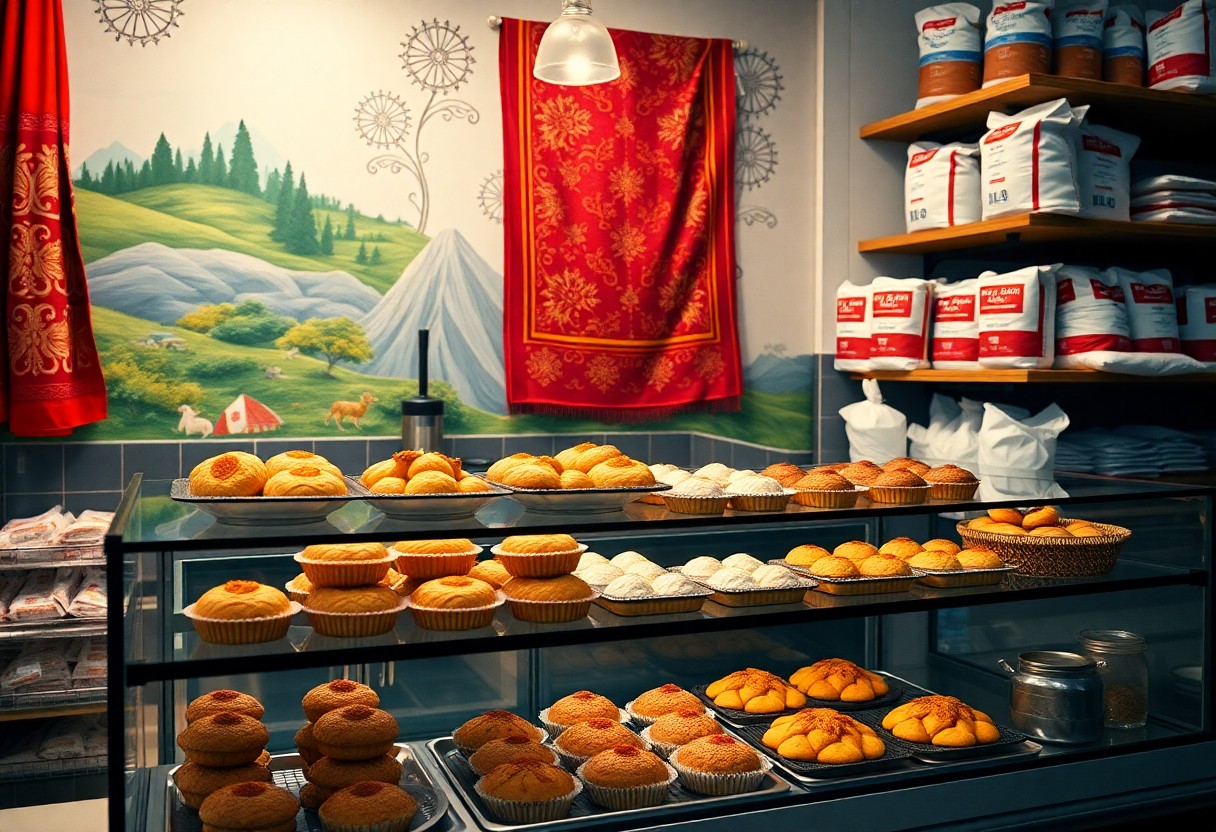
Every bite of a pastry from a Canadian Indian bakery tells a story, reflecting centuries of tradition and the melding of cultures. Signature baked goods like samosas, naan, and sweet barfi evoke memories of heritage celebrations and communal gatherings. These delicacies not only satisfy hunger but also serve as a connection to home for many, making them integral to cultural identity and festive occasions.
Traditional Recipes Passed Down Through Generations
Traditional recipes form the backbone of these bakeries, often handed down through family lineage. You may find that techniques for crafting the perfect roti or the ideal filling for a samosa have been preserved meticulously, with each generation adding their own subtle nuances. This respect for ancestry transforms these baked goods into more than just food-they become vessels of cultural legacy.
Modern Twists on Classic Favorites
Bakeries today are also embracing innovation by infusing contemporary flavors into timeless favorites. Imagine a spicy mango chutney samosa or gluten-free naan made with chickpea flour, appealing not only to traditionalists but also to health-conscious consumers. This melding of old and new helps you savor beloved tastes while exploring exciting culinary horizons.
Modern twists on classic favorites can redefine your bakery experience, showcasing the flexibility of traditional recipes. For example, a popular adaptation is the fusion of Indian spices into Western pastries, like cardamom-infused croissants or chai-flavored cupcakes, allowing both cultures to celebrate their uniqueness in delightful new forms. This creative approach has attracted a diverse clientele, ensuring that these bakeries cater to a wide range of tastes while still honoring their roots.
The Role of Community in Indian Bakeries
Your local Indian bakery serves more than just pastries; it acts as a vital hub for the community, fostering connections and collaborations among individuals from various backgrounds. These bakeries often reflect the vibrant multicultural tapestry of Canada, creating an inviting space where people gather to share stories, traditions, and, of course, their love for food. Community events and collaborations contribute to the growth of cultural ties, highlighting the integral part these bakeries play in daily life.
Gathering Spaces for Cultural Identity
Indian bakeries are cherished gathering spots that strengthen community bonds, where individuals come together to celebrate shared heritage. As you step into the bakery, the aroma of freshly baked goods ushers you into a world where cultural narratives intertwine, allowing for the preservation and celebration of identity through communal experiences.
Celebrating Festivals and Special Occasions
During festivals and special occasions, Indian bakeries transform into vibrant centers of celebration, offering an array of traditional treats that embody cultural significance. You’ll find that items like sweets, festive breads, and special cakes take center stage, drawing in customers eager to embrace their cultural roots and share these delights with loved ones.
The Art of Baking: Techniques and Ingredients
Mastering the art of baking in a Canadian Indian bakery involves not only specific methods but also a deep connection to heritage. Each baked good reflects a story, influenced by traditional practices and modern adaptations. You’ll find that every creation balances texture and flavor, with bakers employing both time-honored techniques and innovative twists to satisfy diverse palates.
Key Ingredients in Indian Baking
Concerning baking, the ingredients you choose are paramount. Staple items like whole wheat flour (atta), ghee, jaggery, and an array of spices such as cardamom and nutmeg infuse depth and character into each recipe. These ingredients not only bring authenticity but also elevate the sensory experience of baked goods, making them unique to Indian culture.
Traditional Techniques and Innovations
Traditional techniques, such as using tandoors for specific breads, coalesce with innovative methods to create a diverse array of baked items. Bakers often blend conventional practices with modern equipment, allowing them to infuse new flavors while maintaining cultural integrity. For instance, the combination of hand-rolled dough and electric ovens achieves a perfect balance of texture and efficiency.
Embracing both old and new methods fosters creativity in the kitchen. You might witness the use of sourdough in naan, bridging contemporary baking trends with age-old traditions. Similarly, experimenting with gluten-free ingredients or plant-based alternatives stirs innovation without losing the essence of Indian flavors. Such flexibility not only caters to evolving dietary needs but also pays homage to a rich culinary evolution that adapts while cherishing its roots.
Challenges Faced by Indian Bakeries in Canada
Many Indian bakeries in Canada navigate a landscape filled with unique challenges, from economic pressures to the necessity of modernizing recipes while preserving traditional flavors. These bakeries must innovate to attract a diverse clientele while maintaining their cultural authenticity, which can sometimes hinder their growth and market presence.
Economic Factors and Market Competition
Indian bakeries contend with fluctuating ingredient costs and rising operational expenses, which complicate pricing strategies. Compounded by fierce competition from mainstream bakeries and supermarket chains, many establishments struggle to sustain profitability.
- High rents in urban areas impact overall viability.
- Competition from other culinary options diversifies customer preferences.
- Economic downturns diminish disposable income for luxury bakery goods.
- Customer loyalty can prove difficult amid changing tastes.
- Any innovation carries financial risk without guaranteed return.
Preserving Tradition Amidst Modernization
Balancing traditional recipes with contemporary tastes is a delicate dance for Indian bakeries. Bakers are tasked with experimenting while ensuring the authenticity of their cultural heritage remains intact.
For instance, while adapting to the Canadian palate, some bakeries have introduced fusion items like chai-flavored cupcakes or samosas with alternative fillings. However, the core offerings-such as traditional naan or buttery parathas-remain unchanged to honor the bakery’s roots. Maintaining this balance necessitates skill, as you aim to satisfy both traditionalists and new-age diners, often leading to creative product expansions that entice customers without losing signature tastes. The challenge lies not only in product development but also in how you communicate these offerings to your audience, ensuring they appreciate both the innovation and the cultural depth behind every treat.
Future Trends in Indian Baking
As the culinary landscape evolves, Canadian Indian bakeries are embracing new trends that reflect a fusion of tradition and innovation.
Fusion Flavors and Global Influence
Incorporating global ingredients and techniques, you’ll find unique combinations like saffron-infused macarons or chai-spiced cupcakes, showcasing the potential of merging diverse culinary backgrounds.
Growing Demand for Authentic Indian Delicacies
Consumers increasingly seek authentic Indian baked goods, driving bakeries to prioritize traditional recipes and regional specialties, such as the flaky layers of baklava or the comforting warmth of cardamom buns.
With a notable rise in interest, bakeries report an uptick in sales of classic items like naan and paneer pies, attracting both Indian expats and adventurous food lovers. Statistics reveal that 65% of consumers prefer authentic flavors over fusion options, prompting chefs to refine techniques and source high-quality ingredients. The desire for genuine experiences is reshaping menus and encouraging collaborations among local producers to offer fresh, culturally rich options.
Summing Up
Drawing together diverse flavors with rich cultural heritage, exploring a Canadian Indian bakery offers you a unique culinary experience that celebrates both tradition and innovation. Each baked good expresses the vibrant history and authentic tastes that shape your understanding of Indian cuisine in a Canadian context. You can appreciate how these bakeries serve not just delicious treats, but also a sense of belonging and community, allowing you to connect with a rich tapestry of cultural narratives through every bite.