It’s important to explore the vibrant world of Indian desserts, where traditional recipes have been lovingly passed down for generations alongside innovative modern variations. You’ll discover that traditional desserts embody rich cultural heritage and time-honored techniques, while modern twists often incorporate contemporary ingredients and tastes. Understanding what makes each type special not only enhances your culinary knowledge but also allows you to appreciate the delicious diversity found within Indian cuisine.
Traditional Indian Desserts
Your introduction to traditional Indian desserts reveals a rich tapestry of flavors and techniques, often passed down through generations. You’ll find a beautifully diverse collection of sweets, each linked to regional customs and festivities. Whether it’s the syrupy gulab jamun or fragrant jalebi, these indulgences are synonymous with celebrations and often hold deep personal significance.
Key Ingredients and Flavors
You’ll notice that traditional Indian desserts frequently incorporate key ingredients such as milk, sugar, and various flours, with the distinctive flavors of cardamom, saffron, and pistachios elevating each dish. Desserts like kheer highlight the use of rice and milk, while ingredients like jaggery provide a rich depth of sweetness that sets them apart from desserts worldwide.
Cultural Significance
The cultural significance of traditional Indian desserts is profound, symbolizing hospitality, celebration, and festivals. Each dessert tells a story, often serving as a centerpiece during major life events like weddings, birthdays, or religious ceremonies. You may find that the presence of sweets at occasions signifies prosperity and joy, making them an integral part of your culinary culture.
The role of traditional desserts isn’t just about taste; it embodies social connections and heritage. During festivals like Diwali, sweets are exchanged as gifts symbolizing goodwill and unity within communities. For example, the intricate preparation of ladoos showcases not only culinary skill but also familial bonds, where recipes are shared among generations, reinforcing a sense of tradition and belonging in your daily life.
Modern Indian Desserts
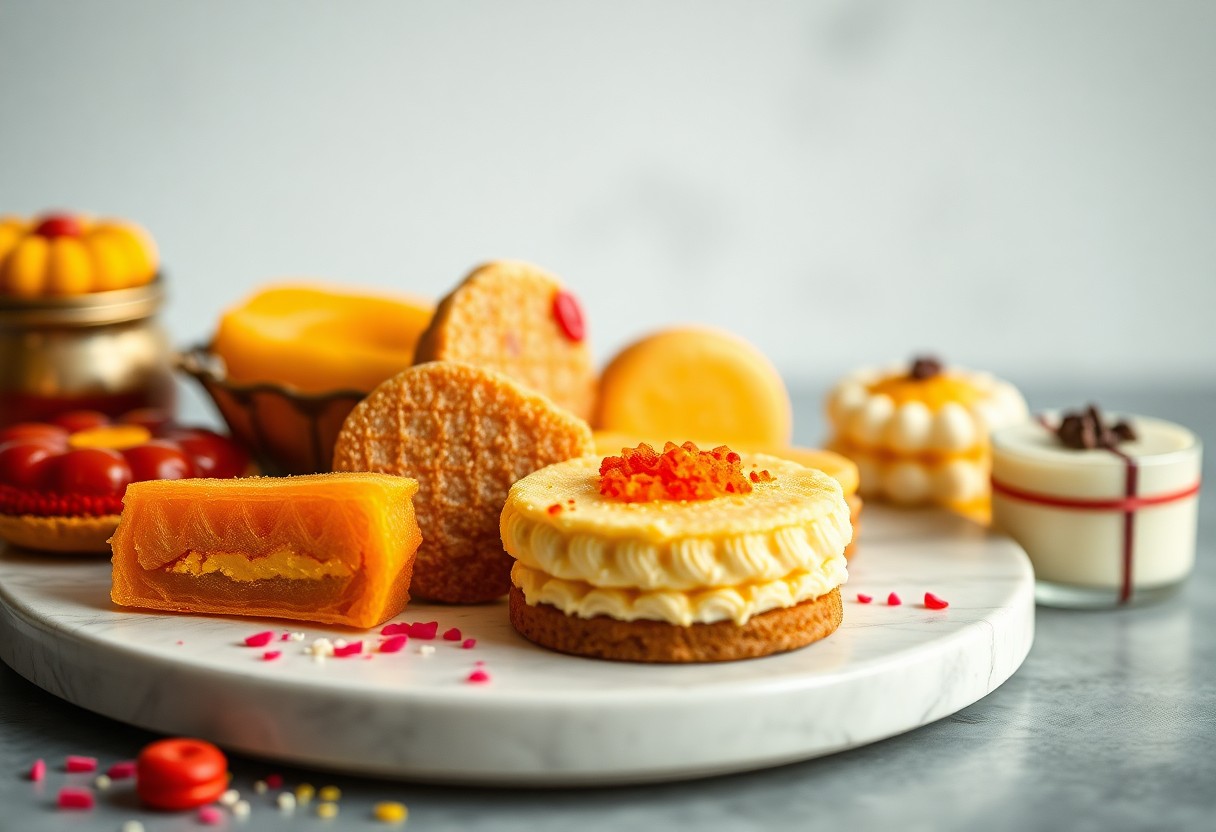
Embracing innovation, modern Indian desserts blend traditional flavors with contemporary techniques to create unique culinary experiences. Items like deconstructed rasgulla and chocolate samosas reflect a playful approach that surprises your palate, offering familiar tastes in unexpected forms. These desserts often utilize high-quality ingredients and intricate presentation, elevating them to gourmet status while celebrating India’s rich culinary heritage.
Fusion Ingredients and Techniques
Modern Indian desserts often incorporate global ingredients to enhance traditional recipes. You may find elements like mascarpone cheese in kheer or matcha powder in besan laddoos, creating an exciting culinary crossover. Innovative techniques, such as sous-vide preparation or molecular gastronomy, add a sophisticated touch to these desserts, surprising you with delightful textures and flavors.
Influence of Global Trends
The shift in dessert preferences is heavily influenced by global culinary trends, seamlessly integrating international flavors into Indian sweets. You might notice the rise of vegan options, showcasing recipes that utilize coconut cream and almond milk as substitutes, appealing to modern dietary choices. This incorporation not only broadens the dessert landscape, but also introduces a wider audience to Indian flavors.
As globalization continues to reshape culinary landscapes, contemporary Indian desserts demonstrate a remarkable adaptability. You can see this in the emergence of hybrid desserts like the pistachio mousse jalebi or tiramisu-inspired rasmalai, highlighting a fusion of techniques and ingredients from various cultures. Chefs are now focusing on wellness factors, creating low-sugar and gluten-free alternatives that retain the essence of Indian flavors while meeting modern health trends. This evolution not only increases accessibility but also invites a diverse audience to appreciate the rich tapestry of Indian cuisine.
Comparison of Preparation Methods
| Traditional Preparation | Modern Preparation |
|---|---|
| Involves techniques passed down through generations, often requiring time and patience. | Utilizes advanced equipment and techniques for quicker results, often emphasizing convenience. |
| Focuses on natural ingredients and hands-on methods, like grinding spices with a mortar and pestle. | Incorporates premixed ingredients and instant mixes to save time and effort. |
| Seasonal and local ingredients are prioritized for authenticity and flavor. | Often relies on global ingredients available year-round, impacting flavor profiles. |
Traditional Cooking Techniques
Traditional Indian desserts often involve labor-intensive methods, such as slow cooking and natural fermentation. Techniques like khoya preparation or making jaggery syrup are critical, requiring an understanding of texture and timing. You might spend hours simmering milk to achieve the right consistency or hand-churning butter for more authentic flavors. Each method reflects a deep cultural heritage and a commitment to natural flavor development, highlighting the artisanship of the cook.
Contemporary Approaches
Modern Indian desserts have embraced convenience and speed, utilizing technology and innovative techniques. You’ll find microwave recipes, sous-vide methods, and ready-to-use ingredients that cater to busy lifestyles. With tools like food processors and stand mixers, creating your favorite sweets becomes significantly quicker and easier, allowing for experimentation without the lengthy processes traditionally required.
In your exploration of contemporary approaches, consider how they fuse with global culinary trends. For example, fusion desserts like matcha gulab jamun or cheesecake rasgulla showcase how culinary boundaries blur, offering an inventive twist on classic flavors. Many dessert makers now use ready-made bases and infusions, reducing preparation time without sacrificing taste. This shift not only appeals to the younger demographic but also makes Indian desserts more accessible to an international audience, reshaping the way traditional sweets are perceived and enjoyed. The balance between authenticity and modern innovation defines the current landscape of Indian desserts.
Popular Traditional Indian Desserts
You’ll find that traditional Indian desserts are rich in flavor, history, and cultural significance. Each sweet treats not only tell a story of regional diversity but also highlight the unique ingredients used across the subcontinent. From creamy rice puddings to syrup-drenched dumplings, these desserts celebrate the essence of Indian culinary heritage.
Gulab Jamun
This iconic dessert features deep-fried dough balls made from khoya, soaked in a fragrant sugar syrup infused with cardamom and rose water. Often served warm, gulab jamun’s rich, soft texture and sweet flavor make it a beloved choice during festivals and weddings. You might find it hard to resist having just one!
Kheer
Kheer is a timeless Indian rice pudding that combines rice, milk, sugar, and a medley of nuts and spices. The slow-cooking method allows the rice to absorb the creamy milk, resulting in a luscious dessert. Whether flavored with cardamom or garnished with saffron and almonds, it’s a dish that epitomizes celebration and comfort.
Your experience with kheer can vary significantly based on regional adaptations, such as the use of vermicelli or tapioca pearls instead of rice. Each variation brings forth different textures and flavors, offering you a delightful culinary exploration. Traditionally served on auspicious occasions, it’s not just a dessert; it embodies the spirit of sharing and togetherness in Indian culture, making it a must-try at any festive gathering.
Popular Modern Indian Desserts
Modern Indian desserts have gained popularity for their innovative takes on traditional flavors and ingredients. You’ll find a delightful array of sweets like matcha gulab jamun, saffron-infused panna cotta, and almond-crusted chocolate truffles. Each dessert marries conventional tastes with contemporary techniques, making them ideal for diverse palates while preserving the essence of Indian culinary heritage.
Cheesecake with Indian Flavors
This dessert elevates the classic cheesecake by incorporating Indian flavors like cardamom, pistachios, and mango. The creamy texture perfectly balances the spiced crust made from cookies or crushed biscuits, providing a fusion of taste in every bite. You can enhance your experience further by drizzling it with a layer of saffron-infused syrup.
Fusion Ice Creams
Fusion ice creams showcase a blend of traditional Indian ingredients and global flavors. You’ll discover varieties like kulfi-inspired saffron pistachio ice cream or coconut mango ice cream, merging creamy textures with rich, exotic tastes. These desserts not only offer a refreshing treat but also pay homage to India’s rich culinary history.
Modern Indian fusion ice creams push the boundaries of traditional desserts by infusing unexpected ingredients into classic bases. For instance, try flavors like rasgulla ice cream, blending the beloved spongy dessert into a creamy treat, or paan sorbet that incorporates the refreshing taste of betel leaves and spices. These combinations delight adventurous eaters and creatively represent India’s diverse food culture, making each scoop a conversation starter.
Taste and Presentation
The interplay between taste and presentation sets traditional and modern Indian desserts apart. Traditional desserts often emphasize rich flavors and historical significance, while modern interpretations focus on visual appeal and innovative pairings. You’ll notice how both styles convey stories through taste, yet present them in ways that resonate with contemporary diners.
Traditional Aesthetic
In traditional Indian desserts, the aesthetic often reflects age-old customs, showcasing vibrant colors and intricate designs. Dishes like Gulab Jamun and Jalebi are typically served in simple, rustic settings, emphasizing their cultural roots. You’ll see the use of ornate silverware or earthen pots, enhancing the connection to heritage and the communal experience of sharing sweets.
Modern Plating Styles
You will find that modern plating styles transform desserts into art. Chefs employ techniques like layering, drizzling sauces, and utilizing edible flowers to create visually stunning presentations. Dishes like Paan Macarons or Choco-Mango Mousse may be served on minimalist plates, where the dessert itself becomes the focal point, inviting experimentation with flavors and textures.
Modern plating often utilizes negative space to emphasize the dessert, creating a sense of elegance and sophistication. You might encounter elements like microgreens, dusting of spices, or flavored oils that not only enhance flavors but also offer a feast for the eyes. This approach reflects a culinary trend towards artistic expression in food, providing a sensory experience that elevates each bite. Chefs explore modern techniques, including molecular gastronomy, resulting in surprising textures and flavors, merging innovation with Indian tradition seamlessly.
Final Words
Now, as you explore the rich landscape of traditional and modern Indian desserts, you’ll discover that each has its unique charm and significance. Traditional desserts offer a nostalgic connection to India’s culinary heritage, often infused with cultural stories and rituals. In contrast, modern desserts push the boundaries of creativity, introducing unexpected flavors and innovative presentations. Embracing both allows you to appreciate the depth of Indian cuisine, inviting you to indulge in the sweet legacies of the past while savoring the exciting prospects of the present.