Canada boasts a vibrant multicultural landscape, where Indian sweets are increasingly making their mark, allowing you to indulge in the rich flavors of your heritage. From classic treats like Gulab Jamun and Jalebi to modern interpretations like Indian-inspired cheesecakes, these desserts provide a taste of home amidst the Canadian backdrop. This post will guide you through the diverse offerings of Indian sweets available in Canada, helping you connect with your roots while savoring the artistry and flavors that these confections bring to your table.
The Rich Heritage of Indian Sweets
The legacy of Indian sweets is a tapestry woven through centuries, reflecting the cultural, religious, and regional diversities across the subcontinent. From elaborate celebrations to everyday delights, these confections play a vital role in rituals and festivities, making them indispensable in Indian households. This heritage is not just about flavors but embodies family traditions, stories, and a deep sense of community that transcends borders.
Historical Significance
Tracing back to ancient scriptures, sweets have been integral to Indian culture; references to sweets appear in texts over 2,000 years old. As sugar became a staple with the introduction of cane cultivation, Indian sweets evolved, becoming symbolic during festivals and ceremonies. Iconic sweets like Gulab Jamun and Ladoo are often connected to significant life events, celebrating everything from births to weddings, emphasizing their cultural importance.
Regional Varieties
Each region of India boasts its distinct sweet creations, influenced by local ingredients and culinary practices. In the north, you might savor the creamy goodness of Ras Malai, while the south tempts you with the richness of Mysore Pak. The west delights with Puran Poli, and the east brings forth the delicate texture of Sandesh. This diversity not only showcases local tastes but also reflects India’s rich agricultural heritage.
Regional varieties illustrate a fusion of local resources and traditions, resulting in a vast spectrum of flavors. For instance, in Maharashtra, you’ll find Puran Poli, a sweet flatbread filled with lentil and jaggery, symbolizing the region’s agriculture. Conversely, Bengal’s Sandesh and Rasgulla utilize fresh cottage cheese, indicative of the region’s dairy farming. Each confection carries a unique story, shaped by factors such as geography, climate, and historical influences, making your culinary journey through Indian sweets a delightful exploration of regional culture and flavors.
Popular Indian Sweets in Canada
Indian sweets have found a cherished place in the hearts of Canadians, with shops across the country showcasing an array of traditional delicacies. You’ll find favorites like Gulab Jamun and Jalebi not just at Indian restaurants but also at festivals and celebrations. The fusion of spices and textures provides a unique taste experience that resonates with both the Indian diaspora and local food enthusiasts alike.
Gulab Jamun
Gulab Jamun, those delightful, deep-fried balls soaked in sugar syrup, are a must-try for any sweet lover in Canada. You can enjoy these soft, syrupy treats at various Indian events or easily find them at local sweet shops. The balance of cardamom and rosewater gives them a distinct flavor that transports you back to India with each bite.
Jalebi
Jalebi, with its vibrant orange hue and crispy texture, holds its own as a beloved sweet in Canada. Often served warm, this spiral-shaped treat is made by deep-frying fermented batter and soaking it in sugar syrup. Its sweet and slightly tangy flavor profile makes it irresistible to those with a sweet tooth.
While enjoying Jalebi, you’ll appreciate how it retains its crunchiness while absorbing just the right amount of syrup, making it perfect for any occasion. In Canada, it’s often paired with a glass of cool milk or yogurt, enhancing the experience and catering to local tastes. During festivals, you might even come across variations incorporating spices like saffron or fillings, showcasing the adaptability of this classic dessert. Many local sweet shops offer fresh Jalebi during Diwali, celebrating the Indian festivity and its culinary heritage, making it a go-to choice for gatherings.
The Influence of Diaspora on Indian Sweets
The Indian diaspora has significantly shaped the evolution of sweets, blending traditional recipes with local tastes and ingredients. As you explore these adaptations, you’ll find familiar sweets like gulab jamun or jalebi reinterpreted to suit North American palates, enabling them to capture both nostalgia and novelty in each bite.
Adaptation and Innovation
Cultural exchange has inspired innovation in traditional Indian sweets, as local ingredients and techniques create unique twists. You may find coconut-infused barfis or cardamom-flavored cheesecakes that honor Indian flavors while appealing to contemporary preferences.
Fusion Sweets
Fusion sweets exemplify the culinary creativity born from cultural blending. This genre includes delightful combinations such as saffron-infused panna cotta or matcha besan ladoos, showcasing how the richness of Indian flavors can mingle with other cuisines to create extraordinary taste experiences.
In cities like Toronto and Vancouver, fusion sweets have rapidly gained popularity, often featured in artisanal bakeries or specialty shops. The creation of sweet samosas filled with chocolate or mango mousse has captured the imagination of both Indian and non-Indian communities alike. This innovation not only retains the essence of Indian sweets but also provides an accessible entry point for those unfamiliar with traditional confections, promoting cultural appreciation through shared flavors. Expect to see these inventive treats featured at events and festivals, enticing all to experience a modern take on cherished classics.
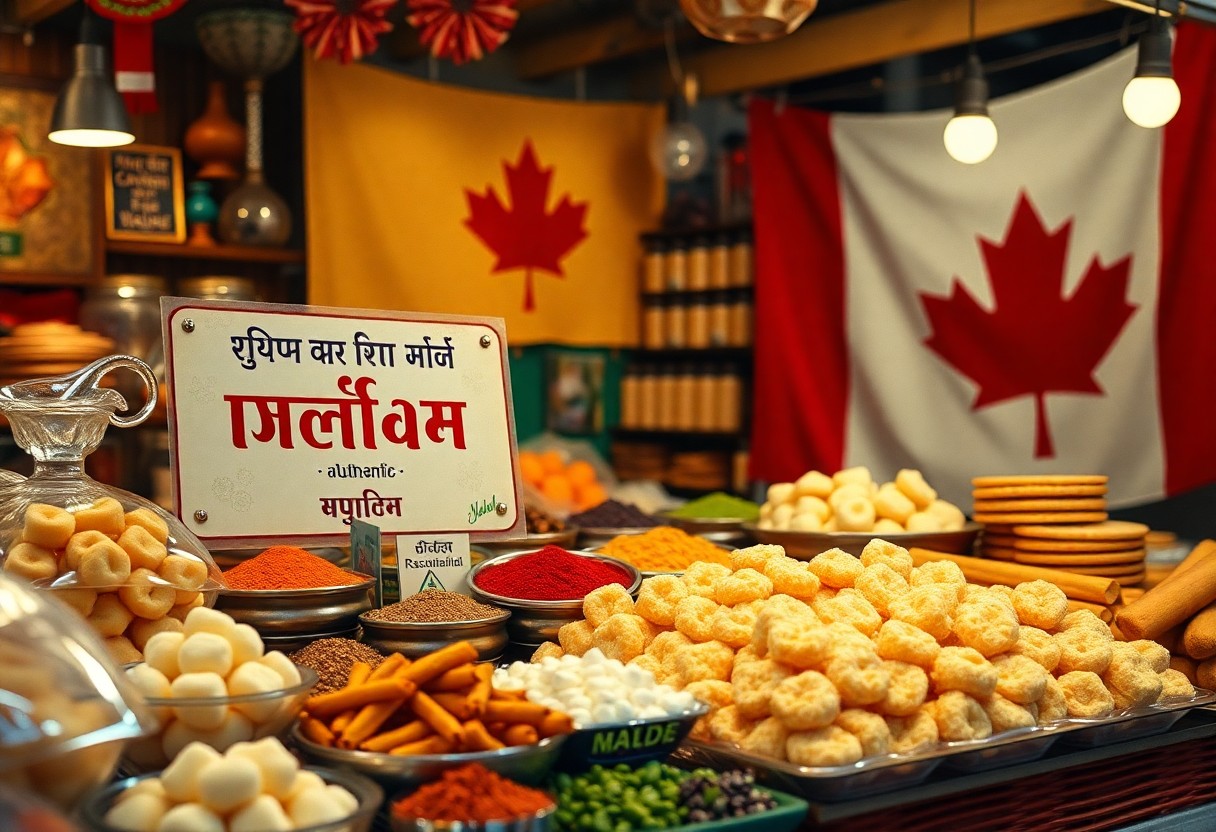
Sourcing Ingredients for Authenticity
To truly replicate the sweetness of home, sourcing the right ingredients is vital. You can find authentic Indian spices, flours, and sweets at specialty stores that cater to the South Asian community. The freshness and quality of your ingredients can significantly impact the flavor of your desserts, making it worthwhile to seek out the best sources.
Local Markets and Stores
Your first stop should be local Indian grocery stores. Shops like Patel Brothers or Desi Grocery offer a variety of ingredients, from durum wheat flour for making halwa to jaggery for traditional sweets like payasam. These stores often carry regional specialties to suit your cooking needs.
Online Resources
Exploring online platforms can greatly expand your ingredient options. Websites like Amazon or specialized South Asian grocery sites provide a wide array of items, often including hard-to-find ingredients. Utilizing these resources helps ensure that you have access to quality items regardless of your local availability.
Online grocery shopping is particularly beneficial for those living in areas with limited access to Indian markets. Many websites feature user reviews and ratings, giving you insight into product quality. Additionally, subscribing to Indian spices or ingredient boxes can introduce you to new items while ensuring you never run out of vital components for your sweets, keeping your pantry fully stocked for your next culinary adventure.
The Cultural Impact of Indian Sweets in Canada
Indian sweets have become an integral part of the multicultural landscape in Canada, infusing local traditions with rich flavors and textures. They symbolize the blending of cultures, reflecting the growing Indian diaspora that contributes beautifully to Canada’s socio-cultural fabric. As a testament to their appeal, many non-Indian Canadians also indulge in these delicacies, paving the way for culinary exchange and appreciation of Indian heritage.
Celebrations and Festivals
During major festivals like Diwali and Holi, Indian sweets take center stage, bringing communities together in vibrant celebrations. You might find tables adorned with an array of treats like ladoos, barfis, and jalebis, emphasizing their role in sharing joy and blessings. These festive occasions are not just about food; they strengthen bonds amongst families and friends, as sweets often symbolize love and goodwill.
Community Gatherings
In cozy community gatherings, Indian sweets are often shared, creating a sense of belonging and cultural pride. From potlucks to organized events, these delectable treats are a common sight, serving as conversation starters and icebreakers. You’ll notice how their unique flavors spark nostalgia, transporting many to familial kitchens filled with warmth and laughter.
Community gatherings serve as vital platforms for cultural exchange, where Indian sweets play a pivotal role in showcasing culinary heritage. You may engage with diverse audiences at these events, observing how dishes like gulab jamun and kheer are excitedly shared amongst friends of different backgrounds. These interactions not only foster appreciation for Indian cuisine but also highlight the ways in which sweets enhance the communal spirit, creating lasting memories and shared experiences within the multicultural fabric of Canada.
Recipes to Try at Home
Elevate your culinary skills by bringing the sweet essence of India into your kitchen with these delicious recipes. Whether you have a preference for traditional flavors or seek modern innovations, these recipes will help you recreate beloved Indian sweets, allowing you to share a piece of your heritage with family and friends in Canada.
Traditional Recipes
Classic Indian sweets like Gulab Jamun and Jalebi carry timeless appeal and are perfect for celebrating festive occasions. Start by mastering the technique of making Gulab Jamun from scratch, using khoya and flavored syrup, or try your hand at preparing Jalebi, with its signature crunchy texture and honey-like sweetness, to captivate everyone’s taste buds.
Modern Twists
Infusing creativity into traditional recipes opens up an exciting world of flavors. Consider experimenting by making a matcha-infused Rasgulla or a vegan version of Kheer using coconut milk and chia seeds. These innovative takes can appeal to a broader audience while maintaining the essence of the original treats.
Explore combining traditional Indian sweets with non-traditional ingredients to create exciting flavor profiles. A rose-flavored cheesecake could incorporate the beloved elements of Gulab Jamun, or you might make a saffron-inflected panna cotta to surprise your guests. These modern twists allow you to retain the cultural integrity while appealing to contemporary tastes, bridging the gap between tradition and innovation.
To wrap up
As a reminder, indulging in Indian sweets while in Canada allows you to reconnect with your cultural roots and explore diverse flavors that bring a taste of home. These delicacies not only satisfy your sweet cravings but also foster a sense of community by sharing them with friends and family. By embracing the rich culinary heritage of Indian desserts, you can enjoy memorable experiences that evoke nostalgia and warmth, regardless of where you are. Your journey into the world of Indian sweets will not only delight your palate but also strengthen your cultural ties.