Most people delight in exploring diverse flavors, and Indian sweets offer a rich tapestry of tastes that you shouldn’t miss. From the iconic laddu to the syrup-soaked gulab jamun, each dessert carries its own unique history and flavor profile. This guide will help you navigate the delightful world of Indian confections available in Canada, ensuring your sweet tooth is satisfied and your culinary experience is enriched.
The Rich History of Indian Sweets
Indian sweets have a history that dates back over 5,000 years, rooted in ancient texts and traditions. Originating from the Vedic period, recipes evolved through the ages, influenced by dynasties and regions. Mughal emperors played a significant role in popularizing sweets like jalebi and gulab jamun, combining local ingredients with Persian techniques. The journey of these confections tells a story of cultural exchange, with diverse flavors representing the richness of India’s culinary heritage.
Cultural Significance
Sweets are deeply intertwined with Indian culture, marking celebrations, festivals, and rituals. You serve sweets during Diwali to symbolize prosperity or during weddings to signify the sweetness of the new union. Each sweet carries its own story, often linked to regional traditions and beliefs, making them integral to communal identity and family gatherings.
Regional Varieties
India’s vast geography has given rise to unique regional sweets, each reflecting local flavors and ingredients. From the milk-based desserts of the north like rasgulla and peda to the coconut-infused treats of the south, such as payasam and coconut laddoo, these sweets showcase a rich tapestry of cultural influences. The diversity is immense, with each state contributing its signature sweet dishes that represent its history and traditions.
In Punjab, you might indulge in the rich, buttery taste of barfi, while Gujarat offers the delightful shrikhand made from strained yogurt. Kolkata is famous for its soft, spongy rasgullas, whereas in Maharashtra, you’ll find the delicious modaks, especially during Ganesh Chaturthi. This rich diversity not only enhances your culinary experience but also provides a glimpse into the various regional heritages that make up India’s sweet legacy.
Popular Indian Sweets to Try
Your exploration of Indian sweets in Canada wouldn’t be complete without indulging in a selection of favorites. These treats not only symbolize celebration and joy but also offer a taste of traditional flavors that are cherished from India to the Canadian streets. Here are some must-try varieties that reflect India’s diverse culinary heritage.
Laddu
Laddu is a beloved Indian sweet, typically made from flour, sugar, and ghee, rolled into delightful, round balls. You can explore various types, including besan laddu made from chickpea flour or motichoor laddu, which are crafted from tiny, fried gram flour pearls. Each variation carries its unique flavor profile and significance in festive occasions.
Gulab Jamun
Gulab Jamun is a classic Indian dessert consisting of soft, deep-fried dough balls made primarily from milk solids, soaked in sweet syrup infused with rosewater or cardamom. Their melt-in-your-mouth texture and fragrant syrup make them irresistible and a perfect ending to your meal.
This iconic sweet has gained immense popularity across the globe, including in Canada, where you can find variations that infuse local flavors. Traditionally served warm, the contrast of the hot gulab jamun with cool vanilla ice cream adds an exciting twist. Experience the rich heritage of this indulgent dessert by seeking out authentic recipes or visiting Indian restaurants that showcase their own renditions.
Jalebi
Jalebi is a spiral-shaped, crispy treat made from fermented batter, deep-fried, and then soaked in sugary syrup. Its bright orange color and unique texture create a fun contrast that makes jalebi a favorite for many. Often paired with curd or milk, this dessert offers a delightful blend of sweetness and crunch.
You’ll appreciate how jalebi is often enjoyed during festivals and special occasions, making it a staple in Indian culture. When sampling jalebi in Canada, look for those made fresh, as the crispy outer layer and warm, syrupy inside create the ultimate taste experience. Some vendors even coat jalebi with saffron or stuffed variations, enhancing this already delectable sweet.
Barfi
Barfi is a rich confectionary made from condensed milk and sugar, offering a variety of flavors including coconut, pistachio, and chocolate. This dense sweet often garnished with nuts provides both visual and textural delight, perfect for sharing during celebrations.
In Canada, barfi stands out due to its versatility, available in countless variations that cater to different tastes. You might find innovative adaptations that incorporate local ingredients, creating unique flavor profiles while respecting traditional processes. Each bite of barfi brings a luscious burst of sweetness, making it a charming addition to your dessert platter at gatherings or events.
Where to Find Indian Sweets in Canada
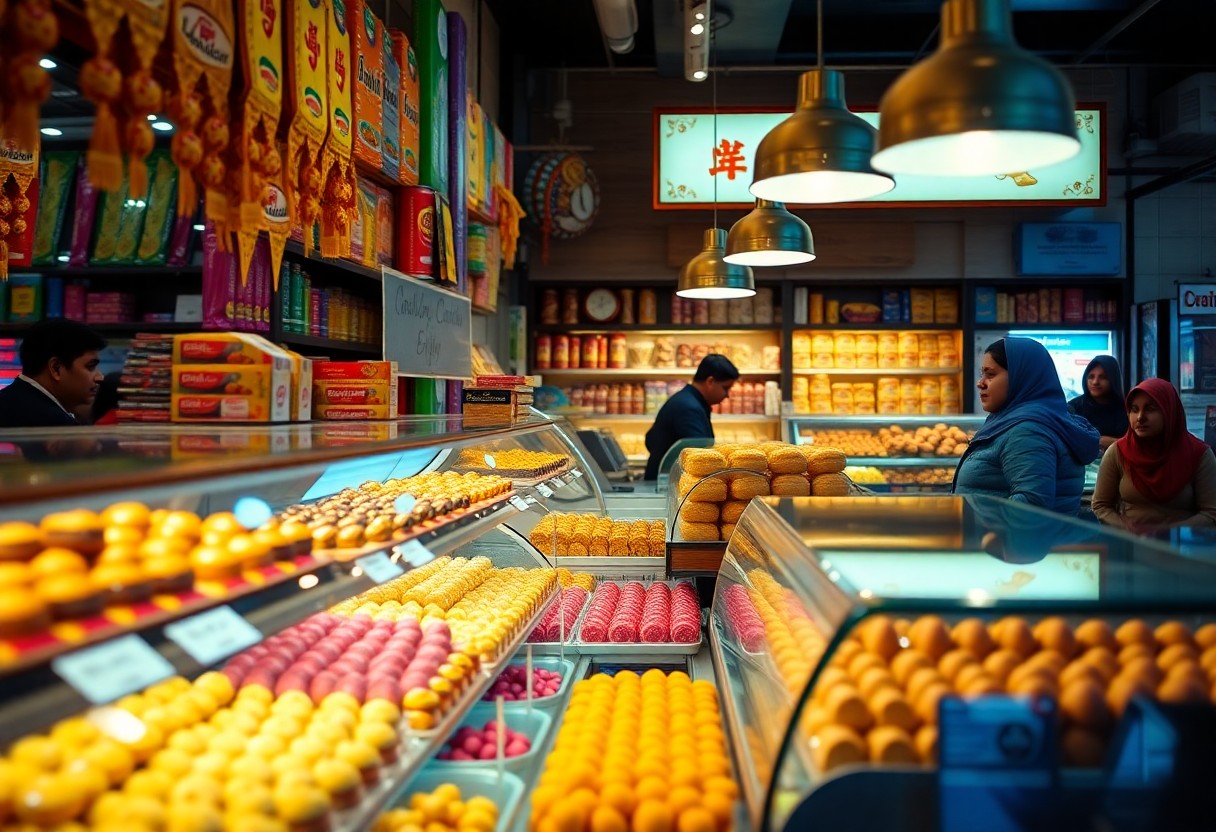
Your quest for authentic Indian sweets in Canada leads you to vibrant neighborhoods and specialized stores across the country. Major cities like Toronto, Vancouver, and Calgary boast an array of Indian bakeries and grocery stores, each offering a unique selection of traditional confections. Whether you seek a fresh batch of jalebi or pre-packaged barfi, finding these treats is part of the experience that connects food lovers to cultural heritage.
Local Indian Bakeries
You can find delightful treats at local Indian bakeries, which often serve freshly made sweets daily. Establishments like T&T Bakery in Toronto and Sri Lakshmi Sweets in Vancouver are renowned for their quality and variety. Here, you can indulge in everything from traditional besan ladoos to exquisite rasgullas, ensuring each visit satisfies your sweet cravings.
Grocery Stores with Indian Sweets
For a broader selection that includes packaged Indian sweets, visit grocery stores specializing in South Asian foods. Chains such as Patel Brothers and Desi Junction carry a range of ready-to-eat treats, perfect for those looking to satisfy their sweet tooth at home. You’ll discover popular brands like Haldiram’s and Mithaiwala, making it easier to enjoy Indian sweets without venturing into specialty stores.
Many grocery stores offer not just sweets but also ingredients to help you create your own favorite dishes. For instance, Patel Brothers carries a variety of sweets and desserts from regions across India, along with imperative components like khoya and sugar syrup. With this assortment, you can explore new recipes or simply select your favorites to enjoy at leisure. Sampling these offerings makes you feel closer to the vibrant culture celebrated through every sweet bite.
The Making of Traditional Indian Sweets
Creating traditional Indian sweets is an art that combines age-old techniques with regional variations. From simmering milk to crafting intricate shapes, each step is meticulously followed to achieve the perfect balance of flavors and textures. The process often involves slow cooking methods, allowing ingredients to meld, resulting in indulgent treats that tantalize your taste buds.
Ingredients and Techniques
Your exploration of Indian sweets reveals a variety of ingredients, such as khoya, sugar, and various spices that differ by region. Techniques like tempering, kneading, and deep-frying play vital roles in producing distinct textures; for example, mistaking timing or temperature can lead to tough gulab jamuns or overly chewy besan laddus. Mastery comes from practice and understanding the characteristics of each component.
Vegan and Healthier Alternatives
As the demand for plant-based options grows, the world of Indian sweets has adapted accordingly. You can enjoy vegan versions made with coconut milk or almond flour, replacing traditional dairy ingredients. Additionally, using natural sweeteners like dates or jaggery can provide healthier options without sacrificing flavor.
Expanding upon vegan and healthier alternatives, many chefs are now using innovative ingredients like chickpea flour for protein-rich delights or aquafaba as an egg white substitute in recipes such as barfi and rasgulla. By combining traditional techniques with modern dietary preferences, you can indulge in guilt-free versions of your favorite desserts. This approach not only appeals to those seeking healthier choices but also introduces unique flavors and textures, ensuring that everyone can enjoy the sweetness of Indian confections.
Sweet Pairings: Best Drinks with Indian Sweets
Complementing your indulgent Indian sweets requires the right beverages to balance flavors and enhance the experience. Traditional and modern drinks offer unique pairings that can elevate your dessert enjoyment, whether you prefer a classic refreshment or a contemporary twist.
Traditional Beverages
Traditional beverages like masala chai and lassi are perfect companions for sweets. The spiced warmth of masala chai beautifully contrasts the sweetness of desserts, while lassi’s creamy, cooling flavor complements rich options like gulab jamun. These drinks not only enhance the taste but also provide a comforting experience.
Modern Twists
Adaptive takes on classic Indian beverages are gaining popularity, merging flavors for a contemporary vibe. Think iced chai lattes topped with whipped cream or fusion smoothies made with real mango and rose syrup. Such creations offer a refreshing spin on tradition, appealing to a younger audience looking to experiment.
Modern twists on drinks offer a playful blend of flavors that can intrigue your palate. For instance, a rose-infused lemonade not only adds a floral note but also refreshes your senses after indulging in something sweet. Craft cocktail bars are also embracing Indian spices, serving drinks like a spice-infused gin and tonic that harmonizes with treats like barfi. These innovative options let you enjoy Indian sweets in inventive ways, making each tasting an exciting exploration of flavor balance.
Celebrating Festivals with Indian Sweets
Festivals in India are synonymous with sweets, serving as an integral part of the celebration. From Diwali to Holi, each occasion boasts unique sweets that hold special meaning. You’ll find yourself indulging in a diverse array of flavors and textures as families come together to share these delightful treats. Sweets not only enhance the festive spirit but also represent joy, love, and togetherness, turning each festival into a memorable experience.
Diwali and Other Celebrations
During Diwali, the Festival of Lights, you’ll encounter an explosion of sweets such as laddus, barfis, and jalebis, each signifying prosperity and happiness. The shops brim with these delicacies, and sharing them with friends and family is a cherished tradition. Holi, the festival of colors, brings an equally vibrant selection, including gujiya, which are often enjoyed amidst the playful festivities. Engaging in these culinary traditions not only satisfies your sweet tooth but also connects you to the rich cultural heritage of India.
Sweets as Gifts and Offerings
Sweets play a vital role as gifts and offerings during festivals and special occasions. You often present boxes of luxurious assorted mithai to friends and family, symbolizing goodwill and affection. This custom extends to religious ceremonies, where sweets are offered to deities as a sign of devotion. In return, these treats are shared within the community, fostering connections and spreading joy. Whether it’s homemade or store-bought, gifting sweets creates a warm bond among people, highlighting the festive spirit that defines Indian culture.
In many ways, the act of gifting sweets carries deep emotional significance. For instance, during weddings, it’s customary to present lavish sweet platters to guests, serving as tokens of appreciation. Similarly, on occasions like Eid, distributing biryani and sweets from your home signifies generosity. In some regions, it’s common to visit neighbors with sweet offerings during festivals, showcasing a spirit of sharing and unity. Such practices not only strengthen personal relationships but also foster a sense of community, embodied in each bite of these exquisite treats.
Conclusion
Considering all points, exploring Indian sweets like laddu and gulab jamun in Canada offers you a delightful culinary experience. These desserts not only highlight the rich flavors of Indian cuisine but also provide a connection to its vibrant culture. Finding these treats in local Indian sweet shops allows you to indulge in their diverse offerings and discover new favorites. Whether you’re sharing them with friends or enjoying them alone, your sweet journey through India’s desserts will undoubtedly satisfy your cravings and broaden your palate.