Desserts play a vital role in Indian festivities, transforming ordinary moments into extraordinary celebrations. Your experience of these vibrant occasions is not complete without indulging in regional delicacies like gulab jamun, rasgulla, and jalebi. Each sweet has its own story, reflecting the rich cultural heritage and regional diversity of India. As you explore these delectable treats, you’ll discover how they contribute not just to the flavor of celebrations, but also to the joy and togetherness that define them.
The Cultural Significance of Sweets in Indian Traditions
In India, sweets transcend simple culinary delights; they embody deep-rooted cultural values and beliefs. Each region has its unique specialties, often tied to local traditions and seasonal ingredients. Whether it’s the syrupy gulab jamun or the rich peda, sweets serve as a symbolic gesture of love and hospitality during gatherings, connecting families and communities across generations.
Celebrations and Festivals: A Reliant Symbol
Indian celebrations are incomplete without an array of sweets that signify joy and abundance. Festivals like Diwali or Holi are marked by the sharing of delicacies, such as ladoos and barfis. These sweets not only tantalize your taste buds but also represent blessings for prosperity and happiness in the coming year.
Rituals and Ceremonies: The Offering of Desserts
During rituals and ceremonies, sweets play an integral role in spiritual offerings, symbolizing purity and gratitude. Whether at weddings, religious ceremonies, or naming ceremonies, desserts are presented to deities, ensuring that divine blessings are received. The act of sharing these sweets among guests reinforces community bonds and fosters goodwill.
Specific rituals often call for particular desserts. For instance, during Ganesh Chaturthi, modaks are offered to Lord Ganesha, believed to be his favorite treat. Offering these sweets manifests your respect and devotion, creating a sacred atmosphere. After the rituals, these sweets are shared with family and friends, strengthening community ties and celebrating the occasion together. This tradition nurtures a sense of belonging and highlights the importance of sweets as a medium of sharing joy and blessings in Indian culture.
The Flavor Profile of Authentic Indian Desserts
Authentic Indian desserts tantalize your taste buds with a rich tapestry of flavors that define each celebration. From the earthy sweetness of jaggery to the tangy notes of fresh fruits, these confections embody a harmonious balance of sweet, savory, and spicy elements. Each bite offers complex layers, often highlighted by the warmth of cardamom, the richness of saffron, or the crunch of roasted nuts, creating an unforgettable experience that resonates deeply during festive occasions.
Ingredients that Define: Spices, Dairy, and Nuts
Spices, dairy, and nuts are the backbone of authentic Indian desserts, elevating them beyond mere sweetness. Ingredients like cardamom, nutmeg, and saffron infuse warmth and depth, while creamy elements like condensed milk and khoya add richness. Nuts such as almonds, pistachios, and cashews not only contribute texture but also enhance the flavor profile, offering a satisfying crunch that contrasts beautifully with the softness of traditional sweets.
Regional Variations: A Spectrum of Taste and Texture
The diversity of India reflects in its desserts, showcasing distinct regional variations that delight your palate. Bengali sweets, like rasgulla and sandesh, are renowned for their light, spongy textures and subtle flavors, while South Indian treats like payasam highlight the use of coconut and jaggery for a richer, creamier experience. Northern regions embrace milk-based desserts like gulab jamun, whereas the Western states offer boondi laddoos and dhokla, each with a unique balance of sweetness and spice.
Each Indian region boasts its own signature desserts that utilize local ingredients and cooking methods. For example, in the Punjab, you might savor the decadent creaminess of kheer, while Maharashtra celebrates the chewy, sweet delight of modak during Ganesh Chaturthi. The distinct flavors of fresh coconut in Kerala’s payasam contrast with the nutty richness of Andhra Pradesh’s ariselu. This spectrum of tastes and textures reflects the rich cultural tapestry of India, ensuring that every festival or celebration holds a treasured dessert that tells a unique story.
Crafting Desserts: The Artisans Behind Traditional Recipes
Every authentic Indian dessert is a product of skilled artisans who dedicate their lives to preserving traditional recipes passed down through generations. These craftsmen understand not just the techniques required but also the cultural significance embedded in each sweet. From the intricate preparation of Mysore Pak to the delicate layering of Gulab Jamun, their craftsmanship ensures that every bite resonates with the rich heritage of India.
Generational Knowledge: Learning the Craft
You’ll find that the art of crafting Indian desserts is often a familial tradition, with skills imparted from parent to child. Young apprentice cooks absorb lessons in spices, textures, and techniques, ensuring that time-honored practices endure. The heartfelt stories shared around family kitchens contribute to a deeper understanding of each sweet’s significance, making the process a beautiful blend of learning and nostalgia.
Innovations within Tradition: Modern Twists on Classics
Today, many chefs are reimagining traditional Indian desserts, infusing them with contemporary flavors and techniques. This innovation breathes new life into classics, showcasing ingredients like quinoa or avocado in place of traditional components. By adopting molecular gastronomy or fusion elements, these modern interpretations allow you to experience beloved sweets in an entirely new light, catering to diverse palates while respecting their origins.
For example, the traditional Ras Malai incorporates unique flavors like saffron-infused coconut milk or rosewater, elevating its profile while retaining its authentic essence. Chefs are also crafting vegan versions of classics like Kheer, using almond or coconut milk to appeal to health-conscious consumers. These modern twists not only attract a younger audience but also ensure that the rich heritage of Indian desserts adapts beautifully to contemporary culinary trends, celebrating the past while embracing the future.
Pairing Desserts with Celebrations: Matching Flavors and Occasions
Your choice of dessert can elevate any celebration, creating memorable pairings between flavors and occasions. Whether it’s a zesty mango mousse for a summer wedding or a rich gulab jamun for Diwali, selecting the right dessert enhances the festivity. Balancing the dessert’s sweetness and texture with the flavors of the overall menu ensures a seamless gastronomic experience, inviting guests to savor every moment without losing sight of the occasion’s essence.
Festivals and their Signature Sweets
Each Indian festival boasts its own beloved sweets, reflecting cultural significance and regional flavors. Diwali, for instance, is synonymous with the indulgent besan laddu, celebrating the victory of light over darkness. Meanwhile, during Holi, vibrant gujiya fills the air with sweetness, representing joy and festivity. Aligning these signature sweets with their respective celebrations not only honors traditions but also enriches the experience for everyone involved.
Personal Milestones: The Desserts We Choose for Life Events
Your personal milestones, from weddings to birthdays, dictate the desserts you choose, transforming each event into a significant celebration. Classic choices like a three-tiered cake for weddings symbolize unity, while creamy rasmalai can make birthdays feel special. Each dessert helps encapsulate memories, marking the importance of these moments in your life.
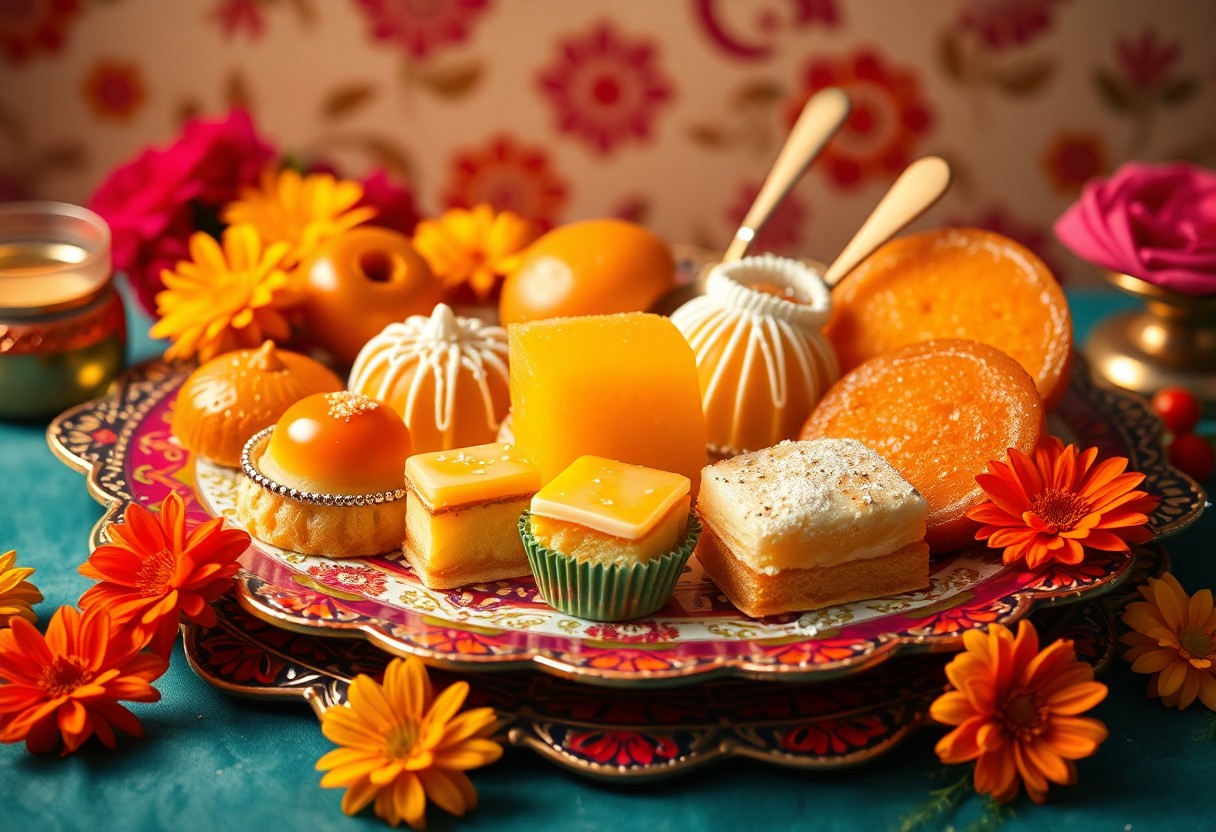
The Health Perspective: Balancing Tradition and Modern Diet
Indian desserts often face scrutiny for their sugar and calorie content, but they can also fit smartly within a balanced diet. Integrating traditional sweets with contemporary health considerations allows you to enjoy these beloved treats without compromise. By understanding how to adapt recipes and employ moderation, you can celebrate occasions without straying from healthier eating habits.
Nutritional Value of Key Ingredients
Your favorite Indian desserts boast a wealth of nourishing ingredients. For example, almond flour provides healthy fats and proteins, while jaggery or honey offers lower glycemic alternatives to refined sugars. Spices like cardamom and saffron not only enhance flavors but are also known for their antioxidant properties, making these desserts as wholesome as they are delicious.
Health-conscious Twists on Traditional Desserts
Modern adaptations of Indian desserts prioritize health without sacrificing flavor. Recipes that use natural sweeteners, gluten-free flours, or alternative dairy options allow indulgence while maintaining a health-conscious approach. For instance, substituting refined sugar with dates or using coconut milk in place of cream transforms traditional favorites into guilt-free pleasures.
Innovative techniques such as using baked rather than fried methods, incorporating fruits for natural sweetness, or reducing portion sizes can further align traditional desserts with your modern dietary preferences. You might explore options like quinoa laddoos or chia seed kheer, which preserve the essence of classic flavors while boosting nutritional benefits. By embracing these adaptations, your sweet celebrations can nurture both taste buds and well-being, allowing you to relish the richness of Indian desserts in a healthier way.
Final Words
To wrap up, authentic Indian desserts are integral to every celebration, as they symbolize joy and togetherness in your cultural heritage. The rich flavors and diverse ingredients reflect the diversity of India itself, inviting you to indulge in experiences that resonate with your senses. From festive occasions to family gatherings, these sweets create lasting memories and connections, reinforcing bonds that are central to your celebrations. Embracing these desserts not only enhances your celebrations but also honors the tradition that you cherish in your life.