Many of your favorite festive celebrations are made unforgettable by the mouthwatering desserts that accompany them. From the rich flavors of gulab jamun to the delicate layers of baklava, Indian sweets reflect the cultural diversity and culinary heritage of the nation. In this post, you will discover how these authentic desserts not only delight your taste buds but also symbolize joy and abundance during special occasions. Immerse yourself in the world of Indian desserts and elevate your festive celebrations with these delectable treats.
The Essence of Indian Festivals in Confectionery
Festivals in India are inextricably linked to the rich tapestry of sweets that adorn celebrations. Each occasion, from Diwali to Eid, showcases a variety of confections, made to honor deities, welcome guests, or mark a new beginning. These sweets not only tantalize your taste buds but also serve as a reflection of the cultural diversity and shared heritage that bind communities. The preparation and sharing of these delicacies encapsulate the spirit of togetherness, joy, and gratitude, making them an integral part of festive rituals.
Cultural Significance of Sweets in Celebrations
Sweets play a pivotal role during Indian festivities, acting as symbols of prosperity, happiness, and divine blessings. Confections are often distributed among family and friends as a gesture of goodwill, reinforcing social bonds. For example, during weddings, the exchange of sweets signifies the union of two families, while during festivals like Holi, the sharing of colorful sweets embodies the joy of togetherness. Each bite not only delights the palate but also conveys heartfelt wishes and sentiments, enhancing the celebratory atmosphere.
Symbolism of Ingredients Used in Traditional Desserts
The ingredients in traditional Indian desserts carry profound symbolism, representing various aspects of life and nature. For instance, the use of saffron symbolizes purity and wealth, while jaggery signifies health and prosperity. Nuts, often incorporated for richness, are seen as blessings for abundance, and milk, a staple in many desserts, represents nourishment and growth. By selecting specific ingredients, you tap into a deeper layer of meaning that enriches the festive experience and connects you to cultural rituals.
Specific ingredients in Indian sweets not only enhance flavor but also embody rich symbolism. Saffron, known for its vibrant color and aroma, symbolizes purity and is often used in desserts like Kheer for auspicious occasions. Jaggery, a healthier alternative to refined sugar, signifies health, prosperity, and good fortune, making it a popular choice in various confections. Almonds and pistachios, frequently sprinkled atop sweets, represent wealth and abundance, while the use of ghee highlights the importance of nourishment and celebration in Indian culture. Such thoughtful incorporation of ingredients adds layers of meaning, allowing you to appreciate each bite in a more profound context during festivities.
Must-Try Festive Indian Desserts
Celebrating Indian festivals wouldn’t be complete without indulging in a variety of delectable desserts. Each sweet treat tells a story tied to traditions and festivities, making them important for your celebrations. From the melt-in-your-mouth gulab jamun to the rich, creamy kheer, every bite captures the essence of joy and togetherness during special occasions.
Gulab Jamun: The Sweet Legacy
Gulab jamun, synonymous with Indian festivities, comprises deep-fried, khoya-based balls soaked in fragrant sugar syrup. The delicate balance of flavors and textures makes this dessert a perennial favorite. Traditionally served during weddings and festivals, gulab jamun symbolizes sweetness in relationships, often enjoyed with family and friends in joyful gatherings.
Kheer: A Symbol of Prosperity
Kheer, a creamy rice pudding often flavored with cardamom and adorned with nuts, serves as a hallmark of prosperity in Indian culture. Its preparation varies slightly by region, but it’s universally embraced during celebrations as a way to welcome abundance and nourishment into your life.
The enchanting aroma of kheer, typically made from rice, milk, and sugar, brings comfort and nostalgia. During festivals like Diwali and Eid, you’ll find families gathering to prepare this dish together, enhancing its sentimental value. You might also encounter regional variations like seviyan kheer or sabudana kheer, showcasing local ingredients and preferences, adding diversity to its rich culinary heritage.
Barfi: Variations Across Regions
Barfi, a dense and rich confectionery made from condensed milk, sugar, and flavored with various nuts, offers a delightful glimpse into regional culinary artistry. You’ll find diverse iterations, from the classic pistachio barfi in North India to the coconut barfi of the West, each boasting distinct textures and flavors that represent their cultural backgrounds.
Whether it’s the almond-infused katli or the vibrant mango barfi, each piece provides a textural delight. The traditional method involves slow-cooking the ingredients until they achieve a fudgy consistency, often adorned with edible silver or gold leaf for that festive touch. During celebrations, barfi is often shared among family and friends as a symbol of goodwill and togetherness, bridging cultural gaps with its sweet allure.
Secret Ingredients That Elevate Traditional Recipes
Integrating surprising components into traditional Indian desserts can elevate flavors and textures, transforming beloved classics. Ingredients like saffron, rose water, or even a dash of cardamom can create a delightful depth that resonates with the festive spirit. You’ll find that adding nuts such as pistachios or almonds not only enhances the taste but also adds a visual appeal, making your dessert a feast for the eyes.
The Role of Unique Flavors and Spices
Unique spices and flavors play an necessary role in defining the character of Indian desserts. Incorporating elements like jaggery, coconut, or sweetened condensed milk can bring richness while spices such as nutmeg and cinnamon provide warm undertones. Each ingredient contributes to a harmonious blend that celebrates the cultural tapestry of your festive celebrations.
Regional Variations and Their Culinary Influence
Each region in India boasts its own variations of traditional desserts that reflect local ingredients, climate, and cultural customs. For instance, Bengali sweets like rasgulla and sandesh differ significantly from South Indian delights such as payasam and millet-based sweets. This regional diversity allows you to explore a variety of flavors and textures, making each celebration uniquely memorable.
The culinary influence of regional variations extends beyond mere ingredients. For example, the use of coconut in Kerala’s desserts, such as coconut laddoo, showcases the state’s tropical bounty, while Punjab’s emphasis on milk-based sweets like kulfi highlights the importance of dairy in its cuisine. Such distinctions not only enrich your palate but also tell a story of geography, tradition, and local agriculture, allowing every bite to connect you to the essence of Indian festive culture.
The Art of Crafting Authentic Indian Desserts
The journey of creating authentic Indian desserts is steeped in tradition and passion. Each recipe tells a story, reflecting the rich cultural heritage of India. Mastering these desserts involves understanding the balance of flavors, textures, and techniques that transform simple ingredients into mouthwatering creations that resonate during festive celebrations.
Step-by-Step Preparation Techniques
| Gather Ingredients | Ensure all components, spices, and tools are on hand. |
| Mise en Place | Prepare and measure each ingredient for streamlined cooking. |
| Cook with Precision | Follow time and temperature guidelines for perfect results. |
| Garnish and Present | Add finishing touches with nuts, fruits, or saffron. |
Essential Tools for Home Chefs
Your kitchen arsenal should include several crucial tools that simplify the preparation of Indian desserts. A heavy-bottomed pan ensures even heat distribution, while a good quality mortar and pestle facilitates the grinding of spices. Investing in a thermometer guarantees precise syrup consistency for sweets like gulab jamun and jalebi, and a whisk helps in aerating batters for desserts such as cake and kheer.
Consider adding a pressure cooker for quick cooking and a sturdy rolling pin for dough preparations. A fine sieve or muslin cloth will help you strain mixtures for smooth textures. These tools not only enhance efficiency but also empower you to create authentic flavors that celebrate the essence of Indian desserts in your home kitchen. Investing in quality utensils pays off in your culinary experience and results.
Capturing the Festive Spirit Through Dessert Presentation
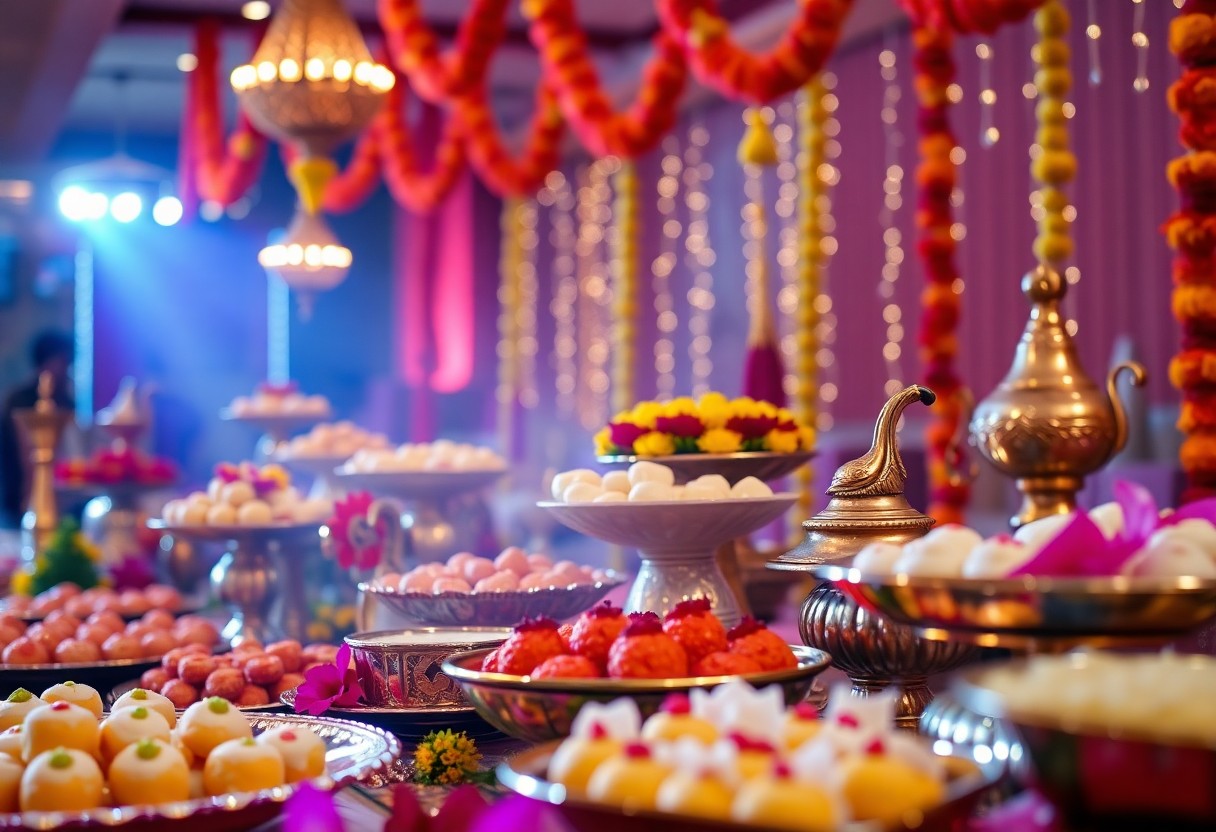
Presenting desserts in a way that reflects the festive spirit enhances the overall celebration. Using vibrant colors, intricate designs, and traditional motifs can transform a simple dish into a celebratory centerpiece. Incorporating seasonal elements such as flowers, fruits, or decorative plates can evoke a sense of joy and festivity. Whether it’s garnishing a rich rasgulla with fresh rose petals or arranging colorful ladoos in a decorative tray, presentation invites your guests to appreciate the artistry and thought that goes into your culinary creations.
Creative Plating Ideas for Celebratory Occasions
Plating your desserts creatively not only elevates their visual appeal but also heightens the dining experience. Consider using tiered stands for an inviting display of an assortment of treats like barfis and gulab jamun. Creating a color gradient with sauces or purees, drizzled artistically on the plate, adds sophistication. Edible flowers can serve as delightful embellishments, while themed decorations, such as mini sparklers or colorful rangoli patterns made from edible powders, can further convey the festive atmosphere while delighting your guests.
Packaging and Gifting: A Tradition Reimagined
Gift-giving during festivals is a cherished custom, and the presentation of desserts plays a key role in this practice. Elegant boxes, eco-friendly materials, and personalized touches can turn your sweets into unique gifts. Decorative containers not only protect the treats but also add to the aesthetic appeal. Consider utilizing handcrafted wrapping, festive ribbons, or customized labels that reflect your cultural heritage and personal flair. Delight your loved ones with thoughtfully packaged desserts that convey the heartfelt essence of the celebrations.
Packaging and gifting are evolving art forms that blend tradition with contemporary aesthetics. You can opt for sustainable packaging materials that reflect your commitment to the environment while maintaining elegance. Custom boxes adorned with traditional designs or your unique artwork can elevate the gifting experience. Additionally, including a handwritten note sharing your personal connection to the dessert adds a meaningful touch. With these personalized details, your desserts transform from mere treats into cherished gifts that carry the essence of festive celebrations, leaving a lasting impression on recipients.
To wrap up
On the whole, authentic Indian desserts are imperative to elevate your festive celebrations, each offering a unique flavor and cultural significance. From the rich, creamy textures of kheer to the fragrant and sweet notes of gulab jamun, these treats not only satisfy your sweet tooth but also enhance the joy of sharing moments with loved ones. Incorporating these desserts into your festivities allows you to honor traditions while bringing new dimensions to your culinary experiences. Embrace these delightful sweets to add richness to your celebrations and create lasting memories.