Sweets from Brampton bring centuries-old techniques and locally sourced ingredients to your table, offering nuanced flavors and textures that you won’t find in mass-produced confections. You experience handcrafted mithai, barfi and jalebi made to regional standards, while community trust, cultural events and consistent quality help these shops expand their reputation nationwide, making Brampton a destination you seek for authentic Indian sweets.
The Rich Heritage of Indian Sweets
Across Brampton you’ll encounter sweets that map India’s regional diversity-Bengal’s chena rasgulla, Punjab’s milk-based barfi, Gujarat’s besan laddoo-kept alive by families passing recipes down 3-4 generations; you see them at Diwali, weddings and langars, showing how these confections carry social, regional and emotional history into your neighborhood palate.
Historical Significance
You find sweets rooted in religious offerings and royal cuisine, with Mughal-era innovations in milk and sugar techniques and the 19th-century Bengal emergence of modern rasgulla; temples, courts and community festivals standardized many recipes, so your box of mithai often reflects centuries of adaptation and local identity.
Traditional Recipes and Techniques
Traditional methods demand precise control: you watch khoya made by reducing milk roughly 75-90% over low heat, chena for rasgulla kneaded to a satin texture, and sugar syrups heated to a one‑string consistency; specific timings, utensil choices and hand skills determine final texture and shelf life.
In practice you notice copper or heavy-bottomed pans preventing scorch, stirring every 5-10 minutes during reduction, and practices like aging khoya 12-24 hours to stabilize moisture; many Brampton sweet-makers report these small controls lower batch loss by about 10-20% and maintain consistent mouthfeel across daily production.
Popular Indian Sweets in Brampton
Gulab Jamun
Dense milk-based khoya or milk-powder dough is shaped into 3-4 cm balls, deep-fried and soaked in warm sugar syrup scented with cardamom and rose; you’ll find them served hot at weddings and Diwali dinners across Brampton. Vendors commonly sell boxes of 6-8 pieces or by weight, and many bakeries offer both traditional khoya gulab jamun and quicker milk-powder versions to suit your timeline and budget.
Barfi
Barfi arrives as diamond-cut squares made from condensed milk or slow-reduced khoya, often flavored with cardamom, saffron, or cocoa and studded with pistachio or cashew; you’ll see plain milk barfi, kaju (cashew) barfi, pista (pistachio) barfi, and seasonal twists like mango or chocolate in Brampton sweet shops. Presentation with edible silver leaf (varq) is common for festive orders and gift boxes.
Traditional barfi takes 3-4 hours of slow-cooking milk to develop the right texture, though commercial kitchens speed this up with condensed milk for consistency; refrigerated, it keeps 5-7 days, and many shops sell 250 g, 500 g and 1 kg boxes for parties. Pair it with strong masala chai or a cooling lassi, and you’ll notice texture differences-grainy kalakand versus smooth melt-in-your-mouth peda-style barfi.
The Rise of Indian Sweet Shops in Brampton
Market Growth
You can trace rapid growth to Brampton’s population of roughly 656,480 (2021) and the GTA’s South Asian community topping 1.2 million, which create steady demand. Independent mithai shops and family-run sweetmakers have multiplied along key corridors, expanding storefronts, wholesale supply to grocers, and online delivery; some operators report serving hundreds to thousands of customers weekly, turning seasonal spikes into reliable year‑round revenue streams.
Community Engagement
You’ll find these shops acting as community anchors: sponsoring Diwali events, supplying sweets for gurdwara and mosque functions, and running samosa-and-mithai pop-ups at local markets. Staff often speak multiple Indian languages, helping older residents place bulk orders, and many shops donate sweets for school fundraisers, reinforcing trust and repeat business across generations.
Beyond donations, you can spot deeper ties: several Brampton sweet shops host free ladoo and barfi workshops, partner with cultural associations to cater weddings-fulfilling hundreds of orders per season-and collaborate with Peel Region farms for milk and jaggery, keeping supply chains local while strengthening community networks.
Quality and Authenticity
You can taste Brampton’s edge in the first bite: the city (population 656,480 in 2021) supports dozens of dedicated mithai shops where recipes span 2-4 generations. Many producers combine traditional methods with Ontario Food Premises Regulation and Health Canada standards, so your kaju barfi or rasgulla isn’t just authentic, it’s consistently safe and traceable-ingredients, batch numbers, and production dates are routinely logged for quality and consumer confidence.
Sourcing Ingredients
You’ll notice labels like “Product of India” on cardamom and pistachios, while fresh milk and ghee often come from local Ontario dairies to shorten supply chains. Shops import specialty inputs-saffron strands, edible silver (varak), and khoya-then blend them with domestically sourced dairy to balance authenticity with freshness; that hybrid sourcing keeps texture and aroma true to regional recipes you expect.
Craftsmanship and Skill
You encounter artisans who learned techniques over decades: many families trace recipes through 3 generations and use precise methods-sugar syrup brought to one-string stage around 115-118°C, hand-rolled laddoos shaped to exact weight, and slow reduction of milk to khoya in brass ‘deg’ vessels. That hands-on expertise ensures consistency you can taste across batches.
You also see formalized skill transfer in Brampton shops: apprentices train 2-6 months under master halwais, chefs use candy thermometers with ±1°C tolerance for syrup stages, and shops maintain production logs to replicate texture and sweetness. Some businesses document recipes and timing down to minutes and grams, so your favourite mithai matches the memory you brought from back home while meeting Canadian food-safety expectations.
Cultural Impact
You see Indian sweets from Brampton shaping cultural calendars and consumer habits across Canada: specialties like ladoo, jalebi, barfi and gulab jamun appear on grocery shelves, at community fundraisers and in catering menus. Local family-run shops-dozens along key corridors-feed both daily routines and peak seasons, while online orders now ship provincialwide, turning Brampton into a hub that amplifies culinary traditions beyond the city limits.
Celebrating Festivals
During Diwali and Holi you’ll notice shops scaling up production to meet festival demand, supplying thousands of households and community events; many vendors offer festival boxes and bulk platters for pujas, school fairs and temple celebrations. Vendors report that weekend markets and temple bazaars in Peel and Toronto routinely sell out specialty sweets, so you often plan purchases early to secure seasonal favorites for family and workplace celebrations.
Bridging Communities
Beyond South Asian circles, your neighbors and colleagues increasingly discover mithai through multicultural festivals, workplace potlucks and food-tour itineraries, which converts casual tasters into regular customers. Supermarkets and café partners now stock popular Indian sweets, and you can find tasting pop-ups at farmers’ markets and cultural nights that introduce classic recipes to new audiences across age groups and backgrounds.
In practice you’ll see this bridge in measurable ways: community centre events attracting thousands include mithai stalls, school cultural nights order mixed sweet trays for 100-300 attendees, and halal or vegetarian options expand appeal. These concrete touches-sample stations, bilingual signage and adaptable portioning-help you and your community embrace Indian sweets as a shared culinary language, not just an ethnic specialty.
Customer Experience
Ambiance and Service
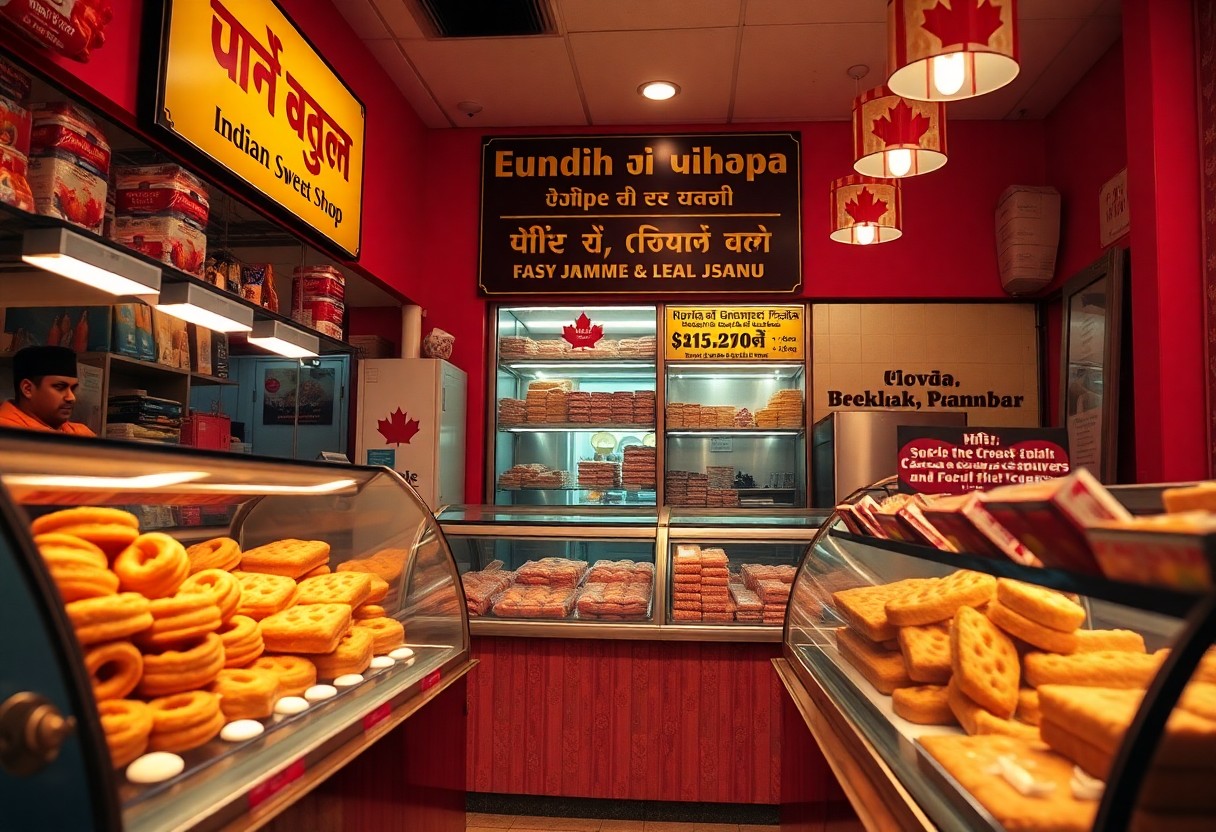
Step into a Brampton sweet shop and you’ll notice brass thalis, hand-painted jaali tiles, and marigold garlands creating a traditional feel; staff typically greet you in English and Punjabi, serving counter orders within about 3-7 minutes, while catering pickups are often scheduled within 24 hours. During Diwali or weddings you may wait 20-45 minutes, but numbered tokens and visible prep stations keep service orderly and transparent.
Customer Testimonials
You’ll find 300+ five-star reviews highlighting rasgulla’s springy texture and ladoo’s balanced sweetness, with wedding planners noting consistent batches for 100-200 guest orders. Many customers post photos and short videos, and recurring phrases include “authentic flavor” and “fresh same-day sweets,” which help you gauge reliability before ordering.
Dig deeper into testimonials and you’ll see useful details: reviewers often list order sizes, delivery punctuality, and dietary requests fulfilled. For example, a local food blogger’s 20,000-view post triggered a 150-person rush where jalebi sold out in three hours, illustrating how social proof and dated photos can confirm popularity, portioning, and turnaround for your event planning.
Conclusion
With this in mind, you understand why authentic Indian sweets from Brampton are winning hearts across Canada: handcrafted recipes, premium ingredients, regional variety, consistent freshness, and cultural authenticity resonate with your palate and nostalgia, while strong distribution and positive reviews guarantee access to genuine flavors nationwide.