Most people are fascinated by the diverse array of traditional Indian sweets, each with unique flavors and histories that reflect the country’s rich cultural tapestry. In this guide, you will explore the origins, ingredients, and preparation methods of these delectable treats, helping you appreciate the stories behind them. Whether you’re a novice cook or simply a sweet enthusiast, understanding these confections will enhance your culinary knowledge and offer you a deeper connection to Indian culture.
Types of Traditional Indian Sweets
- Milk-Based Sweets
- Flour-Based Sweets
- Syrup-Based Sweets
- Nuts and Dry Fruits Based Sweets
- Fried Sweets
Recognizing the diverse range of traditional Indian sweets can enhance your culinary experience and appreciation for this rich gastronomic heritage.
| Milk-Based Sweets | Includes treats like Gulab Jamun, Rasgulla, and Barfi. |
| Flour-Based Sweets | Comprises popular items such as Ladoo, Jalebi, and Kachori. |
| Syrup-Based Sweets | Encompasses varieties like Petha and Soan Papdi. |
| Nuts and Dry Fruits Based Sweets | Features confections like Kaju Katli and Mysore Pak. |
| Fried Sweets | Includes delicious options like Samosa and Karanji. |
Milk-Based Sweets
Milk-based sweets, often rich and creamy, are a highlight of Indian desserts. They rely heavily on dairy products like milk, khoya, and paneer. Iconic examples include Gulab Jamun, which are sweet, spongy balls soaked in syrup, and Rasgulla, soft cheese balls in sugar syrup. These sweets are celebrated for their flavor and texture, often served during festivals and special occasions.
Flour-Based Sweets
Flour-based sweets, characterized by their versatility, are typically made using refined flour or whole wheat flour and include numerous delicious varieties. Items like Ladoo, often rolled into balls, and Jalebi, a spiral shape dipped in syrup, demonstrate the creative use of flour in Indian confectionery.
Flour-based sweets often combine the basic elements of dough and sugar, allowing for both baked and fried varieties. They may be flavored with spices like cardamom or enriched with ingredients such as semolina or besan (gram flour). Expect textures ranging from crispy to soft, with irresistible sweet coatings that accentuate their flavors, showcasing the diversity in Indian culinary traditions.
Syrup-Based Sweets
Syrup-based sweets typically feature an enticing layer of sugar syrup that makes them decadent and moist. Examples include Petha, a translucent sugary treat from Agra, and Soan Papdi, known for its flaky texture and layered sweetness. These treats are often enjoyed during celebrations, embodying the festive spirit of Indian culture.
Syrup-based sweets often require meticulous preparation, as achieving the perfect consistency of syrup is important for the desired taste and texture. Many of these sweets can be served at room temperature and can last longer due to the syrup preserving moisture. Their sweet, rich flavors appeal to a wide range of palates, making them a staple in Indian dessert offerings.
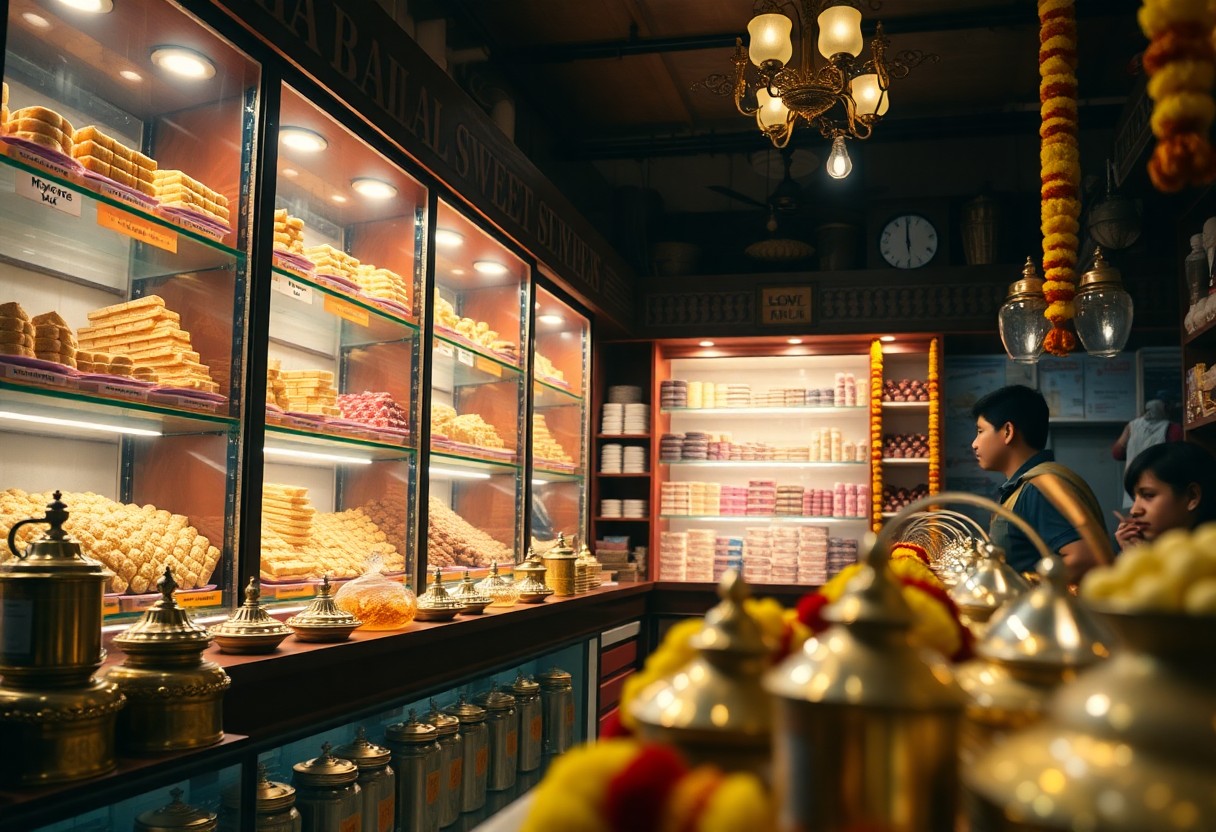
Origins and Cultural Significance
Traditional Indian sweets are deeply rooted in the cultural and historical tapestry of the subcontinent, often linked with festivals, celebrations, and rituals. Each region showcases unique sweets that reflect local ingredients and customs, making them a significant part of your culinary experience. These confections are not just treats; they symbolize love, prosperity, and affection in various ceremonies, bridging generations and communities.
Regional Variations
Your journey into Indian sweets reveals distinct regional variations that highlight local tastes and traditions. For instance, in Bengal, you will encounter the delicate sandesh and rasgulla, while in Punjab, the rich, creamy gulab jamun takes center stage. Southern India boasts treats like Mysore pak and payasam, showcasing the diversity in flavors and textures across states.
Historical Influences
Throughout history, various invasions and trade routes have influenced the development of traditional Indian sweets. Ingredients and culinary techniques were exchanged, leading to the creation of new flavors and recipes. For example, Mughal emperors introduced milk-based sweets like khoya and kheer, which became staples in Northern India.
Historical events, such as the arrival of Persian traders and the Mughal dynasty, significantly shaped the landscape of Indian confectionery. The Mughals, known for their love of opulent foods, infused rich dairy products and intricate cooking techniques into local cuisine, resulting in sweets that are both luxurious and diverse. Similarly, trade with foreign cultures brought sugar, nuts, and spices, enriching the palette of flavors. This blending of influences over centuries created a unique culinary heritage, where sweets are a fundamental aspect of social and religious gatherings. You can see this legacy reflected in the wide variety of traditional Indian sweets enjoyed today, each telling a story of its origins.
Tips for Making Indian Sweets
When preparing traditional Indian sweets, a few tips can enhance your success and ensure authentic flavors. Start with fresh ingredients, maintain patience during cooking, and follow recipes closely to achieve the desired texture and taste.
- Use fresh milk and cream for milk-based sweets.
- Pay attention to temperature to achieve correct consistency.
- Experiment with spices to elevate flavors.
- Practice techniques like kneading and molding for better results.
The quality of your ingredients plays a significant role in the outcome of your sweets.
Ingredients to Use
Your choice of ingredients significantly affects the authenticity and taste of Indian sweets. Opt for high-quality dairy products, freshly ground spices, and pure ghee. When working with nuts and dried fruits, ensure they are fresh and aromatic, as this enhances the flavor profile of your desserts.
Common Mistakes to Avoid
Avoiding common pitfalls is vital for making Indian sweets successfully. Many home cooks overlook the importance of precise measurements and timing, which can lead to inconsistencies in sweetness and texture. Furthermore, not allowing the right cooling time can disrupt the setting and overall quality of the sweets.
Make sure to measure your ingredients accurately. Rushing the cooking or cooling process often results in improperly set sweets. For instance, undercooking khoya will yield a sticky and unmanageable sweet, while overcooking will make it dry and crumbly. Additionally, neglecting to deeply infuse flavors can result in bland sweets that don’t reflect the traditional taste you aim for. The key is to take your time and focus on the right details to create authentic Indian sweets.
Step-by-Step Guide to Popular Sweets
| Sweets | Ingredients & Steps |
|---|---|
| Gulab Jamun | Milk solids, flour, sugar, cardamom, rose water; knead dough, shape balls, deep fry, soak in syrup. |
| Jalebi | Flour, yogurt, sugar, saffron; make batter, pipe into hot oil, fry, soak in syrup. |
| Kaju Katli | Cashews, sugar, ghee; grind cashews, cook with sugar, set, cut into diamonds. |
Gulab Jamun
For a delightful treat, Gulab Jamun blends fried dough balls made from milk solids soaked in fragrant sugar syrup. Originating from Persian influence, the dish has become a beloved classic across Indian festivities. You’ll appreciate the soft texture and sweet aroma that fills the air as you prepare this delicacy, making it a centerpiece at any celebration.
Jalebi
Jalebi is a crispy, circular sweet that has a wonderful combination of crispy exteriors and a juicy, syrupy center. The batter is fried into spiraled shapes and then soaked in sugar syrup. As you prepare this festive delight, you might find the vibrant orange color and distinct flavor profile irresistible, ensuring you serve it hot for the best taste.
To make Jalebi, you need to ferment the batter for a few hours, allowing it to develop a tangy flavor. The frying technique is paramount; achieving the right temperature ensures the perfect crunchy texture. Once soaked in sugar syrup infused with cardamom and saffron, the result is a luxury sweet experience that embodies the essence of Indian dessert culture.
Kaju Katli
Kaju Katli is an elegant sweet made from finely ground cashews, combined with sugar and ghee. Known for its rich, nutty flavor and smooth texture, this treat is often garnished with edible silver leaf. It holds an esteemed place in celebrations, conveying both simplicity and luxuriousness in each bite.
When making Kaju Katli, achieving the right consistency during the cooking process is key. The ground cashews need to be cooked gently with sugar until it forms a dough-like ball. Cooling it to the right temperature before rolling out ensures perfect diamond-shaped pieces. This treat not only delivers exceptional taste but also showcases the craftsmanship of traditional Indian confections.
Key Factors Influencing Taste and Texture
Several key factors contribute to the delightful taste and texture of traditional Indian sweets. These include the quality of ingredients, the skill of the cook, and various cooking techniques. Each factor plays a pivotal role in the final product, impacting its flavor, moisture, and mouthfeel. Factors like the purity of sugar and the freshness of dairy can significantly affect the sweetness and creaminess. Additionally, the cooking method can lead to varying textures, from soft and chewy to crisp and flaky.
- Ingredient quality
- Cooking techniques
- Regional variations
- Tradition and recipe
- Seasonal availability
Recognizing these elements helps you appreciate the artistry behind every sweet.
Cooking Techniques
The method of preparation greatly influences the final product’s taste and texture. For example, deep-frying can create a crispy outer layer, while slow-cooking allows flavors to meld beautifully. Techniques like tempering spices enhance aromas, while precise boiling times ensure optimal syrup consistency. Each technique has been honed over generations, contributing to the unique character of each sweet.
Ingredient Quality
High-quality ingredients serve as the foundation for exceptional sweets. Fresh milk, pure ghee, and authentic spices elevate flavors and textures, distinguishing premium sweets from average ones. Poor-quality ingredients result in bland tastes and inconsistent textures, whereas top-notch components provide the rich, vibrant flavors typical of traditional Indian confections.
When sourcing ingredients, consider local markets or trusted suppliers known for fresh dairy and natural sweeteners. For instance, using organic jaggery instead of refined sugar can introduce complex flavors and a deeper sweetness profile. Similarly, the region-specific saffron or cardamom can impart unique qualities to your sweets. Quality ingredients not only enhance flavor but also uphold the traditional essence of these culinary treasures, making the final product both authentic and delicious.
Pros and Cons of Traditional Indian Sweets
| Pros | Cons |
|---|---|
| Rich in cultural heritage | High sugar content |
| Diverse flavors and textures | Can contribute to weight gain |
| Often made with natural ingredients | May trigger allergies (e.g., nuts) |
| Common in festive celebrations | Usually high in calories |
| Provides a sensory experience | Not suitable for diabetics |
| Can be a source of community bonding | May cause dental issues |
| Support local artisans | Quickly consumed in large quantities |
| Variety caters to different tastes | May contain artificial colors/flavors |
| Celebrates regional diversity | Time-consuming to prepare |
| Can be nutritious (e.g., using lentils) | Potential for inconsistent quality |
Health Considerations
Your indulgence in traditional Indian sweets requires mindfulness towards health implications. The high sugar and calorie content can lead to weight gain and other health issues when consumed excessively. However, choosing sweets made with natural ingredients and portion control allows for a balanced approach. Including sweets made with lentils or fruits can offer nutritional benefits while satisfying your sweet cravings.
Festive and Cultural Role
Traditional Indian sweets play a pivotal role in cultural and festive occasions, symbolizing joy, generosity, and hospitality. During major festivals like Diwali and Eid, sharing sweets with family and friends is a cherished custom. These sweets often come with unique regional variations, reflecting the local culture and traditions. From Modaks in Ganesh Chaturthi to Kaju Katli during Diwali, each sweet carries stories and significance that resonate with various communities across India.
The cultural importance of sweets extends beyond mere consumption; they are integral to rituals and celebrations. Offering sweets during pujas (prayers) or presenting them to guests fosters a sense of belonging and respect. Additionally, sweets are often linked to significant life events such as weddings and childbirth, marking transitions and blessings. By engaging with these culinary traditions, you connect with the rich tapestry of Indian heritage, making each bite meaningful.
To wrap up
Summing up, you now have a clearer understanding of traditional Indian sweets and their rich origins. Each sweet not only delights your palate but also carries a story that reflects the diverse culture and history of India. By exploring these treats, you embrace the flavors of tradition and celebrate the heritage that has been passed down through generations. Your journey into the world of Indian sweets is not just a culinary adventure but also a deep examine the vibrant tapestry of Indian culture.