Over the vibrant tapestry of Indian culture, sweets play a pivotal role, especially during festivals. Choosing the right traditional sweets can enhance your celebrations and delight your guests. This guide will help you navigate the diverse array of options, from delightful mithai to irresistible desserts, ensuring you select the most enchanting treats that resonate with your festive spirit. Get ready to indulge your taste buds and elevate your festival experience with the perfect sweet selections that embody the essence of tradition.
Understanding Traditional Indian Sweets
A deep explore the world of traditional Indian sweets reveals a myriad of flavors, textures, and cultural significance. These sweets, often made from ingredients like milk, sugar, and a variety of nuts, are integral to festivals and celebrations across the country. With their rich heritage and delightful taste, they not only satisfy your sweet cravings but also provide a glimpse into the culinary traditions of India.
Popular Types of Sweets
Types of traditional Indian sweets can be broadly categorized into a variety of types, each with its unique preparation method, taste, and appeal. Here’s a simple overview of some popular types:
| Type of Sweet | Description |
| Ladoo | Round sweets made from flour and sugar, often mixed with nuts and dried fruits. |
| Barfi | A dense, milk-based sweet that can be flavored with fruits or spices. |
| Halwa | A rich, pudding-like dessert made from ingredients such as semolina, flour, or carrots. |
| Jalebi | Crispy, spiraled sweets soaked in sugar syrup, known for their vibrant color. |
| Gulab Jamun | Small, round dumplings made from milk solids and soaked in rose-flavored syrup. |
- These various types of sweets serve as symbols of joy during festivals.
- They are often given as gifts to express love and goodwill.
- The ingredients can vary based on region and availability.
- Many sweets have specific ritual significance in different cultural practices.
- Assume that each type reflects the rich diversity of India’s culinary landscape.
Regional Variations
Traditional Indian sweets also exhibit remarkable regional variations, reflecting local ingredients, flavors, and culinary techniques. Each state has its specialties, making the experience of sampling these sweets a delightful exploration of India’s vast cultural tapestry. In the southern regions, for instance, sweets like Mysore Pak and Payasam would delight your taste buds with their unique textures, while in the north, one might savor the rich flavors of Kheer and Peda.
Variations in traditional sweets are often a testament to the local agricultural products and the creativity of regional chefs. In Bengal, the mastery of sweet-making culminates in famous treats like Rasgulla and Sandesh, showcasing the use of chenna (fresh cheese) as a primary ingredient. Likewise, the use of coconut in southern Indian sweets adds a tropical twist that completely transforms the flavor profile you experience. This cultural diversity is one of the many reasons to embrace the enchanting world of Indian sweets for your next festival celebration.
Factors to Consider When Choosing Sweets
While selecting traditional Indian sweets for your forthcoming festival, you must account for various factors to ensure you choose the best options. The rich variety of textures, flavors, and ingredients can significantly impact your choice. Here are some elements to think about:
- Flavor profiles – sweet, spicy, or savory
- Ingredients used – nuts, milk, or sugar
- Presentation – well-packaged and visually appealing
- Regional specialties – local versus popular choices
Perceiving these elements can aid in making an informed selection that will surely delight you and your guests during the celebrations.
Taste Preferences
While each individual has unique taste preferences, it is important to consider the flavors that resonate best with you and your family. Traditional Indian sweets come in various flavors such as cardamom, rose, saffron, and coconut, each offering a distinctive taste experience. Understanding your household’s favorites can provide direction in selecting desserts that will be universally enjoyed.
Additionally, opting for a variety of sweets can cater to mixed preferences, ensuring that everyone has something they cherish. It can be an opportunity to introduce less familiar sweets to your family, expanding their palate while celebrating tradition.
Dietary Restrictions
With the growing awareness of dietary restrictions and preferences, it’s imperative to keep these in mind when selecting traditional Indian sweets. Some individuals may be lactose intolerant, gluten-sensitive, or follow specific dietary practices that exclude certain ingredients. Identifying any specific needs in your group can prevent unappetizing scenarios and make your celebration inclusive and enjoyable for everyone.
For instance, you might find gluten-free options like besan ladoos or vegan variants of popular sweets like coconut barfi. By ensuring you have a diverse assortment catering to different dietary needs, you can create an atmosphere that honors everyone’s preferences while still indulging in the joy of traditional sweets.
How to Pair Sweets with Festivals
Once again, the essence of Indian festivals is deeply intertwined with the joy of sharing and indulging in traditional sweets. Each festival carries its own unique significance and traditions, which can beautifully guide you in selecting the most enchanting sweets to celebrate these occasions. By understanding the themes and customs associated with specific festivals, you can elevate your celebrations and create lasting memories for yourself and your loved ones. This will enhance your festivities and engage individuals of all ages, reminding you of the beauty and diversity of Indian culture.
Sweets for Diwali
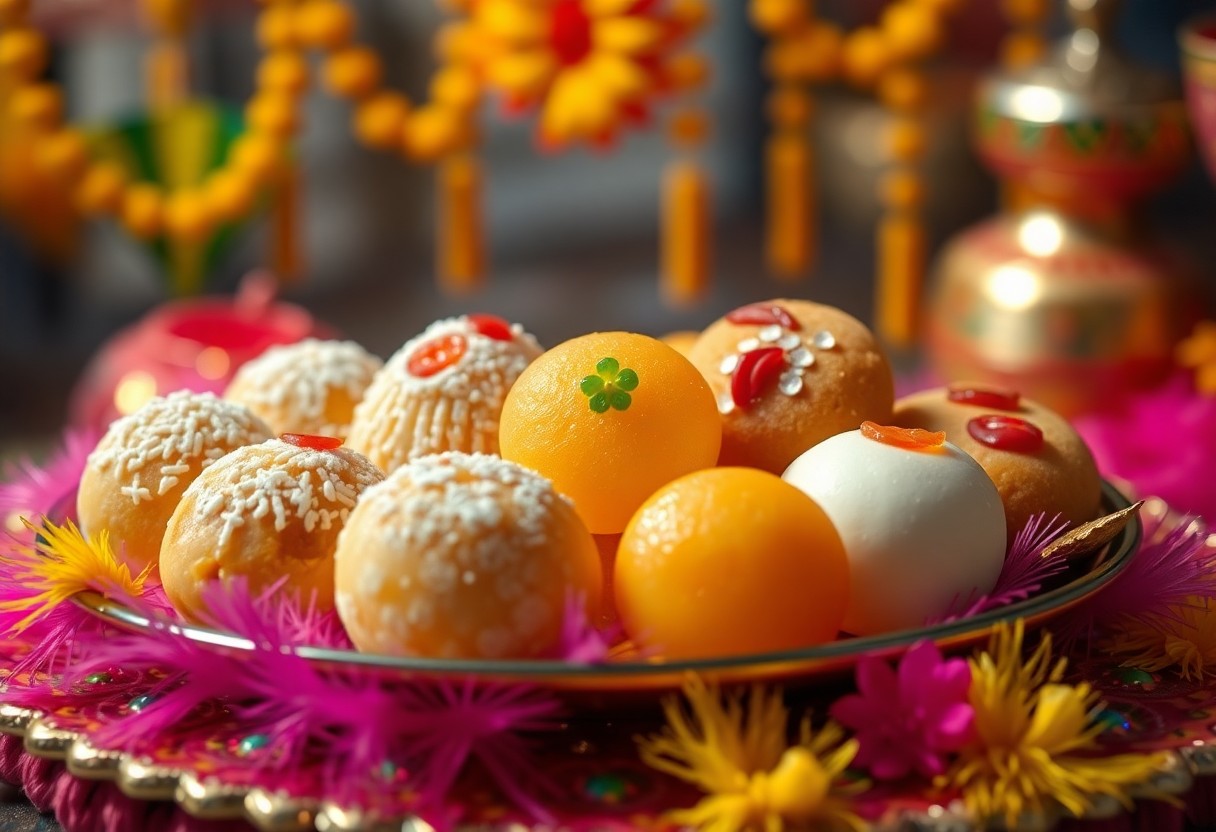
Some of the most popular sweets for Diwali include the iconic gulab jamun, enticing barfi, and delightful ladoos. The festival of lights is celebrated with grandeur and abundance, and sweets play a pivotal role in spreading joy and positivity. When choosing sweets for Diwali, opt for a colorful assortment that reflects the bright festivities. Sweets like kaju katli, which are made from cashews and sugar, symbolize prosperity and wealth, making them an ideal choice for gifting and sharing during this auspicious time.
Sweets for Eid
Now, let’s explore the delightful world of Eid sweets, which reflect the spirit of generosity and togetherness during the festival. Traditional treats such as sheer khurma, mawa jalebi, and seviyan take center stage during this beautiful occasion. When selecting sweets for Eid, consider incorporating a mix of flavors, textures, and ingredients that resonate with the celebratory mood of the festival. Sweets like baklava, drenched in syrup and packed with nuts, symbolize abundance and are perfect for sharing with family and friends.
Sweets are not only a treat for the taste buds but also a way to express love and gratitude during Eid. By offering beautifully presented sweets to friends and family, you are upholding the values of sharing and togetherness that are deeply rooted in the spirit of the festival. Opt for rich flavors and aromatic ingredients, such as cardamom and saffron, to add an element of warmth and familiarity to your Eid celebrations.
Tips for Selecting Quality Sweets
To ensure that your selection of traditional Indian sweets is both delightful and memorable, focus on quality rather than quantity. When exploring various options, consider the following tips:
- Check for freshness – opt for sweets that have been made recently.
- Observe the texture – avoid sweets that appear too dry or overly oily.
- Pay attention to packaging – quality sweets often come in exquisite packaging that reflects their premium status.
- Inquire about ingredients – high-quality sweets should list natural ingredients without any artificial additives.
The right choice not only elevates your festival experience but also dazzles your guests.
Ingredients to Look For
There’s a distinct difference in taste and quality when it comes to the ingredients used in traditional sweets. You should look for sweets that are prepared with fresh, natural components like pure ghee, jaggery, and organic nuts. Avoid sweets that contain preservatives or artificial flavors, as they can detract from the authenticity of the experience.
Additionally, pay attention to the type of sugar used. Sweets made with unrefined sugar or jaggery not only taste better but also offer a healthier alternative to white sugar. By focusing on high-quality ingredients, you ensure that your festive treats are not only delicious but also contribute positively to your well-being.
Authenticity and Sourcing
The authenticity of traditional Indian sweets can make a big difference in their taste and cultural significance. When identifying sweets, consider the source from which they originate. Choose reputable sweet shops or artisan makers known for preserving traditional recipes and methods. These establishments often take pride in their craftsmanship, ensuring that you receive sweets with authentic flavors that reflect regional diversity.
Selecting sweets from well-established brands or local artisans can lead you to hidden gems that are not available in mass-produced options. By prioritizing authentic sources, you not only support local businesses but also enrich your festival celebrations with genuine flavors that tell a story.
Exploring Homemade vs. Store-bought Sweets
Many people often find themselves torn between homemade and store-bought sweets when preparing for a festival. Each option offers unique benefits that cater to different preferences and occasions. While homemade sweets may take more effort, they often carry the warmth and nostalgia of family traditions, making them a delightful addition to your festive table. Conversely, store-bought sweets provide convenience and a wider variety, which can be especially useful if you are short on time or looking to explore new flavors without the hassle of preparation.
Benefits of Homemade
Sweets made at home allow you to have full control over the ingredients, ensuring that you can cater to any dietary preferences or restrictions. This means you can choose absolutely fresh ingredients and avoid preservatives that are often found in commercial sweets. Making sweets at home also gives you the opportunity to create something unique or personal, perhaps by using a cherished family recipe that has been passed down through generations. Whether it’s crafting rich, decadent laddoos or delicate, flaky kites, handmade sweets are sure to impress your family and friends during the festivities.
Choosing the Right Store
Even when opting for store-bought sweets, it’s vital to take some time to select the right shop. Quality should always be your top priority, so look for stores specializing in traditional Indian sweets that have a good reputation in your community. Checking for customer reviews or getting recommendations can help you find the best options available. Pay attention to how the sweets are displayed and maintained; clean and well-organized shops are likely to offer fresher, more delectable treats.
This is also a great opportunity to explore local sweet shops that may offer unique regional sweets that you haven’t tried before. Each region in India has its own specialty, and indulging in these local flavors can enhance your festival experience significantly. If possible, visit during peak hours and observe the crowd; a busy shop is often a sign of quality, as more customers typically indicate high demand for their sweets. By choosing wisely, you can ensure that your festival’s sweet offerings will be crowd-pleasers, no matter which option you go for.
Presentation and Serving Suggestions
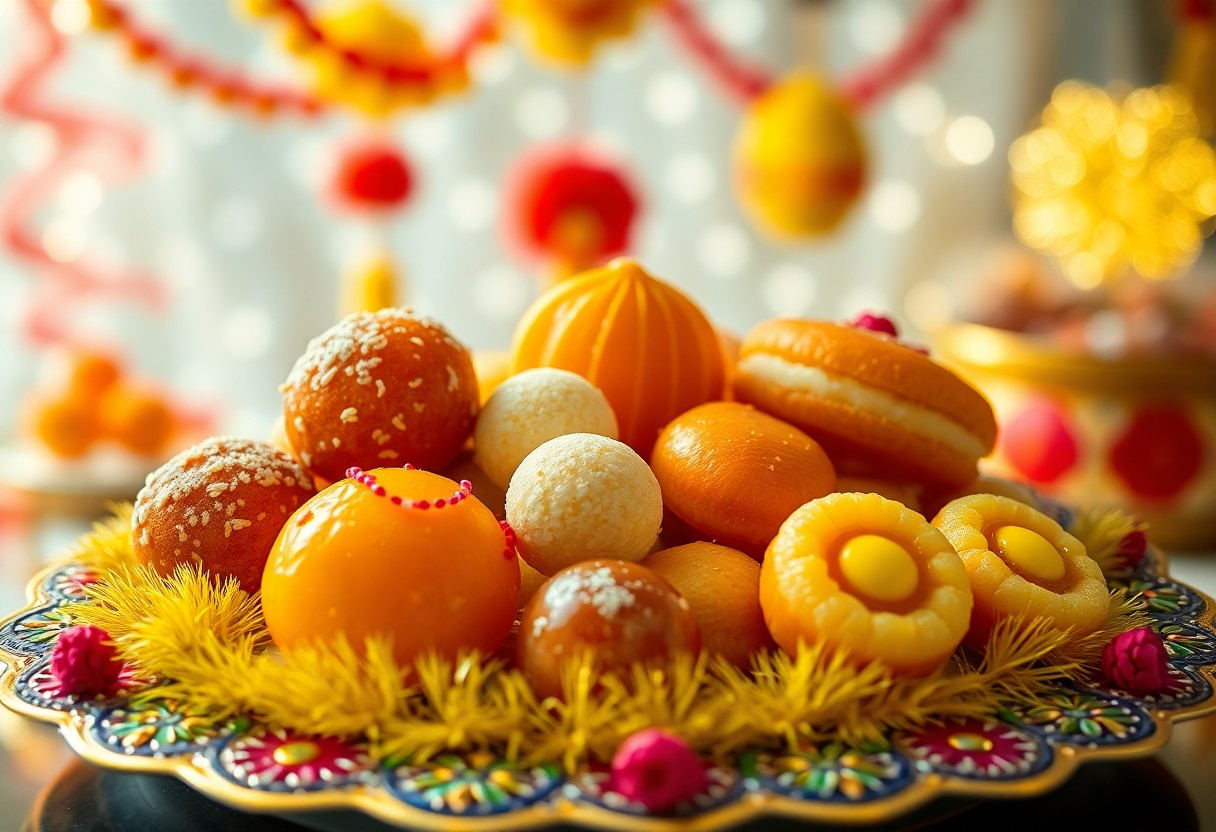
For a truly captivating presentation of traditional Indian sweets during your next festival, consider the various elements that enhance both the visual appeal and overall experience. Arrange the sweets on ornate platters or decorative trays that align with the theme of your celebration. Incorporating vibrant colors is key; use them to reflect the joyous spirit of the festival. You can add lush green leaves or delicate flower petals as garnishes to elevate the aesthetics even further, ensuring your guests are as attracted to the display as they are to the sweets themselves.
Moreover, the way you serve the sweets can drastically impact your guests’ experience. To create a sense of occasion, you might think about incorporating various serving sizes, such as bite-sized pieces or small bowls of assorted sweets, allowing your guests to sample a variety of flavors. Don’t shy away from pairing your sweets with traditional accompaniments like rasmalai with chilled milk or laddus with a hot cup of chai, expanding their flavors and textures for a delightful tasting experience.
Creative Serving Ideas
The use of innovative serving ideas can make your sweets stand out even more. Consider presenting desserts in tiny, decorative jars or glasses, allowing guests to enjoy the sweets while adding a unique twist. You can also opt for a ‘sweet bar’ setup where guests create their own plates by choosing from an assortment of different treats, garnishes, and dips. This not only adds an element of fun but also encourages interaction amongst your guests as they assemble their perfect combinations.
Another option is to incorporate themed elements into your presentation. For instance, if you are celebrating Diwali, use earthen diyas (lamps) and marigold flowers alongside your sweets to enhance the festive vibe. Try matching the colors of your sweets with the decorations around your venue to create a cohesive and enchanting atmosphere that captivates everyone.
Traditional Ways to Serve
Suggestions for serving traditional Indian sweets typically include a focus on showcasing cultural practices that reflect the heart of the cuisine. Placing sweets in traditional brass, silver, or wooden boxes adds an authentic touch, while serving them alongside traditional beverages like masala chai or thandai can enhance the flavor palate. Additionally, utilizing banana leaves or small handmade plates can give your presentation a rustic twist, honoring the age-old practices often seen in Indian households.
Another suggestion is to serve your sweets according to the specific regional customs associated with them. For instance, if you’re serving kaju katli, pairing it with a rich kheer could balance the richness of the sweet, while presenting gulab jamun in a bowl of warm syrup adds to the indulgent experience. By respecting the traditional serving methods, you not only honor the history behind each sweet but also elevate the overall experience for you and your guests during your festival celebrations.
To Wrap Up
With these considerations, you can easily select the most enchanting traditional Indian sweets for your next festival. Think about the preferences of your guests, as well as any dietary restrictions they may have. By understanding the various regional specialties such as Gulab Jamun from North India or Mysore Pak from the South, you can offer a diverse range that reflects the rich tapestry of Indian culture. Take into account the occasions and themes of your celebrations, ensuring that the sweets align with the spirits you wish to convey.
Additionally, the presentation of these sweets can elevate your festival experience. Choose vibrant, beautifully packaged sweets that not only taste delightful but also look appealing on your table. Your selections can create an inviting atmosphere, encouraging joyful interactions among guests. By keeping these elements in mind, you can curate a selection of traditional Indian sweets that will enchant your guests and make your festival a memorable celebration.