It’s fascinating to see how Indian sweets have transformed in Canada, adapting to contemporary tastes while honoring traditional recipes. You can trace this evolution from the classic mithai shops that once dominated the scene to the innovative modern bakeries that now offer a diverse array of sweet treats. This blog post investigates into the journey of Indian sweets in Canada, highlighting their cultural significance and the new flavors emerging from this dynamic fusion of culinary traditions.
Historical Context of Indian Sweets in Canada
Understanding the historical backdrop of Indian sweets in Canada reveals a tale of migration and adaptation. As early as the 1960s, Indian immigrants began establishing themselves in Canadian cities, bringing their culinary traditions with them. These sweets, deeply rooted in Indian culture, represented not only dessert but also a link to home and heritage, serving as a means of celebrating festivals and family gatherings far from their homeland.
Early Migration and Cultural Exchange
Your encounter with Indian sweets in Canada often began with the waves of migration from India in the 1960s and 70s. These early settlers brought an array of culinary traditions, including the art of making traditional sweets like gulab jamun and jalebi, which quickly became integral to community events and cultural festivals, fostering a sense of belonging in a new land.
The Role of Mithai Shops
Mithai shops emerged as vital cultural hubs within the Indian diaspora, providing not only sweet treats but also a space for community gathering. Often family-run, these stores offered authenticity in flavor and tradition, stocking beloved sweets that connected you to your roots while also introducing others to the rich tapestry of Indian dessert culture.
As you explored these mithai shops, you’d find nostalgia in each bite of rasgulla and barfi, crafted with recipes passed down through generations. These shops catered not just to Indian customers but also piqued the interest of diverse local populations seeking unique flavors. With time, many mithai shops evolved to adopt modern marketing strategies while maintaining traditional recipes, solidifying their place as a cornerstone in the multicultural landscape of Canadian sweets. Their continued success demonstrates the power of culinary heritage in building community and fostering cultural exchange.
The Transition to Modern Bakeries
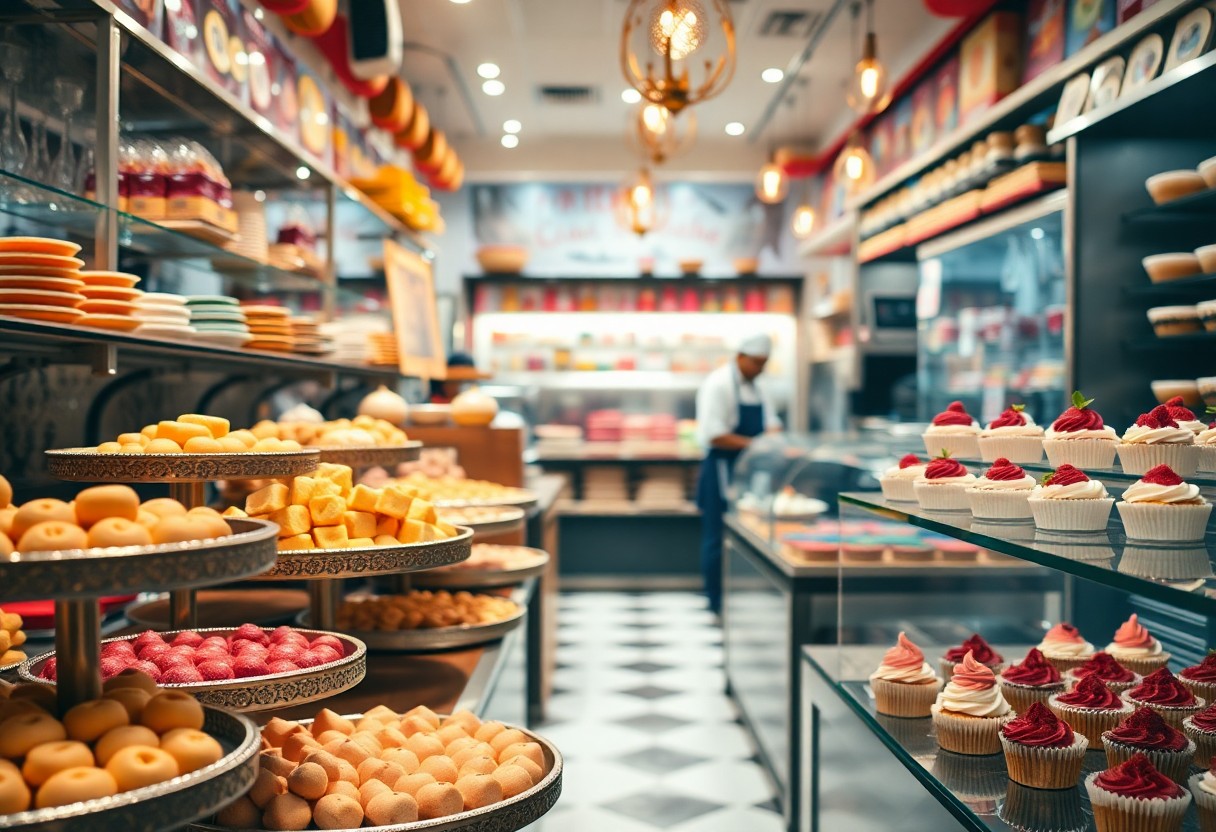
The shift from traditional mithai shops to modern bakeries in Canada has transformed the landscape of Indian sweets. You can find artisanal bakeries that blend age-old recipes with contemporary techniques, offering a wide array of options that appeal to diverse palates. This evolution reflects a growing demand for gourmet and aesthetically pleasing desserts, with many bakeries focusing on quality ingredients while retaining authentic flavors.
Introduction of Fusion Desserts
Fusion desserts have gained immense popularity, combining classic Indian sweet elements with global influences. You might come across items like gulab jamun cheesecakes or rasgulla tiramisu that marry the richness of Indian flavors with modern dessert styles, appealing to a broader audience. These creations not only showcase creativity but also invite experimentation in traditional flavors.
Changes in Consumer Preferences
Consumer preferences have shifted towards health-conscious options and innovative flavors. You’re likely to see a rise in demand for gluten-free, vegan, and low-sugar alternatives that still provide a delightful taste experience. Bakeries are responding by incorporating superfoods and seasonal ingredients, making Indian sweets more accessible and appealing to health-conscious customers.
Understanding these changes helps you appreciate how modern bakeries are meeting the evolving expectations of your taste buds. The emphasis on health and inclusivity is paramount; for instance, bakeries are creating plant-based versions of traditional sweets and reducing refined sugars, ensuring that everyone can indulge without guilt. Moreover, social media plays a significant role in shaping these preferences, as visually striking desserts become trending topics, motivating bakeries to innovate continuously.
Key Ingredients and Techniques
Modern Indian sweets in Canada showcase a blend of traditional and contemporary ingredients that enhance flavor and texture. You’ll find staples like khoya, sugar, and cardamom coexisting with local elements such as maple syrup and dairy sourced from Canadian farms. This fusion not only preserves the essence of Indian sweets but also caters to a broader range of palates, giving rise to exciting new varieties.
Traditional vs. Contemporary Methods
Traditional methods of making Indian sweets often involve labor-intensive techniques passed down through generations. In contrast, contemporary methods leverage technology, using ovens and mixers to streamline production. You may notice that modern bakeries now offer quick-to-make versions of classic mithai, making these treats more accessible without sacrificing their authentic taste.
Adaptation to Local Tastes
Adapting Indian sweets to local Canadian tastes involves experimenting with flavors, textures, and presentations. Bakeries are infusing traditional recipes with local ingredients, creating hybrids like saffron-infused butter tarts or chocolate gulab jamun. This creative approach bridges cultural divides and appeals to both South Asian consumers and adventurous locals, opening up a world of fusion desserts.
Bakeries in Canada also take advantage of seasonal ingredients, using local fruits or spices that resonate with Canadian preferences. For example, you can find delicious rasgulla made with locally sourced dairy or paneer, elevating the classic dish while maintaining its authenticity. Integrating Canadian flavors, like using berries in milk-based sweets, not only enhances appeal but also fosters a sense of community and collaboration within the culinary landscape.
The Rise of Ethnic Bakeries
Ethnic bakeries have surged in popularity across Canada, bringing traditional Indian sweet-making techniques to urban centers. You’ll find establishments offering a diverse range of Indian sweets, from rich gulab jamun to flaky baklava, catering to both South Asian communities and a broader clientele intrigued by these flavors. This trend signifies a cultural shift where the appreciation for authentic ethnic foods has become mainstream, leading to a flourishing bakery scene that celebrates diversity.
The Impact of Increasing Demand
The demand for Indian sweets has skyrocketed, particularly during cultural festivals and celebrations. You may notice that stores offering these delicacies often see lines stretching out the door, reflecting a growing curiosity among non-Indian consumers. Statistics show that ethnic foods accounted for over 7% of Canada’s grocery sales in recent years, fueling the expansion of bakeries that specialize in Indian sweets.
Community Support and Growth
Community support has played a pivotal role in the expansion of ethnic bakeries. You’ll often find local neighborhood groups rallying around these businesses, whether through word-of-mouth recommendations or social media campaigns highlighting new offerings. This grassroots advocacy has helped bakeries thrive in competitive markets, setting the foundation for successful ventures that attract varied audiences.
Local festivals and cultural fairs have become platforms for ethnic bakeries to showcase their goods, allowing you to engage directly with the community. Collaborations between bakeries and local organizations further solidify connections, often resulting in exclusive promotions or themed events. This network not only fosters loyalty among existing customers but also invites curious food lovers to experience the vibrant tastes of Indian sweets, ensuring the longevity and sustainability of these businesses within the multicultural tapestry of Canadian society.
Challenges Faced by Indian Sweet Makers
As the Indian sweet-making industry evolves in Canada, challenges persist. Factors such as fluctuating ingredient prices, regulatory compliance for food safety, and limited access to traditional raw materials can hinder operations. Many sweet makers struggle to carve a niche in a competitive landscape, attempting to balance authenticity with modernization while catering to diverse consumer preferences.
Competition with Mainstream Bakeries
You navigate a difficult landscape where mainstream bakeries dominate the market with their variety and marketing muscle. These establishments often enjoy economies of scale, allowing them to offer attractive prices and promotions that can overshadow niche sweet shops. To survive, Indian sweet makers must find creative ways to differentiate their offerings and highlight their unique cultural heritage.
Preservation of Authenticity
Maintaining the authenticity of traditional recipes poses a significant challenge as you adapt to Canadian tastes. While innovation attracts a broader audience, modifying beloved recipes can risk diluting their cultural significance. Balancing this delicate act requires a commitment to preserving age-old techniques while also introducing flavors that resonate with contemporary palates.
With increasing consumer interest in authentic ethnic cuisine, your struggle to uphold traditional sweet-making techniques becomes even more pressing. Sweets like gulab jamun and jalebi demand specific ingredients and methods that connect you to your cultural roots. For instance, sourcing pure khoya made from whole milk is imperative for preserving the creaminess of your products. You may seek partnerships with local dairies or import ingredients, yet the quest for authenticity often comes at a higher cost. Consequently, striking a balance between innovation and tradition is critical for your success in the Canadian market.
Future Trends in Indian Sweets
Emerging trends in Indian sweets indicate a fusion of traditional flavors with modern techniques, creating unique offerings that cater to diverse palates. You can expect an increase in healthier alternatives, with many bakeries using organic ingredients and reducing sugar without compromising taste. Moreover, the growing popularity of plant-based diets will inspire innovative adaptations that include vegan and gluten-free versions of classic Indian sweets, appealing to a broader audience.
Innovative Approaches and Collaborations
Some bakeries are experimenting with cross-cultural collaborations that blend Indian sweets with international desserts, providing exciting new experiences for customers. For instance, consider how certain establishments are combining flavors like saffron and pistachio with techniques from French patisserie, resulting in hybrid creations like pistachio macarons filled with rasmalai cream. This approach not only elevates traditional Indian sweets but also attracts a younger, adventurous demographic eager for novel culinary experiences.
Expanding the Market Reach
To effectively expand your market reach, consider utilizing digital platforms and social media marketing strategies. Numerous ethnic bakeries have successfully engaged customers through visually appealing content, showcasing their sweets’ intricate designs and vibrant colors online. Participating in local food festivals and partnering with restaurants can also enhance visibility, drawing in customers from diverse backgrounds and allowing you to share the rich heritage of Indian sweets with a wider audience.
Increasing your presence in local farmers’ markets can create significant opportunities as well. By setting up stalls, you can interact directly with consumers, offering samples to entice potential customers. Collaborations with popular food delivery services can drive online sales too, as consumers increasingly seek convenience in their dessert options. As you promote a mix of traditional recipes and innovative twists, you’re not just expanding market reach but also promoting a deeper appreciation for the rich cultural narrative behind Indian sweets in Canada.
To wrap up
Presently, you can observe the dynamic transformation of Indian sweets in Canada, from traditional Mithai shops to contemporary bakeries that blend cultural heritage with innovative flavors. This evolution not only showcases the adaptability of these confections but also reflects your growing appreciation for diverse culinary experiences. By exploring these modern interpretations, you embrace a rich tapestry of tastes that honor the past while catering to today’s preferences. As you savor these delightful creations, you participate in the ongoing journey of Indian sweets in a vibrant multicultural landscape.