Gulab Jamun and Rasgulla are not just desserts; they are symbols of Indian culture that have made a remarkable journey to Canada’s bakery scene. As you explore this evolution, you’ll discover how these traditional sweets have transformed, adapting to new tastes and culinary trends while retaining their essence. You’ll also learn about their historical significance and the innovative ways they are being incorporated into modern recipes, bridging the gap between two rich culinary traditions. Join us as we probe deeper into this sweet story of fusion and creativity.
The Cultural Significance of Gulab Jamun and Rasgulla in Indian Cuisine
These sweets represent more than just indulgence; they are deeply interwoven into the cultural fabric of Indian cuisine. Each bite of Gulab Jamun and Rasgulla resonates with traditions and values, often evoking nostalgia and feelings of home. These desserts convey a sense of community and celebration, making them indispensable at festivals, weddings, and family gatherings. As you indulge in these delicacies, you’re not just tasting a treat; you’re experiencing a cherished legacy that has thrived for generations.
Historical Origins of Popularity
The origins of Gulab Jamun and Rasgulla can be traced back centuries, with roots steeped in historical anecdotes and culinary innovations. Gulab Jamun is believed to have been derived from Persian pastries, making its way to India during the Mughal period, while Rasgulla is said to have originated in Odisha, celebrated for its spongy texture and syrupy sweetness. These sweets quickly gained traction across regions, evolving with local tastes, becoming favorites in households and restaurants alike.
Rituals and Celebrations Featuring These Sweets
Gulab Jamun and Rasgulla hold significant roles in various Indian festivals and ceremonies. They grace the tables during Diwali, Eid, and weddings, symbolizing joy, prosperity, and togetherness. Offering these sweets to guests is considered a mark of hospitality, showcasing the importance of sharing and celebrating relationships. During festivals like Holi, their vibrant flavors enhance the spirit of the occasion, uniting families and communities in the collective act of enjoyment.
At weddings, you might notice a multi-tiered cake of Rasgulla or a delightful Gulab Jamun station where guests can customize their servings, reflecting the individual tastes and traditions of different regions. Additionally, rituals such as the ‘Kheer’ ceremony at engagement parties often feature these sweets, emphasizing their cultural significance. Across seasonal festivals, you’ll find families preparing these delicacies as part of a long-standing tradition, passing down recipes that preserve their rich heritage. Each occasion becomes a moment of connection, where laughter, stories, and these beloved sweets intertwine to create unforgettable memories.
The Transition of Sweets: A Journey from India to Canada
As Indian sweets make their way across borders, the transformation of desserts like gulab jamun and rasgulla is remarkable. The journey from traditional recipes rooted in Indian culture to adaptations in Canadian bakeries illustrates how culinary practices evolve. In meeting the tastes of a diverse clientele, bakers experiment with flavors and textures, leading to hybrid versions that embody both Indian tradition and Canadian innovation. This melding signifies not just a fusion of ingredients but also a broader acceptance and appreciation for cultural diversity within the food landscape.
Migration Patterns and Culinary Exchange
Migration facilitates an enriching exchange of culinary traditions. As Indians settled in Canada, they naturally introduced local communities to their beloved sweets. This exchange has led to a growing interest in Indian cuisine and its unique desserts, prompting Canadian chefs to incorporate these flavors into their offerings. You can find gulab jamun infused with maple syrup and rasgulla paired with local fruits, showcasing a beautiful blend of cultural influences that entice new palates.
The Role of Indian Communities in Promoting Traditional Sweets
Indian communities play a pivotal role in introducing traditional sweets to the broader Canadian public. Festivals, cultural gatherings, and community events often showcase homemade treats, fostering appreciation for these delicacies. You may find dedicated local bakeries or food trucks offering authentic treats, understanding the demand for familiar tastes. This commitment not only preserves culinary heritage but also sparks curiosity among those who are unfamiliar with these sweets, creating an inviting bridge between cultures.
Indian communities have established a vibrant network to celebrate and promote their culinary heritage, transforming gulab jamun and rasgulla into must-try items for anyone exploring the bakery scene in Canada. Events like Diwali and Holi are not just celebrations; they’re opportunities for locals to indulge in traditional sweets made with love and authenticity. When you participate in these events, you’ll notice the passion of the community as they share their culinary history through food, helping to introduce these flavors to an eager audience. This dedication not only elevates the popularity of Indian sweets but also ensures that the recipes are enjoyed by future generations, thus sustaining a rich cultural legacy.
Recipe Transformations: The Evolution of Traditional Techniques
In the journey from traditional Indian kitchens to contemporary Canadian bakeries, the recipes for gulab jamun and rasgulla have undergone significant refinements. Traditional techniques have been adapted, with bakers experimenting to achieve consistent results that cater to evolving tastes. The use of modern equipment, like temperature-controlled fryers and precision scales, has streamlined the cooking process, ensuring that each dessert maintains its characteristic sweetness while becoming more accessible to a broader audience.
Adapting Ingredients and Methods for Canadian Palates
Crafting gulab jamun and rasgulla in Canada often involves substituting traditional ingredients with locally available alternatives. You might find recipes incorporating Canadian dairy products like crème fraîche or substituting khoya with ricotta cheese. This adaptation not only preserves the dessert’s essence but also introduces subtle flavor variations that appeal to Canadian tastes, exemplifying a delicious blend of cultures.
Innovations in Presentation and Serving Styles
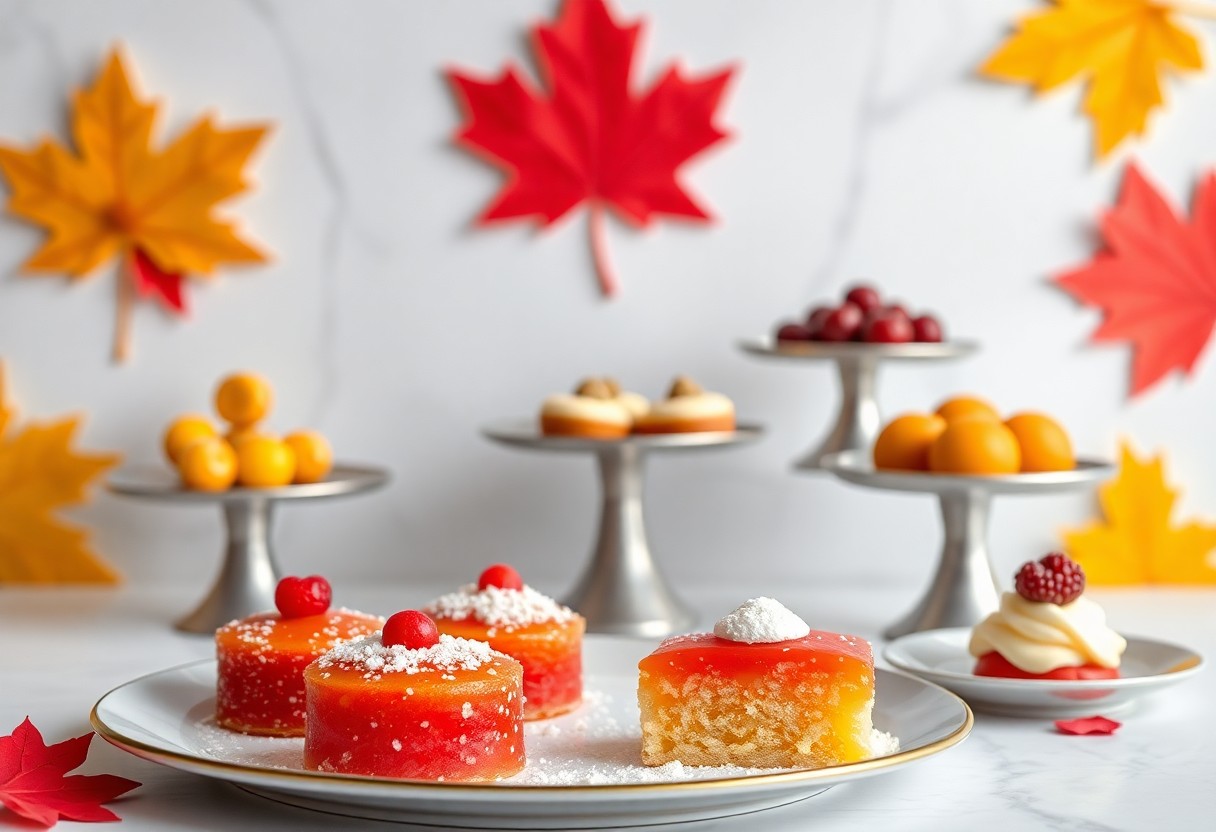
Modern Canadian bakeries are redefining how you experience gulab jamun and rasgulla, moving beyond traditional serving methods. Desserts are now elegantly plated on gourmet-style dishes with artistic drizzles of flavored syrups or paired with fresh fruits to enhance their visual appeal. You may find fusion desserts, like gulab jamun cheesecake, which combine these iconic sweets with popular Western baked goods. This innovative presentation capitalizes on Instagram-worthy aesthetics, making the treats more enticing and suitable for contemporary dessert menus.
Throughout Canadian bakeries, you’ll notice that innovation extends to the combination of textures and flavors. Consider how gulab jamun may be served alongside a scoop of cardamom-infused ice cream, creating a delightful contrast between warm, syrup-soaked dough and cold, creamy sweetness. Alternatively, mini rasgullas are often showcased in sophisticated glass jars, layered with fresh berries and panna cotta, inviting you to indulge. These creative approaches not only elevate the traditional treats but also invite a wider audience to partake in the culinary discourse inspired by Indian sweets.
The Fusion Trend: Blending Indian Sweets with Canadian Bakery Culture
The fusion of Indian sweets like gulab jamun and rasgulla with Canadian bakery traditions has sparked a delightful renaissance in dessert options. Bakeries across Canada are experimenting with these beloved flavors, creating innovative treats that marry the rich, syrup-soaked essence of gulab jamun with fluffy pastries or infusing rasgulla into cheesecakes. This trend exemplifies the beauty of cultural exchange, where familiar tastes take on new, exciting forms, enticing both traditionalists and adventurous foodies alike.
Creative Combinations: New Takes on Classic Flavors
Bakers are getting inventive by incorporating Indian ingredients into classic Canadian desserts. Think of rasgulla-filled éclairs or gulab jamun cupcakes topped with cardamom cream. These creative combinations not only appeal to diverse palates but also pay homage to the rich heritage of both culinary worlds. As these new treats emerge, you will find that they are not just colorful desserts, but also conversations starters that celebrate the artistry of blending cultures.
The Impact of Social Media on Cross-Cultural Dessert Trends
Social media plays a pivotal role in promoting the fusion of Indian and Canadian dessert cultures. Platforms like Instagram and TikTok are flooded with vibrant images of unique sweet creations, allowing bakery trends to go viral almost overnight. As food enthusiasts share their experiences with these innovative desserts, you can find a wealth of inspiration and ideas in your feed, showcasing how far culinary innovation can stretch across borders.
The impact of social media is evident in how quickly trends can spread and how people are increasingly open to trying new flavor profiles. Bakeries that leverage visually appealing content on Instagram often see their creations become local phenomena. For instance, a simple post can lead to long lines outside a bakery for a gulab jamun macaron that was just featured in a viral video. Engaging storytelling and eye-catching visuals entice your curiosity, encouraging you to step out of your comfort zone and try these fusion desserts in your neighborhood. This digital dialogue fosters a community where culinary experimentation thrives, pushing progressive bakers to continue innovating in the ever-evolving desert landscape.
The Future of Gulab Jamun and Rasgulla in Canada
As Canadian palates continue to evolve, the future of gulab jamun and rasgulla seems promising, with an increasing integration of these traditionally Indian sweets into local bakeries. You will likely find them featured in innovative desserts and specialty offerings, appealing to both those familiar with the classics and newcomers eager to explore authentic flavors. The ongoing popularity of ethnic cuisine suggests that these beloved sweets will not only endure but thrive in Canada’s diverse bakery scene.
Predictions for Their Role in Canada’s Bakery Landscape
Your local bakeries are expected to embrace gulab jamun and rasgulla as staples, especially as demand for unique, multicultural desserts rises. These sweets can serve as the centerpiece of fusion desserts or as standalone delights. With markets reporting a 20% increase in ethnic sweet sales over the past five years, integrating these iconic Indian desserts into Canadian selections offers both an opportunity for innovation and a nod to culinary tradition.
The Push for Authenticity vs. Modern Adaptation
A tension exists between maintaining the authenticity of gulab jamun and rasgulla and adapting them for the Canadian palate. On one hand, purists advocate for traditional recipes, emphasizing the importance of authentic ingredients and methods. On the other hand, bakers are experimenting with flavors and textures, integrating elements like maple syrup or local fruits, which appeal to a broader audience. This dual approach allows you to enjoy the essence of these sweets while appreciating the creativity that comes from modern culinary practices.
The push for authenticity often clashes with modern adaptation as bakers attempt to strike a balance between traditional methods and innovative twists. For example, you might encounter gulab jamun infused with berry flavors or rasgolla served with a local twist of whipped cream. This fusion showcases the depth of Canadian culinary diversity while respecting the rich heritage of Indian sweets. As both sides continue to influence each other, you can expect creative inventions that respect tradition while appealing to evolving tastes, ensuring the celebration of both heritage and innovation in your local bakery scene.
To wrap up
Ultimately, your exploration of the evolution of Gulab Jamun and Rasgulla from India to Canada reveals how these traditional sweets have adapted and redefined themselves in a new cultural landscape. As you engage with these desserts in the Canadian bakery scene, you witness not just a fusion of flavors but also a celebration of heritage. The journey of these treats showcases their versatility and the ever-growing appreciation for diverse culinary traditions, allowing you to savor a taste of home while embracing new inspirations.