You can elevate your festive celebrations in Brampton by indulging in traditional Indian sweets. These delightful confections not only satisfy your sweet tooth but also hold cultural significance, symbolizing joy and togetherness during special occasions. From the rich flavors of jalebi to the creamy textures of gulab jamun, each sweet tells a story and enhances your festive experience. Explore the local shops and discover how these treats can make your celebrations more memorable.
The Sweet Legacy of Indian Festivals
Indian festivals are not just celebrations of culture but a rich tapestry woven with traditional sweets that symbolize joy, prosperity, and togetherness. These delicacies play a pivotal role in fostering community bonds and are often central to rituals, offering a sweet taste of heritage passed down through generations. Whether it’s Diwali or Eid, these treats are a testament to the artistic and culinary legacy that continues to thrive in Brampton’s diverse landscape.
Historical Significance of Sweets
Sweets have been intrinsic to Indian culture for centuries, often associated with celebrations and significant life events. Historic texts reference their use in prayers, rituals, and secure social bonds. For instance, the ancient practice of exchanging sweets during weddings symbolizes the sharing of happiness between families, while festivals often see these confections offered to deities as a sign of gratitude and devotion.
Regional Variations in Dessert Traditions
Each region in India boasts its own unique dessert traditions, influenced by local ingredients and cultural practices. For instance, Bengali sweets like rasgulla and sandesh emphasize a milk-based heritage, while North Indian treats such as jalebi and barfi highlight the rich use of sugar and ghee. Southern specialties like payasam and mysore pak offer a distinct flavor profile, showcasing the diversity of ingredients and techniques from coast to coast.
Exploring regional variations further unveils a wealth of history and flavor. In Maharashtra, festivals are marked by modaks, sweet dumplings filled with coconut and jaggery, traditionally offered to Lord Ganesha. Meanwhile, in Punjab, the sweet reach extends to jalebi, often paired with warm kheer, reflecting a love for rich, dairy-based desserts. Gujarat’s ladoos and payasam from Kerala also illustrate the adaptiveness of local tastes, influenced by climate, agriculture, and community rituals, enriching the overall festive experience. Each sweet not only tells a story but creates a connection to your roots, highlighting the unity and diversity within Indian culture.
Iconic Indian Sweets to Savor this Festival Season
Experience the delightful array of iconic Indian sweets that embody the spirit of festival season in Brampton. Each region boasts its specialties, from rich and creamy rasgulla to decadent barfi, ensuring a delightful array to choose from. As you prepare to celebrate, these traditional treats not only satisfy your sweet tooth but also transport you back to cherished memories of family gatherings and celebrations. Savor the essence of these sweets as they play an integral role in your festivities.
Celebratory Favorites: From Gulab Jamun to Jalebi
Gulab Jamun, with its soft, syrup-soaked texture, is a staple at any Indian festival, while the crispy and syrupy jalebi adds a perfect crunch to your sweet offerings. Both treats are beloved for their rich flavors and vibrant presence on dessert tables. These favorites appeal to all ages, creating shared moments of joy as you indulge in their deliciousness during celebrations with family and friends.
Unique Offerings: Lesser-Known Sweets Worth Trying
Dive into the lesser-known Indian sweets that deserve your attention this festival season. Treat yourself to traditional delights like khoya barfi, a dense milk fudge filled with flavors of cardamom and nuts, or the delicate and flaky patishapta with coconut and jaggery filling. Each of these unique offerings brings a different flavor profile and texture, enriching your festive experience with something new and exciting.
Exploring unique Indian sweets can enhance your festive celebrations in remarkable ways. Consider desserts like kalakand, which bursts with a fresh, fruity essence, or thandai burfi infused with subtle spices and herbs, both of which highlight regional flavors. Perhaps try “peda,” a soft, milk-based sweet that’s not only flavorful but also holds cultural significance in various celebrations. These distinctive desserts provide a refreshing change from the mainstream classics, allowing you to experience a broader palette of Indian flavors and create new traditions within your family festivities.
Brampton’s Culinary Scene: A Cornucopia of Choices
Brampton’s culinary landscape is a vibrant blend of cultures, particularly known for its Indian cuisine that boasts an impressive array of options. Whether you are searching for savory snacks or indulgent sweets, you will discover an abundance of restaurants and shops catering to your cravings. Beyond just flavor, the presentation and authenticity of dishes create an inviting atmosphere that captures the essence of Indian culture, making your dining experience truly special.
Top Local Indian Sweet Shops and Their Specialties
Your sweet tooth will be delighted by Brampton’s renowned Indian sweet shops, each offering distinctive specialties. Shops like Jaan Grocers are famous for their rich, creamy Gulab Jamun, while Sweet India takes pride in their melt-in-your-mouth Barfi. For a unique experience, head to the Royal Paan, where you can indulge in exquisite Ras Malai and Kaju Katli, meticulously crafted from traditional recipes that celebrate Indian heritage.
Community Events Showcasing Traditional Sweets
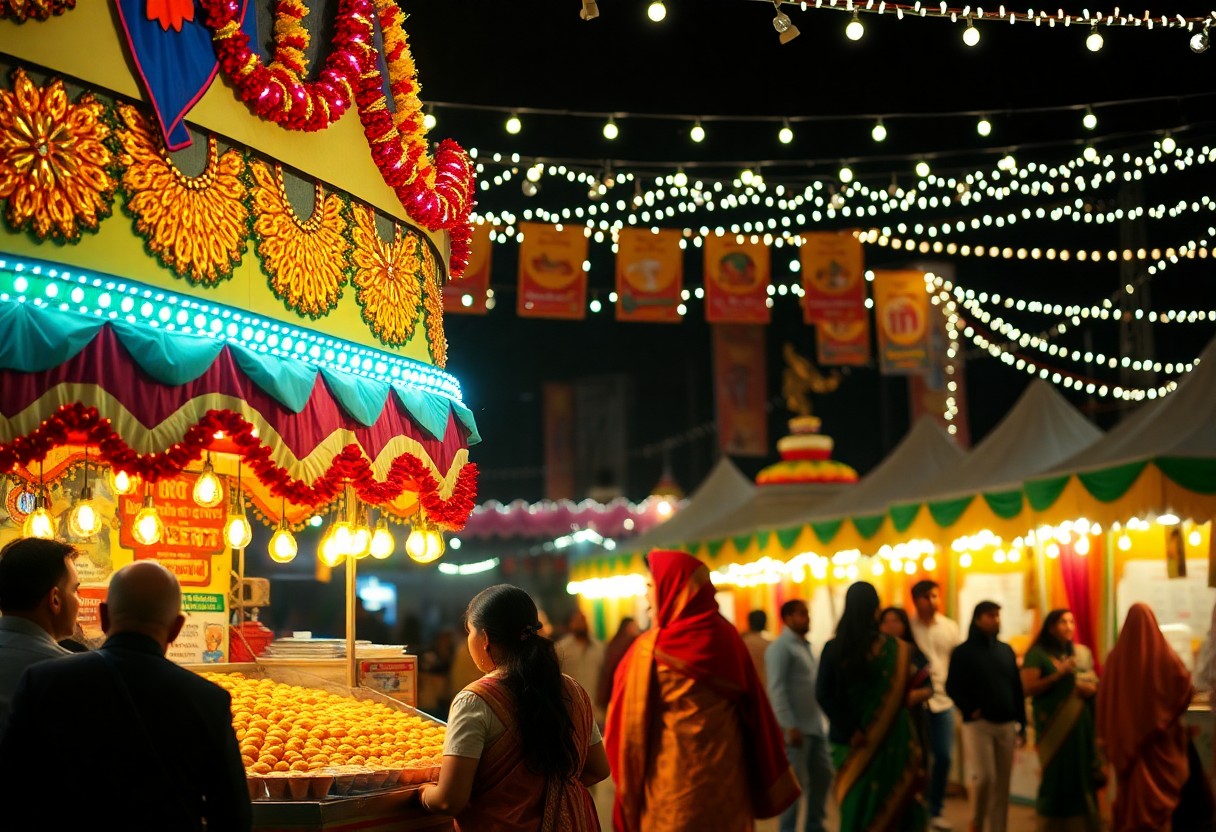
Brampton’s community events frequently shine a spotlight on traditional Indian sweets, bringing together diverse cultures and showcasing the culinary artistry behind these beloved treats. Festivals like Diwali Nights and Holi Mela not only celebrate vibrant festivities but also feature stalls dedicated to sweets, allowing you to savor authentic delicacies while immersing yourself in the joyful atmosphere of cultural celebration.
These community events gather families and friends, creating a lively hub where you can taste various sweets, from crispy Jalebi to delicate Peda. Local vendors frequently participate, blending festive spirit with food, which transforms the events into a cultural feast. Engaging performances, workshops, and cooking demonstrations enhance your experience, allowing you to appreciate the craftsmanship behind the sweets while celebrating the rich traditions that unite the community.
Crafting Your Own Festival Experience
Transform your celebration into a personalized festival experience by incorporating your favorite traditions and flavors. Engage your family by inviting them to create the setting and share responsibilities, from decorating your home to planning festive activities. Choosing an array of traditional Indian sweets not only adds flavor but also enhances the cultural ambiance. By blending old traditions with new ideas, you can create a unique and memorable festival that resonates with your heritage while reflecting your family’s personality.
DIY Recipes for Popular Indian Sweets
Bring the essence of Indian festivals into your home by crafting popular sweets like ladoos, gulab jamun, and barfi. These recipes are not just simple to follow; they also offer a chance to bond with family through cooking. For instance, making besan ladoos involves just a few ingredients: roasted gram flour, ghee, sugar, and cardamom, which combine to create a delightful treat. The aroma of freshly made sweets will surely elevate your celebration.
Tips for Pairing Sweets with Traditional Festival Foods
Balancing flavors is key to a delightful festival spread. Consider the spices and flavors in your traditional dishes when pairing them with sweets. For a savory dish like biryani, a light sweet like cham cham adds the perfect contrast. Likewise, rich dishes such as paneer butter masala pair well with slightly tart sweets like jalebi. Listening to your palate ensures an enjoyable experience that complements your festive offerings.
- Opt for refreshing sweets like rasgulla with spicy foods.
- Pair heavier dishes with light, airy desserts.
- Choose sweets with a hint of acidity to balance flavors.
- Thou shall find inspiration in regional specialties.
Focus on contrasting textures and flavors to amplify the overall dining experience. For instance, a crispy sweet, like kaju katli, enhances the richness of creamy dishes. Adding seasonal fruits, like mango or pomegranate, can brighten the table and serve as a palate cleanser. Don’t hesitate to explore regional variations of sweets that might complement your traditional foods beautifully.
- Experiment with new combinations based on your favorite dishes.
- Consider dietary preferences when selecting sweets.
- Incorporate both sweet and savory elements for balance.
- Thou should aim for a colorful presentation to delight the guests.
The Role of Sweets in Community Connection
Sweets serve as a catalyst for community bonding, playing a pivotal role in celebrations across Brampton’s diverse cultural landscape. During festivals, the sharing of traditional sweets fosters connection among neighbors and friends, creating a sense of unity. The exchange of delicacies like ladoos and gulab jamun is a way to express good wishes, gratitude, and joy, strengthening social ties and emphasizing the importance of community during these festive occasions.
Cultural Heritage and Family Traditions
Your family’s cherished recipes for traditional sweets often carry stories of cultural heritage and customs. Each bite of a homemade barfi or peda serves as a reminder of generations past, connecting you to your roots. These sweets, often made during festivals, are not merely treats; they encapsulate family traditions, crafting a shared identity that transcends time and space.
Bridging Generations Through Sweet Sharing
Sharing sweets during festivals is a powerful means of bridging generations, allowing you to pass down cherished recipes and traditions. Elders often impart their knowledge through the preparation of sweets, turning the kitchen into a space for storytelling and bonding. Each sweet created is more than a delicacy; it symbolizes family legacy and brings together varying ages within your community.
This act of sharing not only nourishes the body but also nourishes relationships. For example, an elder might teach you how to make traditional Mysore pak while recounting tales of your family’s history, creating a rich learning experience. Similarly, children learning to make sweets with their grandparents strengthens their sense of identity and belonging. This exchange fosters a legacy that not only preserves culinary traditions but also integrates the wisdom of the past into the lives of younger generations, ensuring the continuation of cultural practices through festive celebrations.
Final Words
Upon reflecting on the vibrant celebration of festivals with traditional Indian sweets in Brampton, you can appreciate how these delicacies enrich your cultural experience. By indulging in these time-honored treats, you connect with your roots and enhance your festive gatherings. These sweets not only satisfy your palate but also foster community ties, allowing you to share joy and traditions with family and friends. Embrace the flavors, and let them be a delightful part of your celebrations, creating lasting memories in your festive moments.