Just as you plan festival gatherings, embracing traditional Indian sweets in Canada connects cultural heritage with local ingredients and diverse communities; this guide explains sourcing authentic mithai, adapting recipes for your Canadian kitchen, and navigating regional preferences so you can host meaningful celebrations, support specialty artisans, and introduce guests to the flavors and rituals that make each festival distinct.
The Significance of Festivals in Indian Culture
When you participate in Indian festivals, you engage with rituals that mark seasonal cycles, life milestones and regional histories; festivals unite families across 29 states and 8 union territories, and are observed by over 1.4 billion people in India and by more than 1.4 million in Canada. These occasions blend devotion, music, food and community service, turning private customs into public celebration and reinforcing social bonds through shared meals and gift-giving.
Overview of Major Indian Festivals
Diwali (October-November) and Holi (March) anchor the calendar for many communities, while Navratri/Dussehra (Sept-Oct), Pongal and Lohri (January) and Onam (August-September) reflect regional harvest cycles. You’ll encounter Eid-al-Fitr, Christmas and Guru Nanak Jayanti among different faiths; in Canada, community centres stage melas, pujas and parades so you can experience diverse rituals and region-specific sweets side by side.
The Role of Sweets in Celebrations
Sweets serve as prasad, ritual offering and social currency during festivals, and you often bring boxes of ladoo, barfi or peda to hosts. Specific pairings matter: gujiya for Holi, kheer for Raksha Bandhan and Eid desserts like sheer khurma; vendors package assortments so you can gift neatly to neighbours, colleagues and community groups, reinforcing hospitality through taste and tradition.
You’ll notice practical adaptations: home cooks in Canada scale recipes to 50-200 pieces for community feasts and swap jaggery or sugar with maple syrup and local almonds for fusion sweets. Community kitchens at temples commonly produce hundreds to thousands of servings during major events, while packaged mithai like soan papdi and barfi travel well for gifting across provinces. When you plan sweets for a gathering, factor shelf life, allergy labels and portioned mithai boxes to make distribution simple and safe.
Traditional Indian Sweets: A Culinary Journey
You’ve encountered gulab jamun, rasgulla, jalebi and barfi; each relies on distinct bases-khoya, chhena, fermented batter or roasted besan-and aromatics like saffron or 4-6 crushed cardamom pods. Regional techniques create Mysore Pak’s porous ghee-rich texture or Bengal’s spongy rasgulla. When you source sweets in Canada, look for shops that preserve methods such as milk reduction to khoya or jaggery-based sweets from rural regions to maintain authentic texture and flavor.
Popular Indian Sweets Explained
Start with gulab jamun: khoya or milk-powder dough is fried at roughly 160-170°C and soaked in one-thread sugar syrup; jalebi uses a fermented urad/maida batter piped into coils, fried and syruped; rasgulla is kneaded chhena boiled in light syrup; ladoo spans roasted besan, coconut or sesame varieties formed into 3-4 cm balls. You can gauge sweetness by syrup ratios-1:1 for lighter syrup, 1.5:1 for richer soak.
The Art of Making Traditional Sweets
Mastering these confections demands precise technique: reduce milk to khoya by simmering until volume drops about 70% (typically 1-2 hours), knead chhena 10-15 minutes for elasticity, and roast besan 8-12 minutes until nutty. Sugar syrup is judged by thread tests rather than guesswork; one-thread suits jalebi and gulab jamun while denser sweets need higher concentrations. You balance ghee, sugar and spices to achieve texture, sheen and shelf life.
When you make sweets at home, soak 8-12 saffron strands in 2 tablespoons warm milk and use 4-6 crushed cardamom pods per kilogram of base for clear aroma. Aim for ~105-110°C for a one-thread syrup, maintain frying oil at 160-170°C, and knead chhena up to 15 minutes for smoothness. Store milk-based sweets 3-5 days refrigerated and keep syrup-soaked items immersed to retain softness.
Celebrating Festivals in Canada
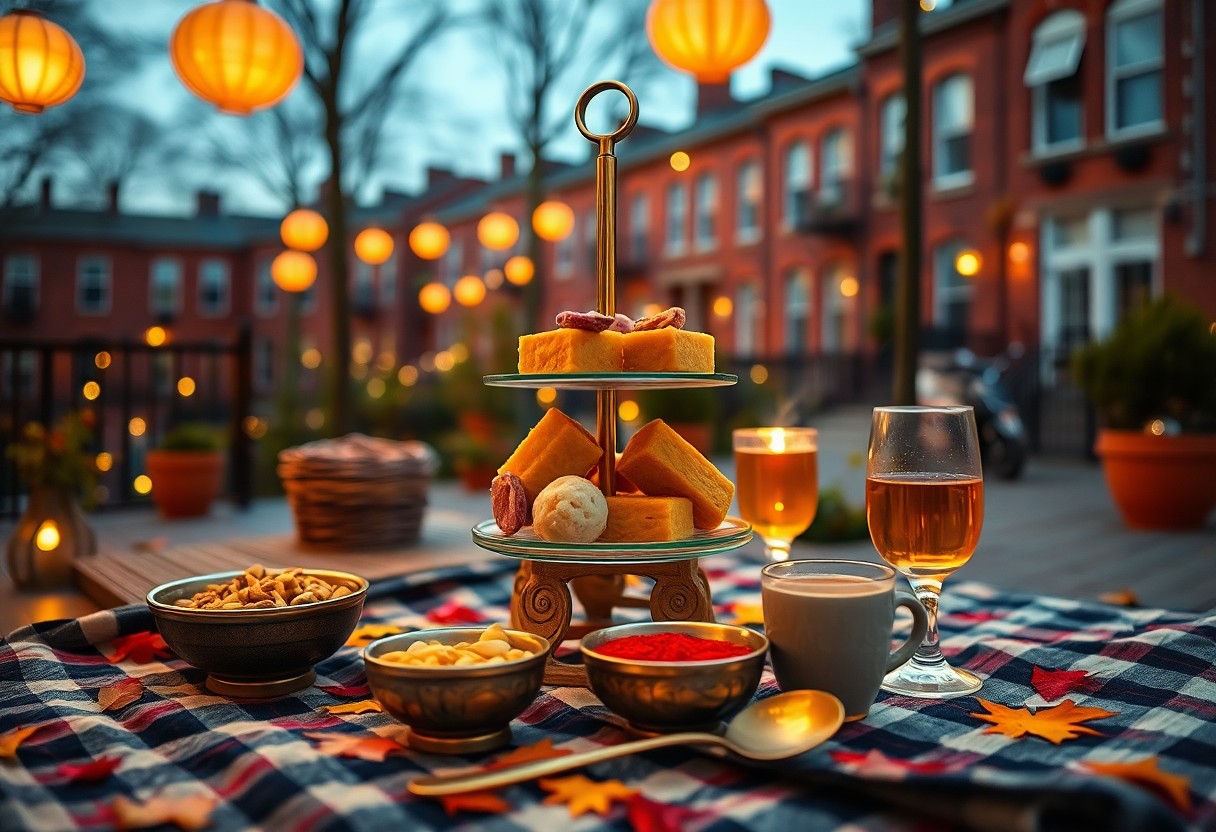
Festivals in Canadian cities blend public spectacle with intimate family rituals, so you see Diwali light-ups in downtown squares, Holi colour runs on university campuses and Vaisakhi parades in suburbs with large Sikh communities. You’ll often find municipal grants underwriting stages and food vendors, while temples and gurdwaras run community kitchens; together they showcase traditional sweets from local mithai shops and homemade offerings, illustrating how public events and household customs reinforce each other across provinces.
The Indian Diaspora and Cultural Heritage
Your community sustains cultural heritage by passing recipes and techniques across generations: grandparents teach ladoo, barfi and jalebi at kitchen tables, while cultural associations run weekend workshops that attract hundreds. You’ll spot regional variations-Bengali sandesh alongside Punjabi patisa-sold at community fairs, and younger bakers often experiment with local ingredients to create fusion mithai that keep traditions dynamic and accessible.
How Festivals are Celebrated in Canadian Communities
Communities stage a mix of public festivals and private gatherings so you can attend a Diwali concert at Nathan Phillips Square, a Holi event organized by student unions, or a neighbourhood langar during Vaisakhi. Local schools and city councils frequently partner with cultural groups, events commonly draw anywhere from a few hundred to tens of thousands of participants, and sweets play a central role in both ceremonial offerings and street-food stalls.
You’ll notice logistical collaboration behind the scenes: local bakeries fulfill bulk orders, volunteers plate hundreds of portions of mithai, and organizers coordinate food-safety approvals and allergen labeling. Many events also ensure vegetarian or halal options, set up donation tables and run outreach programs that use festival kitchens to feed vulnerable neighbours, turning celebration into sustained community support.
Fusion of Cultures: Indian Sweets in a Canadian Context
You now find maple-glazed jalebi at Toronto Diwali markets, butter-tart peda in prairie sweet shops, and Nanaimo-bar barfi on Vancouver bakery shelves. Canada supplies about 71% of the world’s maple syrup, largely from Quebec, so local terroir shows up in sweetness and aroma. Urban bakeries and festival stalls blend presentation and portion sizes to suit Canadian tastes while keeping core techniques intact.
Innovations in Traditional Recipes
Chefs and home cooks experiment constantly: you might taste rasgulla poached in pure maple syrup, cardamom-studded butter tarts folded into peda, or baked gulab jamun that trims oil without losing chew. Artisanal sweet-makers swap ghee for Ontario butter or use ricotta-style paneer to create creamier textures, delivering familiar flavors with new techniques and shelf stability for market sales.
The Influence of Canadian Ingredients
Maple syrup, Atlantic blueberries, and locally produced dairy reshape classics you love; Quebec maple often replaces white sugar in syrups, while Pacific berries inspire shrikhand and phirni variations. Canada is also a leading global pulse exporter, so chickpea flour for besan-based sweets is frequently sourced domestically, offering fresher, traceable inputs for your festival confections.
You can adapt recipes precisely: many chefs replace 25-50% of refined sugar with maple syrup to preserve texture and add flavor, use high-fat Quebec cream (35-38%) for silkier rabri, and choose prairie-grown canola oil as a neutral frying medium that reduces saturated fat compared with ghee. Regional sourcing shortens supply chains, so your sweets arrive fresher and reflect local seasonality.
Where to Find Traditional Indian Sweets in Canada
Across major cities like Toronto, Vancouver, Calgary and Edmonton you’ll find concentrated hubs-Toronto’s Gerrard India Bazaar and Vancouver’s Punjabi Market among them-where dozens of specialty shops sell fresh mithai alongside packaged brands such as Haldiram’s. You can compare prices (small boxes CAD 6-25), sample textures and ask vendors about batch dates, letting you source both everyday barfi and festival-specific sweets like kaju katli or rasgulla with confidence.
Local Indian Grocery Stores
When you visit local Indian grocery stores in Brampton, Surrey or Scarborough, expect a mix of freshly made sweets and sealed brands; many stores prepare gulab jamun and ladoo in-house daily and stock 250-1,000 g boxes for CAD 8-30. You can often request custom assortments, taste a sample, and get advice on shelf life and reheating-handy when you need sweets for immediate celebrations.
Online Bakeries and Delivery Services
You’ll find numerous online mithai bakeries that ship nationwide, offer same-day city delivery, or use insulated packaging for 2-5 day transit; prices typically range CAD 12-40 per box depending on weight and customization. Platforms such as Instacart and Amazon.ca list packaged sweets, while independent bakeries use Canada Post, Purolator or FedEx and provide tracking and payment by credit card or e‑transfer.
For festival orders you should order early-ideally 5-7 days before-to secure slots and refrigeration for perishables; many Toronto-based online shops provide same-day delivery within the GTA and refrigerated shipping for cross-country orders (insulated boxes with cold packs). You can usually choose weight, sugar level, and personalized messages, check customer reviews for quality, and expect refund or replacement policies for transit damage-details that help you plan large festive deliveries.
Tips for Enjoying Traditional Sweets
You can balance richness by serving smaller portions-plan 40-60 g per guest for samplers-and offer warm and room-temperature options like gulab jamun (served warm) and kaju katli (room temperature). Pair sweets with tea varieties: strong chai suits oily laddoo, while green tea or cardamom tea complements milk-based rasmalai. Vary textures across the table so guests try contrasting bites.
- Serve warm items immediately; reheat gulab jamun in syrup for 5-7 minutes at low heat.
- Offer 1-2 bite-sized pieces per guest when presenting multiple varieties to prevent palate fatigue.
- Label allergens and note vegan or milk-free alternatives for guests with dietary needs.
- Assume that you’ll have refrigeration at 4°C to keep milk-based mithai fresh for about 3-5 days.
Pairing Sweets with Festive Dishes
You should match sweets to the meal’s intensity: pair syrupy jalebi with tangy chaat or spicy samosas to offset sweetness, serve creamy ras malai alongside subtly spiced biryani to cool the palate, and offer nutty kaju katli after rich curries. For plated menus, plan 1-2 sweet varieties per course and allocate 50-75 g per person for larger gatherings to balance portions and variety.
Preserving Sweet Traditions in Modern Times
You can archive family recipes by filming step-by-step videos and digitizing handwritten cards; many community centres run weekend workshops with 15-30 participants learning laddoo or barfi techniques. Use practical food-science methods-vacuum-sealing, refrigeration at 4°C, and insulated packaging-to extend shelf life, and experiment with jaggery or date-syrup substitutions to adapt sweetness while keeping traditional flavors.
You should involve younger family members through hands-on methods: break a recipe into 3-4 clear steps (for example, roast, bind, shape for ladoo) and run 1-2 hour sessions at schools or cultural centres-one two-hour workshop can teach basic mithai skills to 30-40 students. Also standardize written recipes with measurements (grams, ml, baking temperatures) so your sweet traditions travel reliably across generations and distances.
To wrap up
Conclusively, when you celebrate festivals in Canada with traditional Indian sweets, you preserve cultural heritage while adapting to local tastes and ingredients; you strengthen community bonds by sharing homemade or locally sourced mithai, support small businesses, and introduce your neighbours to meaningful rituals – ensuring your festivals remain vibrant, inclusive, and authentic across generations.