Over the past decade, you can confidently navigate buying traditional Indian sweets in Canada by prioritizing authenticity, freshness and vendor reputation; learn regional specialties, check ingredient lists for ghee or milk solids, verify vegetarian or halal certifications, ask about preparation and storage, compare in-store samples and online reviews, plan orders ahead for festivals, consider refrigerated shipping for perishable mithai, and support established local confectioners to ensure quality and genuine flavor.
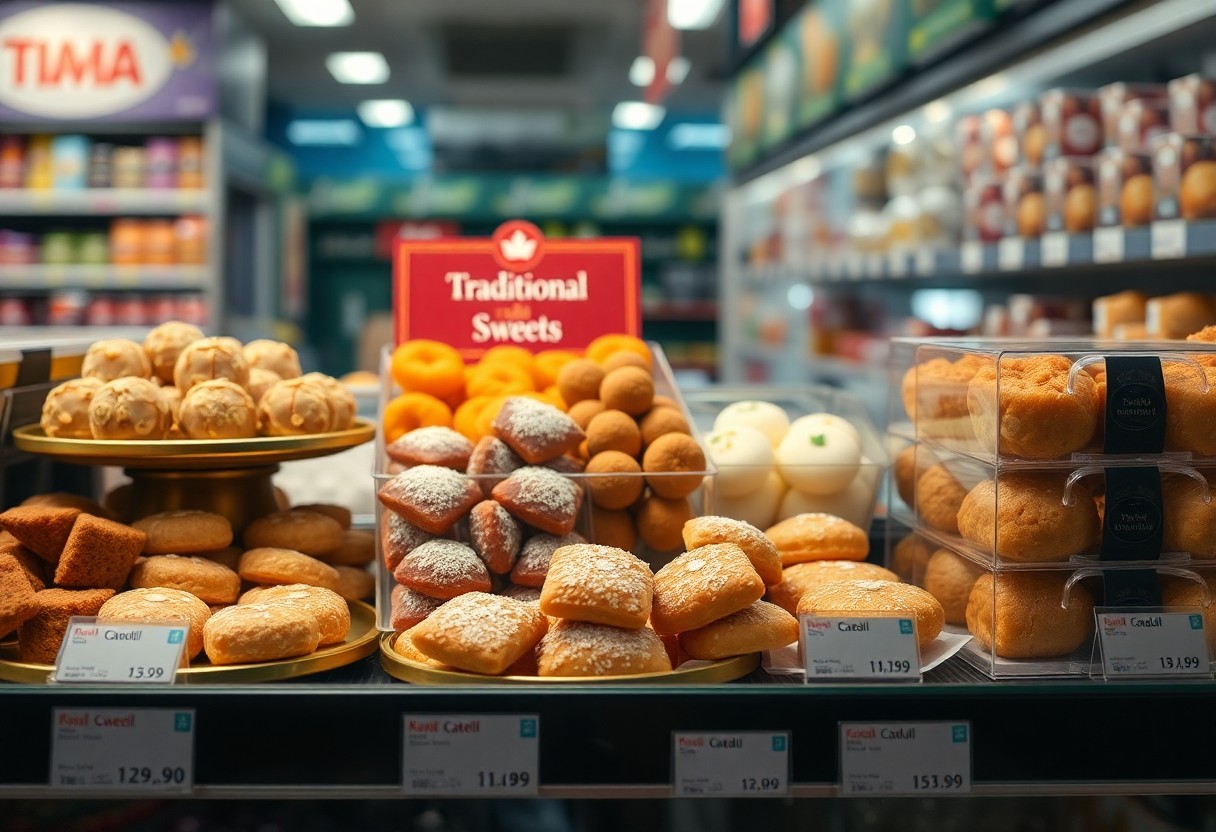
Understanding Traditional Indian Sweets
When you shop, examine ingredient bases, texture and regional styles: milk-based treats like gulab jamun and barfi, syrup-soaked rasgulla and jalebi, and grain or legume sweets such as besan ladoo. Regional origin affects preparation-Bengal rasgulla vs. North Indian peda-and shelf life ranges from 24-72 hours for fresh syrup sweets to 7-14 days for dense nut confections. Use storage needs and occasion to guide how much and what to buy.
Types of Indian Sweets
You’ll encounter five broad categories: milk/khoa-based, syrup-soaked, flour/legume-based, nut-based, and fried sweets, each with distinct textures and uses-festive boxes favor nut and milk sweets, street-food stalls sell fresh jalebi and gulab jamun, and packaged brands supply longer-lasting barfi and kaju katli.
- Milk/khoa-based (gulab jamun, peda)
- Syrup-soaked (rasgulla, jalebi)
- Flour or legume-based (besan ladoo, moong dal halwa)
- Nut and seed-based (kaju katli, coconut barfi)
- This helps you match sweets to storage, gifting, or travel needs
| Gulab Jamun (milk-based) | Refrigerate 2-3 days; commonly served warm at weddings |
| Rasgulla (syrup-soaked) | Best within 48 hours; originates from Bengal/Odisha |
| Jalebi (fried, syruped) | Optimal fresh; holds 24 hours if kept dry |
| Kaju Katli (cashew) | Lasts 10-14 days; premium nut content raises price |
| Besan Ladoo (gram flour) | Keeps 7-10 days; shelf-stable when dry |
Popular Choices in Canada
In Canadian markets you’ll most often find gulab jamun, rasgulla, jalebi, ladoo and kaju katli stocked by local mithai shops and grocery chains in Toronto, Brampton and Vancouver; supermarkets carry branded boxed sweets and online retailers list festival assortments year-round, with demand spiking around Diwali and Vaisakhi.
You should compare homemade shop offerings versus packaged brands: homemade often means fresher texture but shorter shelf life, while branded options give 2-4 week fridge life. Prices commonly range CAD 12-60 per kilogram depending on quality and nuts, and you can use refrigerated courier services or frozen formats for long-distance shipping to preserve texture.
Factors to Consider When Buying
When buying traditional Indian sweets in Canada you should weigh freshness, ingredients, shelf life, packaging, vendor hygiene and certifications before committing to a purchase.
- Freshness & quality (sell-by date, refrigeration)
- Ingredients & allergens (milk, nuts, wheat, sesame)
- Packaging & storage (vacuum, syrup-packed, airtight)
- Shelf life & expiry (2-10 days for milk sweets, weeks for dry sweets)
- Vendor reputation & hygiene (local mithai shops vs online retailers)
- Price per 100 g and bulk discounts
Knowing these factors helps you choose safer, better-tasting sweets whether you shop in Brampton, Toronto or online.
Freshness and Quality
You should check sell-by dates and ask when sweets were prepared; milk-based items like rasgulla or gulab jamun typically keep 2-4 days refrigerated, barfi 4-7 days, while dry sweets such as kaju katli can last 2-4 weeks unopened. Inspect texture and aroma-syrup should be clear, milk sweets soft not sour-and prefer vendors who display preparation dates or offer same-day batches from established shops in your area.
Ingredients and Allergens
You must read labels and ask staff about common allergens: milk, cashew/almond/pistachio, wheat, sesame and soy. Look for “may contain traces of nuts” warnings on packaged mithai, confirm use of ghee versus vegetable oil if you follow vegetarian or religious restrictions, and request ingredient lists for unpackaged sweets at counters.
In Canada prepackaged sweets are required to declare priority allergens, so use that label to verify safety; for loose mithai ask stores for a written ingredient list or manufacturer details. Be aware of cross-contact risks in shops that process nuts and milk on the same surfaces-if you or someone you buy for has a severe allergy, ask whether staff can prepare or reserve items in a clean area, or choose certified nut-free or factory-sealed options from reputable brands.
Tips for Selecting the Best Sweets
When selecting sweets, check texture and aroma: soft, springy rasgullas mean fresh chenna, while glossy syrup and even color indicate properly fried gulab jamun. Verify ingredients – ghee and khoya for richness, not hydrogenated oil – and scan labels for salt and preservative levels. Ask about shelf life (milk sweets 3-7 days refrigerated; barfi 2-4 weeks). Sample a piece when possible and order larger batches 3-7 days ahead for festivals. Recognizing local reputation and recent batches helps you avoid stale or mass-produced products.
- Inspect ingredient list for ghee, khoya, or paneer; avoid listings with hydrogenated oils or vague “vegetable fat.”
- Ask about batch date and refrigeration practices-milk mithai is often made daily in city shops.
- Request a small sample; sensory checks beat marketing claims for freshness.
- Plan orders 3-7 days ahead for Diwali/holidays to ensure availability and quality.
Local vs. Online Options
Buying locally lets you inspect freshness, sample sweets, and get immediate replacements; many shops in Toronto and Vancouver restock milk-based mithai daily. Online stores give access to regional specialties-Mysorepak from Karnataka or Sandesh from West Bengal-and ship across Canada, though delivery often takes 2-5 days and adds $10-$25 shipping. You should weigh urgency, variety, and shipping cost when deciding between in-person and online purchases.
Packaging and Presentation
Packaging preserves flavor: airtight boxes and vacuum-sealed pouches can extend shelf life by days to weeks, while insulated boxes with gel packs protect milk sweets during summer shipments; premium gift boxes typically add $3-$10 per package. You should check for tamper-evident seals, clear best-before dates, and sturdy internals that prevent crushing during transit.
Imported or long-distance milk-based sweets must follow CFIA rules, so ask vendors about cold-chain logistics or choose shelf-stable options like soan papdi and chikki for cross-country delivery. You can also look for recyclable or biodegradable packaging if sustainability matters, though that may increase cost slightly.
Step-by-Step Guide to Purchasing
| Step | Action |
| 1 | Decide which sweets you want (milk-based like rasgulla/peda, sugar-based like jalebi, or dry mithai like kaju katli) and quantity in kg or pieces. |
| 2 | Research local shops and online vendors in your city (GTA, Brampton, Vancouver), checking ratings and inspection records where available. |
| 3 | Verify labels for ingredients, manufacturing and expiry dates; note shelf life-milk sweets 2-7 days refrigerated, dry sweets up to several weeks. |
| 4 | Request a sample or place a small trial order (500 g-1 kg) to test texture, sweetness and freshness before large orders. |
| 5 | Confirm packaging, delivery or pickup timing, and any bulk discounts or customization (nut-free, less sugar) before final payment. |
Finding Reputable Stores
Start by checking online ratings (aim for 4+ stars and at least 15 reviews) and scanning municipal food inspection reports where available; inspect the shop in person for clean displays, proper refrigeration and labeled packaging, and ask staff about ingredient sources and production dates to verify authenticity and hygiene.
Making an Informed Decision
Compare price per kilogram, stated shelf life, and ingredient lists across 2-3 vendors; factor in transport time-milk-based sweets keep 2-7 days refrigerated-so plan delivery within that window and confirm return or refund policies for large orders.
Also ask about bulk pricing thresholds (for example discounts above 2-5 kg), packaging for travel, allergen declarations (nuts, dairy), and whether the shop prepares sweets fresh to order or pre-packs them-this affects texture and sweetness levels, so request a small sample or photos of current batches before committing.
Pros and Cons of Buying Indian Sweets
| Pros | Cons |
|---|---|
| Authentic regional flavors from shops offering laddoo, barfi, rasgulla, jalebi | High sugar and fat – many servings contain 200-350 kcal and 15-30g sugar |
| Wide variety – vegetarian and nut-based options for gifting and rituals | Shorter shelf life for milk-based sweets; many last 3-7 days refrigerated |
| Handmade, artisanal choices with traditional techniques and ingredients | Quality varies by shop; texture and sweetness can differ dramatically |
| Easy access in major cities and online with same-day pickup in many stores | Imported packaged sweets may incur customs delays and higher prices |
| Many shops price 1 kg boxes in the CAD 15-35 range, making bulk buying economical | Allergen risk – frequent use of milk, nuts, ghee; cross-contact is common |
| Gifts well-received for festivals; packaging often available for special occasions | Some sweets use preservatives or heavy syrup, affecting taste and health |
| Frozen or vacuum-packed options extend storage up to several weeks | Shipping costs for cold-chain delivery can be significant for remote areas |
Advantages of Traditional Sweets
You benefit from decades-old recipes and regional specialties-ladoo from Gujarat, peda from Mathura, and rasgulla from Bengal-delivered fresh in many Canadian cities. You can buy 1 kg boxes for roughly CAD 15-35, pick artisan shops that use ghee or kheer for depth, and find vegetarian-friendly sweets easily; online marketplaces also offer same-day pickup or refrigerated courier options to preserve texture and flavor.
Disadvantages to Keep in Mind
You should watch for high sugar/fat and allergen content-many traditional sweets pack 200-350 kcal per serving and often contain milk, ghee, or nuts. You may face inconsistent quality between shops, limited shelf life for milk-based items (typically 3-7 days refrigerated), and added costs for imported or cold-shipped products, especially outside major urban centers.
If you want to mitigate risks, check ingredient labels and ask shops about storage: vacuum-packed sweets freeze well for up to one month, while syrup-soaked items can lose texture after thawing. You should sample small quantities before bulk orders, verify production or expiry dates on packaged goods, and prefer reputed mithai shops or CFIA-compliant brands when buying online or importing.
Frequently Asked Questions
Shipping and delivery times
If you order from within Canada, expect 1-5 business days for local delivery and 3-7 days nationwide with refrigerated or insulated options; cross-border imports can add 7-14 days due to customs. Many sellers use gel packs and insulated boxes-ask for tracking and temperature guarantees, especially for perishable sweets like rasgulla or pedas.
Storage and shelf life
If you refrigerate, milk-based sweets like rasgulla last 3-5 days, barfi 5-7 days, and dry sweets such as besan ladoo or kaju katli keep 2-4 weeks; freezing can extend shelf life but may alter texture. Check seller storage instructions and consume within the stated window for best flavor and safety.
Ingredients and allergen information
When you buy, look for labels listing milk, ghee, nuts, sesame, wheat, and soy-many traditional recipes use clarified butter and khoya. Request allergen declarations or ingredient lists from retailers if you or guests have severe allergies; reputable bakeries provide batch-specific info on request.
Authenticity and regional varieties
If you want true regional flavors, choose vendors that state provenance-Hyderabadi qurbani mithai, Bengali sandesh, and Gujarati mohanthal have distinct techniques and proportions. Sampling single-origin shops or reviews with photos helps you identify authentic textures and sweetness levels.
Bulk orders, gifting, and catering
When ordering for events, plan 7-14 days ahead for custom assortments and packaging; vendors often offer tiered pricing for orders over 50 pieces and sample boxes for taste approval. Ask about shelf-stable options, gift-wrapping, and corporate invoicing to streamline large or recurring purchases.
Final Words
From above, you can confidently navigate buying traditional Indian sweets in Canada by prioritizing reputable vendors, checking ingredient lists and production dates, and considering seasonal specialties and regional authenticity. Use certifications for quality, account for storage and shipping constraints, and communicate your dietary needs clearly. With these steps you will enjoy genuine flavours while complying with Canadian import and safety standards.