Many choices and regional specialties make finding the best Indian sweets in Canada a journey you can navigate with confidence; this guide gives you clear criteria-authentic ingredients, texture, freshness, vendor reputation, and regional varieties-plus practical tips for tasting, ordering, and sourcing seasonal specialties so you can pinpoint top mithai in your city and order with certainty.
Types of Indian Sweets
Across Canada you’ll encounter sweets organized by texture, ingredient and occasion; vendors typically highlight milk-based, fried, nutty, grain-based and fudge-like treats.
- Milk-based: gulab jamun, rasgulla
- Fried/syrupy: jalebi, imarti
- Nut-based: kaju katli, pista burfi
- Grain/legume: besan ladoo, boondi
- Fudge/soft: barfi, peda
Thou, as you compare shops from Toronto to Surrey, will watch for ingredient base, sweetness level and freshness when choosing what to try.
| Gulab Jamun | Deep-fried milk-solid balls (3-4 cm) soaked in rose-cardamom syrup; common in Indo-Canadian sweet shops. |
| Jalebi | Coiled, deep-fried batter soaked in syrup; sold hot in many street-style counters-often 40-80 g per portion. |
| Kaju Katli | Cashew-based diamond slices, thin (5-10 mm); prized for smooth texture and common at Diwali boxes. |
| Rasgulla | Spongy chhena (cheese) balls ~3-4 cm in light sugar syrup; best when freshly made within 24 hours. |
| Besan Ladoo | Gram-flour balls, often made with ghee and cardamom; staple at festivals and widely stocked in specialty grocers. |
Traditional Sweets
You’ll find classics like gulab jamun, rasgulla, barfi, ladoo and peda in most South Asian bakeries; shops commonly offer 5-8 daily varieties. Ingredients tend to be khoya (reduced milk), besan (gram flour), jaggery or ghee, and recipes span centuries-peda from Mathura, besan ladoo from Rajasthan traditions. When you shop in Toronto, Brampton or Vancouver, ask whether sweets were made that day to gauge texture and freshness.
Contemporary Variations
You’ll encounter fusion takes such as chocolate-coated gulab jamun, saffron-mango barfi, jalebi-topped ice cream and baked or air-fried versions in dozens of cafés across major Canadian cities; many menus list 3-5 experimental mithai alongside classics.
For more detail, you should probe how modern shops adapt techniques: chefs substitute almond or cashew bases for vegan options, swap refined sugar for jaggery or date syrup, and plate portion-controlled bites for tasting flights. When you order, ask about method-baked versus fried, khoya versus milk-powder base-because that directly affects texture, sweetness and calorie density.
Factors to Consider When Choosing Sweets
When choosing sweets you should weigh provenance, ingredient lists, and shelf life: rasgulla (chenna-based) keeps 1-2 days refrigerated, gulab jamun about 3-4 days, and barfi or kaju katli can last 5-7 days when stored properly. You should also check for same-day preparation, visible texture quality, and whether the shop uses real ghee or khoya versus cheaper substitutes. Any online orders must list preparation and guaranteed delivery times.
- Freshness & Quality
- Regional Specialties
- Ingredients & Allergens
- Texture & Sweetness Level
- Price, Portion Size & Reviews
Freshness and Quality
You should inspect aroma, texture, and packaging dates and ask when sweets were made; many reputable Toronto and Brampton shops label production dates and offer same-day batches. Perishable items like rasgulla and rasmalai need continuous refrigeration and are best within 24-48 hours, while dry mithai like soan papdi tolerates longer storage. If syrup is cloudy or color looks off, avoid buying.
Regional Specialties
You should target regions that match your palate: Bengali chenna sweets (rasgulla, sandesh) are soft and milky, Gujarati pedas are grainy with cardamom, and Punjabi mithai emphasizes ghee and khoya richness. In Canada, Bengali-style shops in Toronto and Punjabi-focused bakeries in Brampton often carry authentic varieties you can sample before buying.
To deepen your selection, compare vendors: try Kolkata-style sandesh from a Gerrard East shop, sample Hyderabadi badam halwa from Mississauga specialty stores, and order Gujarati sweets from Brampton markets; differences in chenna versus khoya, use of jaggery or sugar syrup, and frying versus baking create distinct textures and sweetness levels, so ask for small samples or festival-size tasters when possible.
Tips for Finding the Best Indian Sweets
Visit high-traffic neighbourhoods such as Brampton, Scarborough and the Punjabi Market in Vancouver where shops turn over inventory daily; aim for stores with 4.0+ ratings and at least 50 reviews to filter out one-offs. Inspect texture and aroma in photos and ask when sweets were made-many authentic shops stamp batch times. Perceiving subtle differences in grain, syrup saturation and ghee aroma will quickly separate mass-produced from handcrafted mithai.
- Check Google Maps/Yelp ratings (4.0+, 50+ reviews).
- Prefer shops that list daily batch times or “made today.”
- Sample small pieces-freshness shows in aroma and texture.
Online Resources and Reviews
You should use Google Maps and Yelp for aggregate ratings, but also scan Instagram reels and YouTube Shorts for close-up cuts and vendor walkthroughs; videos often reveal texture and syrup consistency better than photos. Filter for reviewers who mention shelf life, sweetness level and ghee content, and prioritize shops featured in multiple local lists or food blogs-those with repeated mentions across platforms usually indicate consistent quality.
Local Recommendations
You can harvest reliable leads by asking at gurdwaras, temples and Indian grocery owners, or by joining community Facebook groups and WhatsApp circles where members post photos and pickup tips; festival stalls during Diwali and Vaisakhi are great for sampling regional specialties. Ask whether sweets are made daily, who the in-house maker is, and whether they adjust sugar on request.
Dig deeper by requesting specifics from referrers: ask for cross-section photos, the maker’s name, and how long a sweet keeps-Bengali sandesh and rasgulla often peak within 24 hours, while milk-based barfis can last several days refrigerated. You should also note whether recommendations come from home cooks or commercial bakeries, since homemade mithai often prioritizes traditional technique over shelf stability.
Step-by-Step Guide to Tasting Indian Sweets
| Proper Tasting Techniques | Pairing with Beverages |
|---|---|
|
Begin by assessing aroma and texture: inhale, take a small 1-2 bite, and note sweetness, graininess, and fat. Start with milk-based sweets (rasgulla), move to syrup-soaked (gulab jamun), then fried (jalebi) and finish with nutty barfis. Use a simple 1-5 scale for aroma, texture, sweetness and take a sip of water between samples. |
When pairing, think contrast and complement: masala chai or black tea balances syrupy gulab jamun, chilled sweet lassi complements oily jalebi, and a dry Riesling or Moscato pairs well with nutty barfis. Try 1-2 sips of your drink between bites to reset the palate and compare combinations. |
Proper Tasting Techniques
Follow a 3-step tasting order: start light (rasgulla or peda), continue to syrup-drenched (gulab jamun), then richer fried or nut-dense sweets. Take small bites, chew slowly to assess texture and release aromas, and rate each on aroma, texture, sweetness, and balance using 1-5. Limit to 2 pieces per variety to avoid palate fatigue.
Pairing with Beverages
Match intensity: strong teas and filter coffee cut through greasy sweets, while yogurt-based drinks (lassi) soothe dense milk confections. For celebrations try sweet wine (Moscato) with syrupy desserts and unsweetened green tea for cleaner contrast. Alternate sips after 2-3 bites to evaluate how the drink changes the sweet’s profile.
For example, pair rasgulla with a hot cardamom tea to highlight floral notes; pair gulab jamun with masala chai or a demi-sec Moscato to accentuate syrup; serve jalebi with cool salted lassi or strong filter coffee to cut oiliness; and match dense kaju katli with rose lassi or lightly sweetened black tea. Try each pairing at least twice to confirm your preference.
Pros and Cons of Popular Indian Sweets
When choosing sweets you should weigh flavour, price and shelf life: some treats are region-specific and fresh-only, while others travel well. You’ll find tradeoffs between authenticity and convenience – for example, chenna-based desserts offer lightness but spoil faster, whereas milk-fudge sweets keep longer but are denser and richer.
| Sweet | Pros & Cons |
|---|---|
| Gulab Jamun | Pros: universally loved, soft and syrupy; Cons: 200-300 kcal per piece, oily from frying, very sweet. |
| Rasgulla | Pros: light, spongy, low-fat chenna base; Cons: short shelf life, can be bland if over-sugared. |
| Jalebi | Pros: crisp exterior, tangy syrup; Cons: deep-fried, absorbs a lot of sugar and oil, best fresh. |
| Kaju Katli | Pros: elegant, nut-forward (cashew), refined for gifts; Cons: expensive (cashews drive cost), calorie-dense. |
| Barfi | Pros: versatile flavours (coconut, pista), stores well; Cons: can be overly sweet and heavy in ghee. |
| Motichoor Laddu | Pros: festive texture, fragrant with cardamom; Cons: sticky, high in sugar and oil per ball. |
| Rasmalai | Pros: creamy, aromatic saffron-cardamom milk; Cons: delicate, refrigeration needed and shorter shelf life. |
| Gajar Halwa | Pros: carrot-based, can be served warm, rich in ghee and milk; Cons: 200+ kcal per serving, labor-intensive to prepare. |
| Peda | Pros: bite-sized, long shelf life when stored cool; Cons: can be grainy if poorly made, very sweet. |
| Kulfi | Pros: dense frozen dessert, varied flavours (malai, mango); Cons: melts quickly, texture can be icy if mass-produced. |
Nutritional Considerations
You should treat Indian sweets as occasional treats: a single piece often ranges from about 100 to 300 calories and 8-30 g of sugar depending on size and syrup content. Prioritize freshly made, milk-based items for protein (5-8 g per serving) and choose nut-based options if you want healthier fats, while limiting portions to control total sugar and saturated fat intake.
Flavor Profiles
You’ll encounter three dominant flavour families: milk-rich and creamy (rasmalai, peda), syrupy and fermented-sweet (jalebi, gulab jamun), and nut-spice driven (kaju katli, pista barfi). Aromatics like cardamom, saffron and rose water define many recipes, and the balance of ghee, sugar and milk solids determines richness and mouthfeel.
For practical tasting, compare textures: chenna sweets deliver a springy, airy bite while khoya-based items are dense and fudgy. Regional variants matter – Bengali sweets tend to be lighter and milk-focused, Punjabi versions are richer and ghee-heavy – so sample both styles to map which profile you prefer.
Where to Buy Indian Sweets in Canada
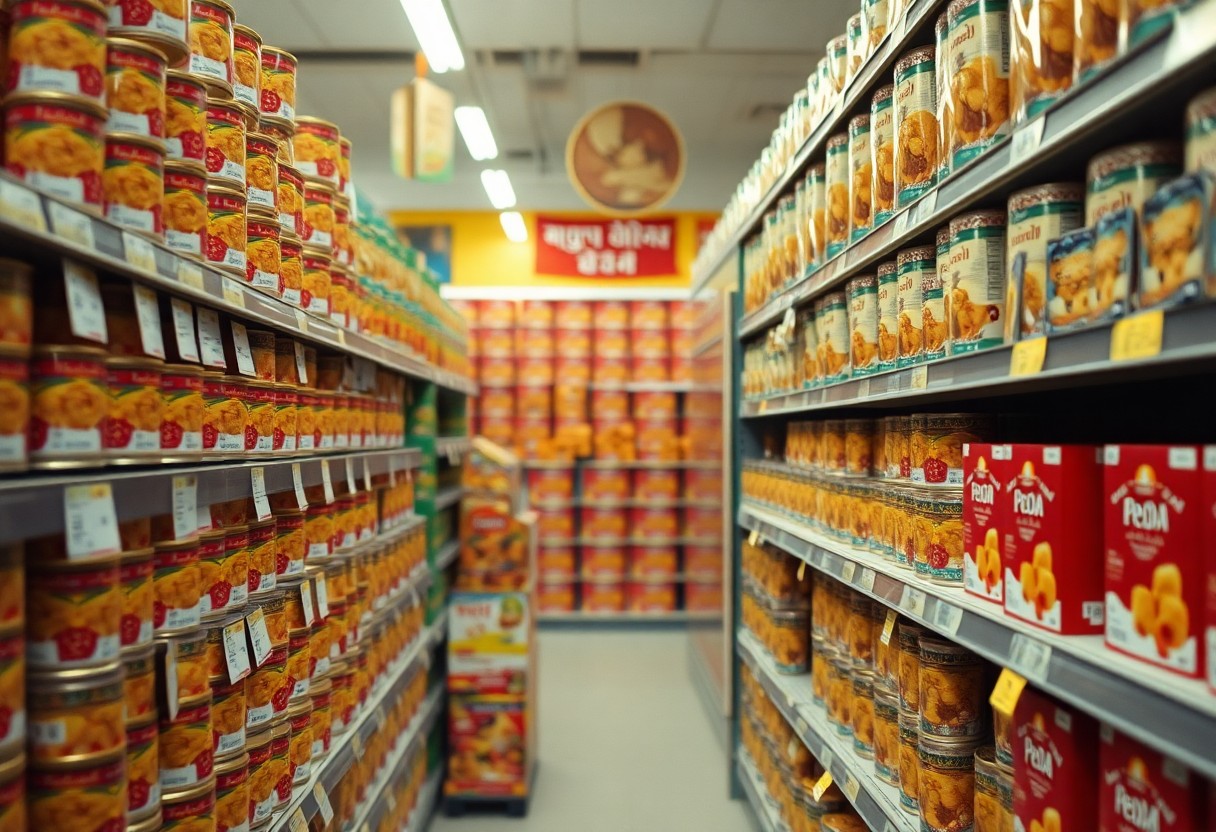
In major Canadian hubs like the GTA, Vancouver, Calgary and Edmonton you’ll find dozens of dedicated mithai shops, South Asian grocery aisles and cultural markets carrying regional specialties-rasgulla, kaju katli, Mysore pak and more. You should prioritize shops that list ingredients, display health-inspection notices and offer fresh-made batches during festivals; many stores increase production 2-3 weeks before Diwali and Holi to meet demand, so plan orders accordingly.
Specialty Stores
Many family-run specialty stores stock 30-50 varieties and prepare items daily, so you can ask for warm gulab jamun or freshly poured jalebi. You should inspect texture and aroma in-store, compare sugar levels across batches, and request gift packaging for events; in the GTA and Brampton, long-standing shops with active community reviews often indicate consistent quality and authentic regional recipes.
Online Options
If you prefer ordering online, you can access city-wide and nationwide delivery from local mithai shops, marketplace sellers and specialty e-tailers offering refrigerated or shelf-stable options. You should check delivery windows-many vendors offer 24-72 hour courier service within provinces-and read customer photos and ratings to verify presentation and freshness before buying.
Also examine shipping policies closely: look for insulated packaging, gel packs for milk-based sweets, clear expiry dates and refund terms for damaged perishables. You should compare prices (boxes commonly range CAD 8-40), verify allergen and certification labels (vegetarian/halal), and order early during festival seasons when lead times often extend by 7-21 days.
Final Words
Now that you’ve explored regional varieties, trusted shops, and tasting tips, you can confidently choose authentic Indian sweets across Canada; use your palate, check ingredients and freshness, seek recommendations, and balance tradition with innovation to find the best mithai for celebrations or everyday enjoyment.