Gulab Jamun and Rasgulla are beloved sweets that hold a special place in your heart, but deciding between homemade and store-bought options can be a challenge. In Canada, you can discover an array of both delectable treats, each with its unique charm. This post will guide you through the pros and cons of both methods while showcasing some of the best places to indulge in these delightful desserts. Whether you’re a passionate home baker or prefer the convenience of ready-made sweets, you’ll find valuable insights to satisfy your cravings.
The Taste Test: Homemade vs. Store-Bought
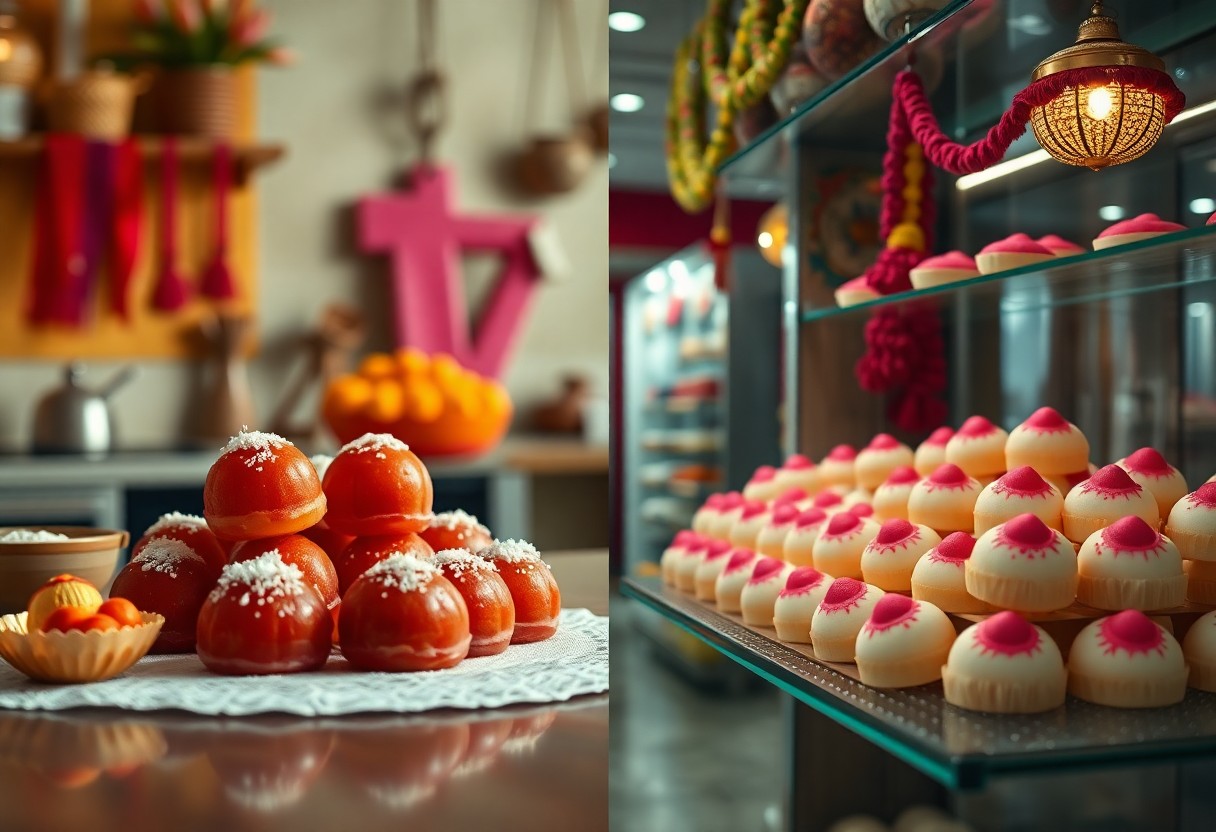
The debate of homemade versus store-bought gulab jamun and rasgulla often boils down to personal preference, with each option offering distinct advantages. Homemade delights may evoke childhood memories, bringing warmth and nostalgia with every bite. On the other hand, store-bought varieties promise consistency and convenience, allowing you to sample indulgent treats without the hassle of preparation. Ultimately, conducting a taste test can help reveal which style resonates more with your palate through flavor, texture, and overall satisfaction.
Flavor Profiles: Delving into Sweetness and Texture
Homemade sweets often have an artisanal quality that store-bought options can lack. The balance of sweetness in homemade gulab jamun frequently hits the mark, providing a rich, syrupy indulgence that’s both comforting and decadent. Meanwhile, store-bought varieties may vary, sometimes leaning towards overly sugary. Texture plays a vital role, as homemade versions tend to deliver a melt-in-your-mouth experience, while store-bought versions can sometimes have a denser consistency that affects your enjoyment.
Freshness Factor: The Impact of Preparation Time on Quality
The freshness of your gulab jamun and rasgulla can dramatically influence your experience. Homemade treats are generally created from scratch, maximizing the potential for optimal taste and texture. Store-bought options, while convenient, may have been sitting on shelves or in freezers for an extended period, resulting in a diminished freshness that impacts flavor intensity and mouthfeel. Freshly prepared sweets offer unparalleled richness that’s challenging to replicate in pre-packaged options.
Homemade gulab jamun is typically made with simple ingredients like milk solids and flour, resulting in a soft and spongy texture that absorbs syrup beautifully. You might savor the fragrant notes of cardamom or saffron, enhanced by the warm freshness of just-made dessert. Contrast that with store-bought versions, which may contain preservatives for longevity but can compromise on taste and texture. Often, you’ll find that when you bite into a freshly made sweet, the syrup flows more freely, and the nuances of flavor come alive, making that immediate taste experience unforgettable.
A Cultural Context: The Significance of Gulab Jamun and Rasgulla in Canadian Communities
In Canadian communities, gulab jamun and rasgulla represent much more than just indulgent treats; they are symbols of cultural heritage and family traditions. These sweets, often present at celebrations and gatherings, foster a sense of belonging among Canadians of South Asian descent, connecting generations through shared recipes and cherished memories. As you navigate through festivals or family functions, these delicacies become a point of pride and a way to honor both the past and the present.
Celebrating Indian Heritage: Festivals and Traditions
Festivals like Diwali and Holi see families and communities coming together, where gulab jamun and rasgulla are often the stars of the dessert table. Your participation in these events reinforces not just the joy of celebration but also the richness of Indian culture, as each sweet bite tells a story of history and tradition.
Connecting Through Cuisine: Social Gatherings and Family Recipes
Sharing gulab jamun and rasgulla at social gatherings draws people together, creating bonds over cherished family recipes. In many homes, the act of preparing these desserts becomes a family affair, preserving techniques and anecdotes passed down through generations. You might find yourself gathering with loved ones during festive seasons, exchanging tips and ingredients while reminiscing about the first time you tasted your grandmother’s homemade gulab jamun.
This slow, intentional cooking process is a treasured tradition that strengthens familial ties and keeps cultural practices alive. As you whip up a batch of rasgulla, it’s not just about satisfying your sweet tooth; it’s an opportunity to engrain your loved ones’ stories into every bite. These moments become a recipe for connection, as sharing these desserts at gatherings can spark conversations and evoke smiles, bridging gaps between generations through the love of food. When you take a spoonful of homemade gulab jamun, you’re not just enjoying a treat; you’re tasting your heritage.
Ingredient Insights: What Sets Quality Confections Apart
The heart of any great gulab jamun or rasgulla lies in its ingredients. High-quality sweets often feature authentic elements like fresh chhena, pure sugar, and real ghee, elevating them beyond average alternatives. Store-bought versions might cut corners, relying on artificial ingredients and preservatives that compromise flavor and texture. In contrast, a superior confection embraces traditional recipes, ensuring each bite reflects the rich heritage and authenticity of these beloved treats.
Authentic Ingredients vs. Mass-Produced Substitutes
Choosing authentic ingredients can drastically influence the taste and overall quality of your sweets. Many mass-produced versions of gulab jamun and rasgulla opt for cheaper, synthetic ingredients, leading to a decline in authenticity. For example, using powdered milk instead of fresh chhena results in an inferior texture, while synthetic rose essence instead of real rose water can ruin the delicacy. When you seek out sweets made with genuine components, you’re guaranteed a far superior experience.
The Role of Cooking Techniques in Flavor Development
Cooking techniques significantly impact the development of flavors in confections like gulab jamun and rasgulla. Traditional methods, such as slow frying in ghee for gulab jamun, allow for a gradual caramelization, enhancing the overall sweetness and nuance of the dish. Rasgulla, typically boiled in syrup, can benefit from meticulous attention to temperature, ensuring the perfect balance between lightness and a satisfying bite. These time-honored methods lead to layers of complexity that mass-produced sweets often lack.
Employing these traditional cooking techniques can elevate your sweets to a whole new level. For instance, in gulab jamun preparation, the dough should be kneaded skillfully to achieve the desired softness, while simmering the balls in sugar syrup requires patience to ensure they absorb the flavors evenly. You’ll find that local artisans take the time to perfect every step, from controlling frying temperatures to monitoring syrup consistency, resulting in a uniquely delicious treat. This attention to detail and dedication to craft is what truly sets quality homemade confections apart from their store-bought counterparts.
The Marketplace: Where to Find the Best Options in Canada
Exploring the vibrant marketplace of Canada reveals a treasure trove of delightful gulab jamun and rasgulla options. From bustling Indian bazaars to specialty grocery stores, you’ll find both homemade delicacies and well-loved commercial products at your fingertips. Your quest for the perfect sweet treat can take you to urban centers or hidden gems, where you can taste the rich variety that reflects the cultural tapestry of South Asian cuisine.
Top Homemade Brands and Local Artisans
Supporting local artisans can lead you to some of the best homemade gulab jamun and rasgulla. Look out for small businesses like “Sweet Nirvana” in Toronto or “Kesar Kitchen” in Vancouver, where passionate chefs create authentic recipes using traditional methods. These handmade sweets not only prioritize quality but often incorporate unique twists that reflect local tastes, ensuring a memorable experience for your palate.
Popular Store-Bought Options and Where to Purchase Them
In store-bought sweets, brands like “Haldiram’s” and “Bikanervala” are standouts, easily found in Indian grocery stores across Canada. Retailers such as Patel Brothers or T&T Supermarket offer these packaged delights, making it convenient for you to pick up a quick treat or stock up for a gathering. These brands have earned a reputation for consistency and taste, ensuring you won’t be left disappointed when craving these iconic desserts.
Store-bought gulab jamun and rasgulla are great options for those moments when you’re short on time but still want a taste of traditional sweets. Popular brands like “Mithaas” and “Gulab Foods” are often found in major grocery chains, offering a range of flavors and packaging sizes to cater to your needs. You can typically find these products in the frozen or international food aisle, making it easy to bring a taste of home into your kitchen without the hassle of preparation. Don’t overlook local festivals and cultural events, where various vendors often showcase their popular products, allowing you to sample multiple options in one place.
The Cost Factor: Is Homemade Really Worth It?
Considering the meticulous preparation and high-quality ingredients required, homemade gulab jamun and rasgulla can indeed be a labor of love. While you may enjoy the authentic taste and the satisfaction of crafting these traditional sweets, weighing the costs against store-bought options is important. Homemade versions can range from $20 to $30 for a family-sized batch, while store-bought alternatives often sit at $10 to $15, providing convenience without compromising too much on flavor.
Analyzing Ingredients and Preparation Time for Homemade Versions
Your time and the quality of ingredients significantly impact the overall cost of homemade sweets. A batch of gulab jamun typically requires khoya, sugar, ghee, and various spices, totaling about $15 in raw ingredients alone. The preparation process can take anywhere from 2 to 3 hours, factoring in cooking time and cleanup. If you enjoy cooking and value freshness, this time investment could feel rewarding, but if you’re busy, the convenience of store-bought may outweigh the appeal of homemade.
Pricing Breakdown: Store-Bought vs. Homemade Economics
While homemade sweets allow for customization and freshness, store-bought options often come at a lower price and with significant time savings. For example, purchasing a box of premium gulab jamun from a local Indian sweet shop usually costs around $12 for a dozen pieces. In contrast, creating the same number at home might set you back $20 or more when you account for ingredients, time, and effort. Therefore, budgeting for your culinary adventure is vital to determining whether the taste and experience of homemade treats are truly worth the additional expense.
Conclusion
From above, you can see that whether you opt for homemade or store-bought gulab jamun and rasgulla, the experience can vary significantly. By exploring local markets, specialty sweet shops, or even your own kitchen, you can discover delightful flavors that meet your preferences. Consider trying various options to find the perfect balance between convenience and authentic taste in your quest for the best sweets in Canada. Your palate will surely thank you for the adventure!