The Cultural Significance of Indian Sweets in Brampton
Celebratory Connections
Indian sweets are much more than delectable treats; they are emblematic of your cultural heritage and community bonds. In Brampton, where a significant South Asian population thrives, sweets like Gulab Jamun and Barfi play pivotal roles during festivals, weddings, and special occasions. During Diwali, for instance, families exchange boxes of assorted sweets, symbolizing joy and prosperity. The phrase “sweeten the pot” takes on added significance as these confections represent the sharing of happiness and blessings among family and friends.
Community and Tradition
You might also notice that local sweet shops often serve as gathering spots, where stories and recipes are exchanged alongside samosas and Milk Cake. In Brampton, traditional Indian sweets have evolved yet retained their roots, showcasing the blend of ancestral recipes and modern influences. This dynamic makes each bite not only a taste of sugar but also an experience that connects you to a rich narrative of history and continuity. By indulging in these delights, you participate in a deep-seated culture that thrives on shared celebrations and communal ties.
Decoding Milk Cake: A Brampton Favorite
Milk cake holds a cherished place in the hearts of Brampton’s Indian community, often adorned at celebrations and family gatherings. Its sweet, creamy texture, combined with subtle flavors, showcases the artistry of Indian confectionery. You’ll find this delectable treat here often served in generous squares, making it a delightful centerpiece for any festive occasion. The blend of tradition and taste in milk cake truly captivates both the palate and the spirit of community festivities.
The Ingredients That Make It Unique
The secret to milk cake’s unique flavor lies in its simple yet high-quality ingredients: milk, sugar, lemon juice, and cardamom. The use of fresh, full-fat milk adds creaminess, while the acidity from lemon juice helps in curdling the milk, transforming it into a soft, spongy mass. The addition of cardamom provides a fragrant, aromatic touch, elevating the entire experience. You might also find variations incorporating nuts or saffron for an extra layer of indulgence.
Traditional Preparation vs. Modern Variations
Traditional milk cake is crafted through a labor-intensive process that involves simmering milk until it reduces to a thick consistency, followed by adding sugar and flavorings. However, modern variations have emerged, introducing ingredients like condensed milk or even eggless options for those with dietary preferences. These updates simplify the preparation while still honoring the classic taste. With emerging bakeries in Brampton embracing innovation, you can now enjoy milk cake infused with chocolate or various fruit flavors.
While the traditional preparation may define the essence of milk cake, modern iterations bring a fresh twist to this classic dish. You’ll find some bakers blending in unique flavors like pistachio or mango, successfully merging cultural history with contemporary tastes. This adaptability makes milk cake not just a nostalgic favorite but also an evolving dessert that appeals to the younger generations. Whether you prefer the classic or a modern take, the charm of milk cake remains, ready to delight anyone who tastes it.
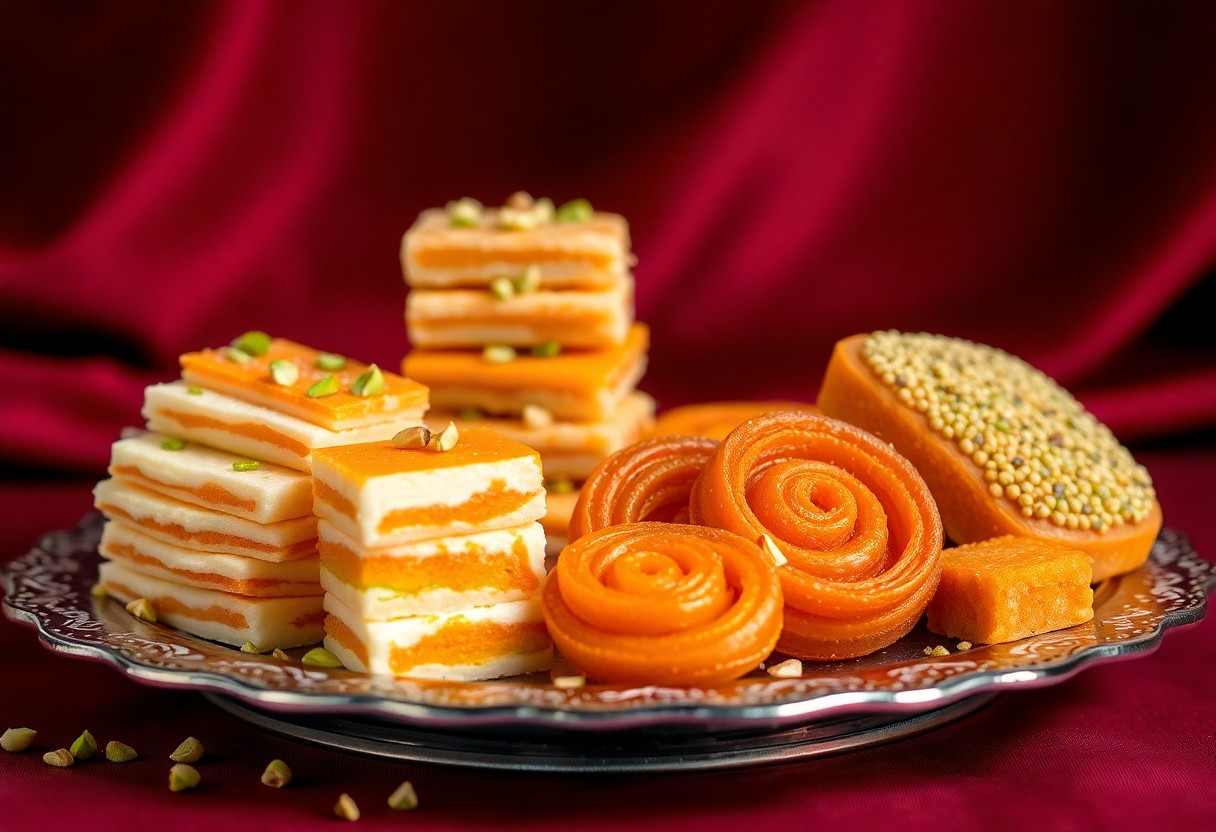
The Delightful Layers of Soan Papdi
Soan Papdi, with its unique flaky texture and melt-in-your-mouth quality, is a beloved Indian sweet that captivates taste buds. Its layers are crafted with finesse, usually made from a mix of gram flour, sugar, and ghee. This sweet not only offers a delightful crunch but also boasts a hint of cardamom and sometimes almond or pistachio, adding to its rich flavor profile. Available in various forms, Soan Papdi can be found in numerous Indian sweet shops in Brampton, making it a staple for festive occasions and family gatherings.
The Art of Making Flaky Treats
The craftsmanship behind Soan Papdi involves a meticulous process where a mixture of flour and ghee is vigorously whisked while boiling sugar syrup is gradually integrated. This results in a distinctive stringy texture that’s characteristic of high-quality Soan Papdi. The batter is then pulled and folded multiple times, creating the signature layers that ultimately lead to its one-of-a-kind fluffiness. You might even find some shops in Brampton offering live demonstrations of this process, showcasing the art and tradition that go into making this aromatic delicacy.
Why Soan Papdi Stands Out in Sweet Celebrations
Soan Papdi’s reputation as a quintimperative sweet during celebrations stems from its versatility and universal appeal. Whether it’s Diwali, weddings, or birthdays, this flaky delight graces festive tables, effortlessly pleasing guests of all ages. Its lightweight structure makes it easy to enjoy, allowing you to savor multiple pieces without feeling overwhelmed. In Brampton, its influence can even be seen at cultural festivals, where local vendors carefully prepare large batches, carrying on traditions that unite communities over shared flavors.
The fact that Soan Papdi transcends cultural boundaries makes it a favorite at various celebrations. You’ll notice that its presence is often accompanied by heartfelt connections among families and friends, enhancing the spirit of togetherness. Its delightful taste complements a wide range of savory dishes served during festivities, allowing it to shine as a sweet finale. Additionally, the nostalgic memories that accompany this treat often evoke cherished sentiments, making Soan Papdi not just a dessert, but a symbol of love and community during your special moments.
Beyond Milk Cake and Soan Papdi: Exploring Other Indian Sweets
There’s a vast array of Indian sweets that beckon you to explore beyond Milk Cake and Soan Papdi. Treat yourself to the delightful Gulab Jamun, round balls made from khoya, deeply soaked in sugary syrup, or relishing the flaky layers of Baklava filled with nuts and honey. Each morsel invites you to experience the rich tapestry of flavors, textures, and aromas that Indian confectionery offers, ensuring that whatever your preference, there’s surely a sweet delight waiting for you.
Regional Variations and Their Unique Twist
Every region in India contributes its unique twist to the sweet delicacies you enjoy. For instance, the south boasts of Mysore Pak, a ghee-rich sweet that melts in your mouth, while the east tantalizes your taste buds with the soft, spongy Rasgulla. These regional specialties reflect diverse cooking techniques, local ingredients, and cultural traditions, providing a fascinating exploration of flavors that varies from state to state.
Pioneering Local Shops Bringing Authenticity to Brampton
Brampton is home to several local shops specializing in authentic Indian sweets, ensuring you savor genuine flavors and high-quality ingredients. Stores like ‘Indian Sweet House’ and ‘Royal Indian Sweets’ have made a name for themselves by embracing traditional recipes passed down through generations while also accommodating modern preferences. Their commitment to authenticity allows you to experience genuine Indian confectionery right in your own community.
Whether it’s the inviting aroma wafting from ‘Indian Sweet House’ or the colorful displays at ‘Royal Indian Sweets’, these shops play a pivotal role in fostering the cultural connection to Indian sweets. You’ll find a wide variety of options, from traditional favorites to innovative takes on classic recipes, all crafted with fresh ingredients. Many shops also engage in community events, sharing cultural heritage while introducing you to the rich history behind each dessert. When in Brampton, exploring these local gems makes indulging in Indian sweets an authentic and joyous experience.
Mastering Indian Sweets at Home: Step-by-Step Recipes
| Essential Ingredients and Equipment |
Gathering the right ingredients is imperative for making Indian sweets. Common items include milk, sugar, flour, and ghee. You’ll also need basic kitchen equipment like a heavy-bottomed pan, thermometer, and whisk. Each recipe highlights specific tools that ensure proper texture and flavors, allowing you to replicate the authentic taste. |
| Troubleshooting Common Pitfalls for Beginners |
Even seasoned cooks can encounter hurdles while preparing Indian sweets. Issues such as improper sugar consistency or overcooking can result in less-than-perfect results. Familiarizing yourself with common mistakes and their solutions can enhance your chances of success significantly. |
Troubleshooting Common Pitfalls for Beginners
Common issues include grainy textures in milk-based sweets or a chewy consistency in those meant to be flaky. These mishaps often stem from incorrect cooking temperatures or not allowing the mixture to cool adequately before setting. Understanding how to adjust sugar levels and timing can transform your recipes from mediocrity to mastery. For instance, knowing that crystallization occurs when sugar cooks too long helps you keep a close eye on the thermometer at critical cooking stages.
The Role of Indian Sweets in Festivals and Celebrations
Festivals in Indian culture are vibrant occasions filled with joy, laughter, and an abundance of delectable sweets. You’ll find that these confections, such as the enticing Barfi and rich Gulab Jamun, play an integral role in celebrations like Diwali and Eid, symbolizing prosperity, love, and happiness. Sharing sweets with family and friends strengthens bonds and extends goodwill, making every festival a little sweeter. The act of gifting sweets is a timeless tradition, ensuring that these treats remain a staple in your festive plans.
How Different Sweets Reflect Diverse Cultures
The variety of Indian sweets mirrors the country’s rich tapestry of cultures and traditions. Each region boasts unique flavors and preparation methods that showcase local ingredients and culinary techniques. For instance, the smooth Sandesh from Bengal reflects the region’s affinity for milk-based sweets, while the crunchy Chikki from Maharashtra demonstrates a love for nuts and jaggery. As you explore these sweets, you will gain a deeper appreciation for the cultural nuances they represent.
Pairing Sweets with Traditional Dishes for a Complete Feast
To elevate your dining experience during special occasions, pairing Indian sweets with traditional dishes is necessary. Many families enjoy serving a rich Biriyani alongside refreshing Raita, followed by an array of sweets like Jalebi and Ladoo. The contrast between savory and sweet elevates your palate, ensuring that every bite is memorable. With this thoughtful combination, you create a sense of balance and harmony, allowing guests to fully indulge in the culinary delight of Indian cuisine.
Pairing sweets with traditional dishes not only enhances your meal but also creates a comprehensive cultural experience. For example, enjoying Peda after a delicious serving of Palak Paneer provides a delightful sweetness to offset the spices. Consider finishing a celebratory feast with a platter of assorted Indian sweets like Kaju Katli and Mysore Pak, perfect for sharing and enjoying with loved ones. This careful curation ensures every aspect of your meal reflects the vibrant flavors and traditions of Indian culture, making your gatherings truly special.
Final Words
On the whole, exploring Indian sweets like Milk Cake and Soan Papdi in Brampton opens up a world of delightful flavors and textures that you can enjoy during special occasions or as a treat for yourself. Whether you’re a long-time fan of these delicacies or trying them for the first time, embracing the rich culinary heritage they represent can enhance your dessert experience. Make sure to seek out local shops that offer authentic variations and consider sharing these treats with friends and family to enrich your celebrations.