Mithai helps you navigate sourcing authentic Indian sweets across Canada, selecting quality ingredients and vendors, mastering simple storage and reheating techniques, and adapting recipes so your kitchen consistently reproduces traditional flavours; this practical guide empowers you to find, preserve and enjoy gulab jamun, ladoo, barfi and more, ensuring your celebrations and everyday cravings reflect genuine Indian taste wherever you are.
How to Choose the Right Indian Sweets
Balance three practical factors when choosing: occasion, storage, and your palate. For gifting or long trips pick shelf-stable options like kaju katli or dry besan ladoo (keeps 5-7 days refrigerated), while for immediate enjoyment order syrup-soaked treats such as jalebi or gulab jamun. Factor dietary needs-milk-based sweets contain lactose and higher fat, nut-based mithai offer protein-and match textures to preference: soft and milky, crumbly and nutty, or crisp and syrupy.
Identifying Popular Varieties
Spot classics by ingredient and region: gulab jamun (milk solids, syrup), rasgulla/sandesh (Bengal, light chenna), jalebi (deep-fried wheat batter soaked in syrup), kaju katli (cashew-based diamond-shaped barfi), besan ladoo (roasted chickpea flour), and mysore pak (South Indian gram flour and ghee). You can tell provenance by texture-chenna yields spongy sweets, khoya/milk solids give dense, creamy ones-and gauge freshness by aroma and firmness.
Understanding Sweetness Levels
Think in three tiers: low (sandesh, rasgulla), medium (kaju katli, burfi), and high (gulab jamun, jalebi). Syrup absorption usually pushes perceived sweetness up-jalebi and gulab jamun taste much sweeter than their raw sugar content implies-while high-fat or nut-rich sweets tend to mellow sweetness. When sampling, ask for smaller portions or “less sugar” versions so your tasting notes stay calibrated.
Sugar concentration and structure affect your perception: liquid syrup drives immediate sweetness, while crystallized sugar or nut fats release sweetness more slowly. For a measurable tweak, request vendors reduce sugar by 25-50%-many Canadian mithai shops can accommodate this. Pairing helps too: unsweetened masala chai, black coffee, or plain yogurt cuts intensity and reveals nuanced flavors like saffron, cardamom, or roasted ghee.
Tips for Storing Indian Sweets
When you bring sweets home, separate milk-based items (rasgulla, peda), ghee- or sugar-based treats (ladoo, burfi), and dry mithai. Store milk sweets chilled at 2-4°C and eat within 3-7 days; ghee sweets keep 5-10 days at room temperature or 2-3 weeks refrigerated. Freeze only firm, low-moisture sweets and pack in airtight containers to avoid freezer burn.
- Label containers with date and type so you use older batches first.
- Use parchment between layers to prevent sticking for barfi and mithai trays.
- Keep strongly scented foods separate to avoid flavor transfer, especially from spices or onions.
- Portion into serving sizes before storing to minimize repeated exposure to air and hands.
Optimal Storage Conditions
You should aim for cool, dry, and stable environments: 2-4°C for refrigerated sweets and −18°C for long-term freezing. Maintain relative humidity below 65% for dry sweets to prevent sogginess, and avoid temperature swings-repeated warming reduces quality. Choose glass or high-quality BPA-free plastic airtight containers; vacuum sealing can extend shelf life by roughly 2-3× for many confections.
Preserving Freshness
You can preserve texture by keeping milk sweets immersed in syrup or brine when appropriate-gulab jamun, for example, stores better in syrup for up to 5 days refrigerated. For dry sweets, dust with a thin layer of powdered sugar to absorb surface moisture and protect against sticking.
For greater longevity, portion sweets into single-serve packs and cool completely before sealing to prevent condensation; use silica packs for dry mithai and airtight jars for nut-topped items to retain crunch. When freezing, wrap individually and thaw in the fridge for 12-24 hours to reduce texture shock and preserve flavor integrity.
The right combination of temperature, packaging and portioning keeps Indian sweets tasting like home.
Factors Influencing Authenticity
You gauge authenticity by ingredients, techniques, and regional lineage: whether khoya is hand-reduced, chhena is freshly made, or jaggery replaces refined sugar in traditional laddoos; texture depends on syrup concentration and frying temperature, as with jalebi and gulab jamun examples from Delhi and Lucknow; provenance matters too-Bengali sandesh uses chhena while Gujarati mohanthal relies on besan and ghee. Any small swap in fat, milk treatment, or spice form will shift the final flavour profile.
- Ingredient sourcing (fresh chhena, desi ghee)
- Cooking technique and timing
- Regional recipe lineage
- Storage and freshness
Ingredient Quality
You should insist on full-fat milk for khoya and freshly made chhena for soft rasgullas, since powdered or reconstituted substitutes flatten texture and aroma; whole spices-green cardamom pods, whole saffron strands-deliver brighter notes than powders; when vendors in Canada use commercial hydrogenated fats instead of clarified butter, you’ll notice a loss of depth, so ask about in-house preparation and recent production dates before buying.
Regional Specialties
You’ll find clear distinctions: Bengal favors chhena-based sweets like rasgulla and sandesh, Karnataka’s Mysore pak centres on gram flour and ghee, Gujarat offers mohanthal and fafda using besan and sugar, while Uttar Pradesh and Mathura are known for pedha and rabri-rich treats; these regional techniques alter texture, sweetness level, and spice use, so choose based on the tradition you want to reproduce at home.
When sourcing in Canada, target specialty shops in larger Indo-Canadian hubs-Toronto, Brampton, and Vancouver-where many vendors still replicate regional methods; for example, shops that make chhena in-house will produce spongier rasgullas, whereas those importing frozen products often deliver firmer results; you can also request syrup concentration or frying time adjustments to better match the home-style version you prefer.
How to Transport Indian Sweets
When transporting sweets, match packaging and shipping speed to the sweet’s class: milk-based items (rasgulla, rasmalai, gulab jamun) require refrigeration near 4°C and last 2-5 days, while sugar-based mithai (soan papdi, besan ladoo) can keep 2-4 weeks at ~20-22°C. You should separate syrup-soaked pieces, pad layers with parchment, and plan for overnight or 24-48 hour shipping for perishables so texture and food safety stay intact.
Packaging Techniques
Use food-grade airtight containers or vacuum-seal for reduced air exposure; place greaseproof paper between pieces and cardboard dividers for fragile burfi or peda. Wrap cold packs in foil and nest them in insulating foam or corrugated inserts inside an insulated box; phase-change gel packs maintain 2-8°C longer than plain ice. You should add desiccant packets for dry sweets and tamper-evident seals for longer transit.
Ensuring Safe Delivery
Choose expedited, trackable services-overnight or 1-2 day shipping for dairy sweets-and select refrigerated options when available. You should label shipments “Perishable: Keep Refrigerated,” buy insurance, and give a narrow delivery window to avoid doorstep delays; confirm the courier’s food-handling protocols and enable delivery alerts so you can act if problems arise.
Do a trial run with a temperature logger on a 24-48 hour shipment to verify your insulation and gel-pack strategy holds 2-8°C; adjust by adding phase-change materials if temperatures drift. Also declare ingredients and allergens (milk, nuts, ghee) on paperwork for customs and recipient safety, and instruct the receiver to refrigerate immediately on arrival to preserve flavor and prevent spoilage.
Tips for Pairing Indian Sweets
When pairing Indian sweets, focus on balancing sweetness, texture and spice: pair syrupy jalebi or gulab jamun with unsweetened masala chai steeped 3-5 minutes; light rasgulla benefits from jasmine tea or chilled nimbu paani; dense milk-based barfi works with semi-sweet Darjeeling or a salted lassi. Use citrus sherbets or sparkling water to cut syrupiness after two bites. The guiding principle is balancing intensity and contrast.
- If you serve gulab jamun, offer unsweetened masala chai (1 tsp tea per 200 ml, steep 3-5 minutes) to offset syrupy sweetness.
- When plating jalebi, add a creamy companion like rabri so you can alternate textures with each bite.
- Choose neutral cleansers: a lemon soda or sparkling water helps your palate reset after two pieces.
- Portion for richness: give one heavy mithai plus a 20-30 g handful of nuts so guests sample without palate fatigue.
Beverage Pairings
You can match beverages to sweets by intensity: opt for unsweetened black tea or espresso with syrup-heavy items, lightly sweetened cardamom chai for milk-based desserts, and mango or salted lassi for dense, nutty barfis. For chilled kulfi, a 100-150 ml rose or saffron sherbet complements its richness. If you want contrast, choose acidic drinks-nimbu paani or lemon soda-after every two bites to refresh your palate.
Complementary Snacks
You should include crunchy or acidic snacks-sev, roasted chana, salted pistachios or citrus slices-to offset soft, syrupy sweets; a 20-30 g serving of nuts per person works well. Pair spicy namkeen like bhujia with creamy barfi for a savory-sweet interplay, and offer fresh fruit (mango slices or pomegranate arils) as a light, high-acidity counterpoint.
For regional authenticity, try Bengali pairings: light chanachur with rosogolla or toasted coconut chips alongside south Indian mysore pak; you can also present palate cleansers such as thin slices of raw green apple or a small cup (60-80 ml) of chilled mint-coriander sherbet to balance sugar and fat while enhancing the spices in your mithai.
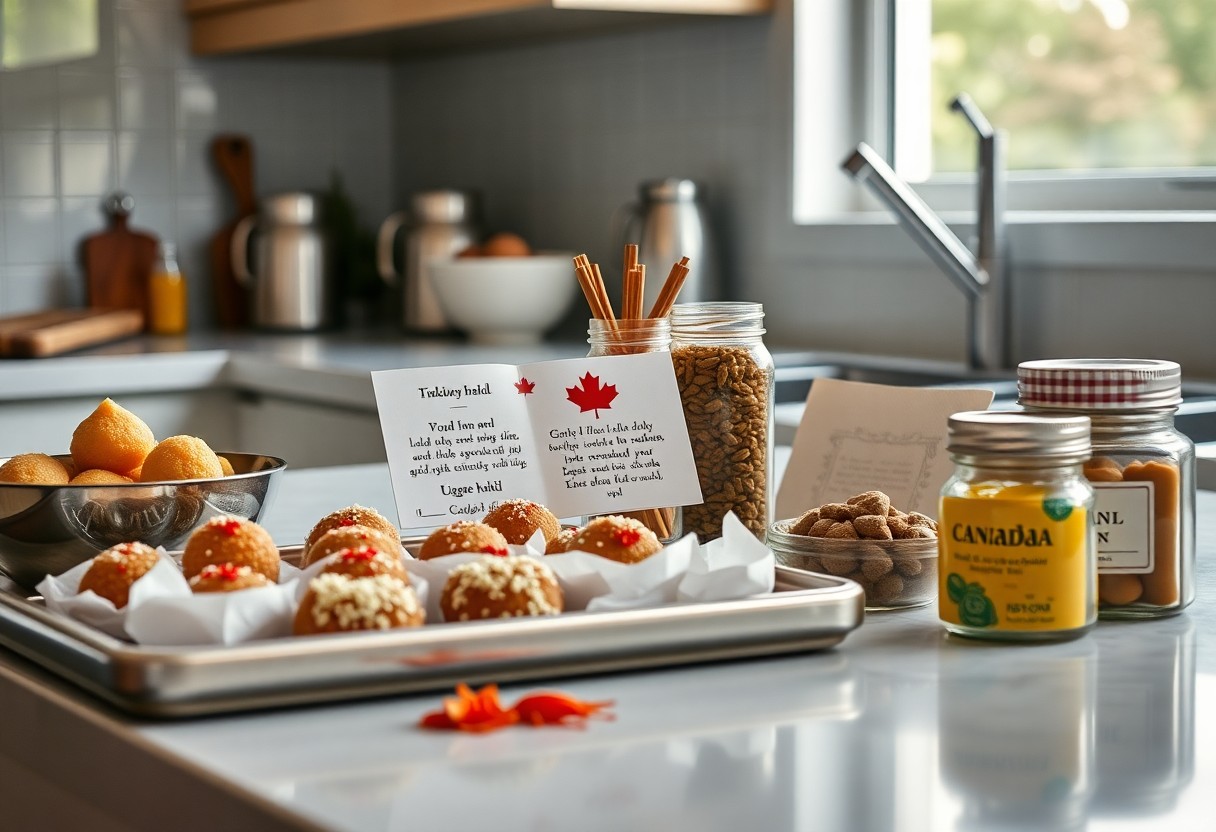
How to Make Indian Sweets at Home
Perfect the basics: control sugar syrup consistency (1:1 for jalebi, 1:1.25-1.5 for gulab jamun), reduce 1 L whole milk to about 200-250 g khoya in 60-90 minutes, and keep frying oil at 160-170°C for even colouring. You should weigh ingredients, use a heavy-bottomed pan to prevent scorching, and test chhena by forming smooth, crack-free balls for rasgulla; these small checks deliver repeatable texture and authentic flavour.
Essential Ingredients
Assemble staples you’ll use across recipes: full‑fat milk (1 L → ~200-250 g khoya), ghee, sugar, jaggery, besan (gram flour), chhena/paneer, semolina (sooji), cardamom, saffron, pistachios and cashews. You’ll also want a reliable thermometer, a heavy pan, muslin for draining curds, and small moulds or piping bags for shaping-these tools and specific ingredients cut prep time and improve consistency.
Simple Recipes to Try
Start with four approachable sweets: gulab jamun (45-60 minutes), rasgulla (about 60 minutes), besan ladoo (20-30 minutes), and kaju katli (30-40 minutes). You can scale quantities, use ready khoya or store‑bought paneer to speed things up, and choose one syrupy and one dry sweet to practise both boiling and low‑heat roasting techniques.
When attempting those recipes, focus on two technical points: achieve a one‑string syrup for gulab jamun and jalebi, and knead chhena until smooth for springy rasgullas. You should roast besan on low heat until nutty aroma appears (8-12 minutes), cook kaju‑sugar till it forms a pliable dough, and chill set sweets for 30-60 minutes before cutting; small timing and temperature tweaks change final texture.
Conclusion
With these considerations you can enjoy authentic Indian sweets in Canada by sourcing specialty shops or ordering directly from trusted makers, choosing shelf-stable or frozen varieties, and mastering proper storage and reheating to preserve texture and flavour; leverage vacuum-sealing, refrigeration, and clear labelling when transporting, and experiment with homemade recipes using pantry staples so your celebrations always include familiar tastes-your efforts will reliably bring the flavour of India anytime, anywhere.