You are about to launch on a delicious journey through Punjab’s rich culinary heritage with its irresistible sweets. Punjabi sweets not only tantalize your taste buds, but also tell stories of vibrant festivals and cultural traditions. From the sticky delight of Gulab Jamun to the creamy indulgence of Kheer, these desserts are a must-try for any food lover. Join us as we explore the top Punjabi sweets you must experience at least once in your lifetime, ensuring that your culinary adventures are both satisfying and unforgettable.
The Quintcrucial Sweet: Jalebi
Jalebi stands tall as one of the most beloved sweets in Punjabi cuisine. Its golden, spiraled form delights with a crispy texture on the outside and a syrupy sweetness that floods your palate. Typically enjoyed hot, this treat is not just a dessert but a symbol of celebration, often served during festivals and special occasions. The delightful contrast of warmth and sweetness makes it a must-try for any food lover visiting Punjab.
The Art of Jalebi Making
Crafting jalebi is an intricate process that requires skill and patience. The batter, made from fermented flour, is piped into hot oil in circular patterns, creating mesmerizing spirals. These are then immersed in a sugary syrup infused with cardamom and saffron. The balance between frying time and syrup soaking is crucial; too much of one can ruin the perfect sweet. Experience this culinary art at local sweet shops where decades of tradition ensure the best flavors in every bite.
Cultural Significance of Jalebi
Jalebi is deeply woven into the fabric of Punjabi culture, often associating with joyous occasions. From festive celebrations like Diwali to everyday family gatherings, this sweet embodies happiness and togetherness. Its presence in weddings and religious festivals symbolizes prosperity and delight, making it more than just a treat; it’s a cultural emblem that resonates deeply with Punjabi identity.
At weddings, jalebi is frequently paired with other traditional dishes, creating a rich, celebratory atmosphere. Its vibrant color and unique shape are not only visually appealing but also serve as a reminder of the shared experiences and joyous moments in life. In street markets, the sizzling sound of jalebi being fried is often accompanied by laughter and chatter, symbolizing community and the warmth of shared culture. Enjoying jalebi is not merely about savoring a sweet; it’s about indulging in the essence of Punjabi life itself.
Indulging in Barfi: More Than Just a Dessert
Barfi transcends the boundaries of dessert, embodying celebration and culture in every bite. This popular Indian sweet, often made from condensed milk, sugar, and various flavorings, reflects the artistry of Punjabi confectioners. Its rich texture and versatility make it a staple during festivals and weddings, allowing you to savor the sweet life while sharing meaningful moments with loved ones.
Varieties of Barfi You Can’t Miss
Delve into a delightful world of barfi varieties, each offering a unique taste experience. You’ll find traditional options like Kaju Barfi, made with cashew nuts, and Pista Barfi, crafted with pistachios, alongside innovative flavors such as chocolate or mango barfi. Each type captures regional nuances, showcasing the creativity of local makers and bringing a personal touch to every celebration.
How Barfi Represents Punjabi Hospitality
Barfi is more than a sweet treat; it symbolizes the warmth and generosity of Punjabi hospitality. Offering barfi to guests is a time-honored tradition, signifying friendship and respect. During gatherings, serving a variety of barfi not only caters to different tastes but also expresses the host’s eagerness to share the sweetness of their culture, making every occasion memorable.
Barfi’s representation of Punjabi hospitality is deeply rooted in cultural practices. In Punjabi households, barfi is often the centerpiece of festive occasions, shared among family and friends as a token of goodwill. When you enter a Punjabi home, expect to be greeted with a plate of meticulously crafted barfi, making you feel instantly welcomed. This act of offering sweets showcases the importance of sharing joy and highlights how deeply ingrained warmth and generosity are in Punjabi values.
Luscious Ladoo: A Celebration of Flavor and Tradition
Ladoo embodies the essence of Punjabi sweets, blending rich flavors and textures that make it a staple in celebrations. Each bite offers more than just taste; it carries the legacy of generations, evoking memories of family gatherings and festive occasions. Whether made with gram flour, semolina, or coconut, these round delights are crafted with care, symbolizing joy and hospitality. Your palate is in for a treat with each variety that tells its own delicious story.
Popular Types of Ladoo in Punjab
Each type of ladoo in Punjab showcases a unique blend of ingredients and flavors. Here are some favorites:
- Besan Ladoo
- Motichoor Ladoo
- Coconut Ladoo
- Rava Ladoo
- Flaxseed Ladoo
Assume that exploring these varieties will enhance your appreciation of Punjabi sweets and tradition.
| Type of Ladoo | Main Ingredients |
|---|---|
| Besan Ladoo | Gram flour, ghee, sugar |
| Motichoor Ladoo | Chickpea flour, sugar syrup, cardamom |
| Coconut Ladoo | Grated coconut, condensed milk, nuts |
| Rava Ladoo | Semolina, ghee, sugar |
| Flaxseed Ladoo | Flaxseeds, jaggery, sesame seeds |
Ladoo in Festivals and Celebrations
Ladoo plays a significant role in Punjabi festivals and celebrations, often associated with rituals and offerings. These sweets symbolize happiness, prosperity, and blessings during important occasions like Diwali, Lohri, and weddings. It’s common to distribute ladoos among friends and family as a gesture of goodwill and sharing joy. Each festival showcases a specific type of ladoo, reflecting the rich cultural heritage and culinary artistry of the region.
During festivals, ladoos are not merely desserts; they serve as a medium for expressing generosity and togetherness. For instance, during Diwali, families prepare large batches of Motichoor Ladoo, sharing them with neighbors and loved ones as a means to spread positivity. Celebrations are incomplete without the presence of these sweets, reinforcing bonds and creating joyous memories. In every bite, you savor a piece of tradition, bringing the spirit of Punjabi culture to life.
Gajar Ka Halwa: The Nutritious Delight
Gajar Ka Halwa, a warm and comforting dessert, is a quintcrucial Punjabi sweet that tantalizes your taste buds with its rich flavors. Made from grated carrots, this dessert is slow-cooked to perfection with milk, sugar, and ghee, creating a luscious treat that’s both delicious and nutritious. Often garnished with nuts and raisins, each bite offers a delightful blend of texture and sweetness, making it an irresistible indulgence during cold weather.
The Ingredients That Make It Special
The secret to Gajar Ka Halwa’s distinct taste lies in its simple yet high-quality ingredients. Fresh, vibrant red carrots are key, providing natural sweetness and a rich color that enhances the dish. Full-fat milk adds creaminess while khoya intensifies the flavor, creating a decadent base. A hint of cardamom elevates the aroma, while the addition of almonds and cashews adds a delightful crunch, making every mouthful an experience in itself.
Seasonal Popularity and Its Role in Punjabi Cuisine
Primarily enjoyed during the winter months, Gajar Ka Halwa is a staple at Punjabi celebrations and festivals. The abundance of fresh carrots during this season means that you will find this dish gracing many tables. Its warmth and richness provide comfort against the chilly weather, making it a perfect winter indulgence that brings family and friends together.
The popularity of Gajar Ka Halwa is particularly notable during festivals like Lohri and Makar Sankranti, where it symbolizes prosperity and harvest. During these celebrations, the dish is often prepared in large quantities, allowing for communal enjoyment. The seasonal availability of fresh carrots not only enhances the taste but also connects you to traditional culinary practices, showcasing how local ingredients play a vital role in Punjabi culture. This dessert has become synonymous with warmth and togetherness, making it an integral part of festive gatherings and family feasts.
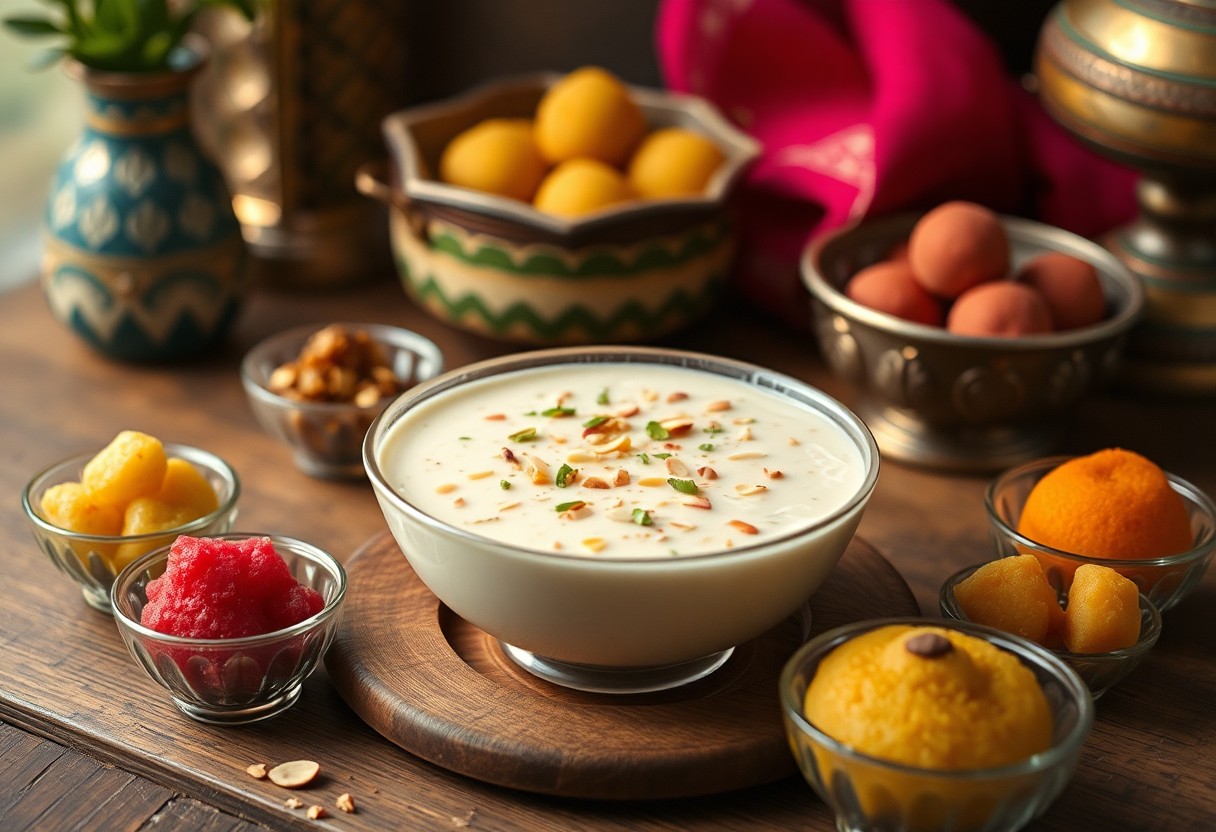
Kheer: The Creamy Comfort Food
Kheer is an indulgent rice pudding that offers a delightful blend of creamy texture and sweetness that comforts the soul. Made from simple ingredients like rice, milk, sugar, and flavored with cardamom, nuts, and raisins, this dish is a staple at festive occasions and family gatherings. Its smooth consistency and rich taste make it a beloved dessert, evoking memories of home-cooked meals and joyous celebrations.
Regional Twists on Classic Kheer Recipes
Across Punjab, kheer recipes take on regional variations that reflect local ingredients and culinary traditions. You might encounter variations like carrot kheer, where grated carrots add a unique sweetness, or samak kheer, made during fasting periods, showcasing diverse preparations. These creative adaptations keep the essence of kheer alive while introducing exciting new flavors that cater to diverse palates.
Kheer’s Place in Punjabi Celebratory Traditions
Kheer holds a significant role in Punjabi festivities, often being prepared for celebrations such as weddings, birthdays, and religious occasions. Its presence symbolizes prosperity and joy, often served as a prasad or offering in temples. Families gather to share this sweet delight, enhancing the sense of community and bonding during special moments, making it a dish that transcends generations.
During major festivals such as Diwali and Lohri, kheer becomes more than just a dessert; it is a cherished component of the celebration. Families prepare large quantities to share with friends and neighbors, reinforcing bonds within the community. The richness of kheer, coupled with its cultural significance, transforms it into a sweet tradition that encapsulates the essence of Punjabi hospitality and joy, creating lasting memories with each spoonful.
Summing up
Ultimately, exploring top Punjabi sweets offers you an enriching experience that tantalizes your taste buds and deepens your appreciation for this vibrant cuisine. Each dessert, from the indulgent Gulab Jamun to the rich Burfi, provides a unique blend of flavors and cultural significance. By trying these sweets, you not only satisfy your cravings but also connect with the heritage and warmth that Punjabi culture embodies. Make it a point to savor these treats at least once to fully appreciate the culinary delights that await you.