Just as celebrations light up your life, the sweetness of Gulab Jamun and Rasgulla adds a unique flavor to Indian festivals. These iconic desserts, steeped in history and tradition, symbolize joy and togetherness during special occasions. You may find that sharing these sweets with family and friends not only enhances your festive experience but also connects you to India’s rich culinary heritage. Understanding the role these treats play in your cultural celebrations can deepen your appreciation for their significance and the joy they bring to your festivities.
The Cultural Significance of Gulab Jamun
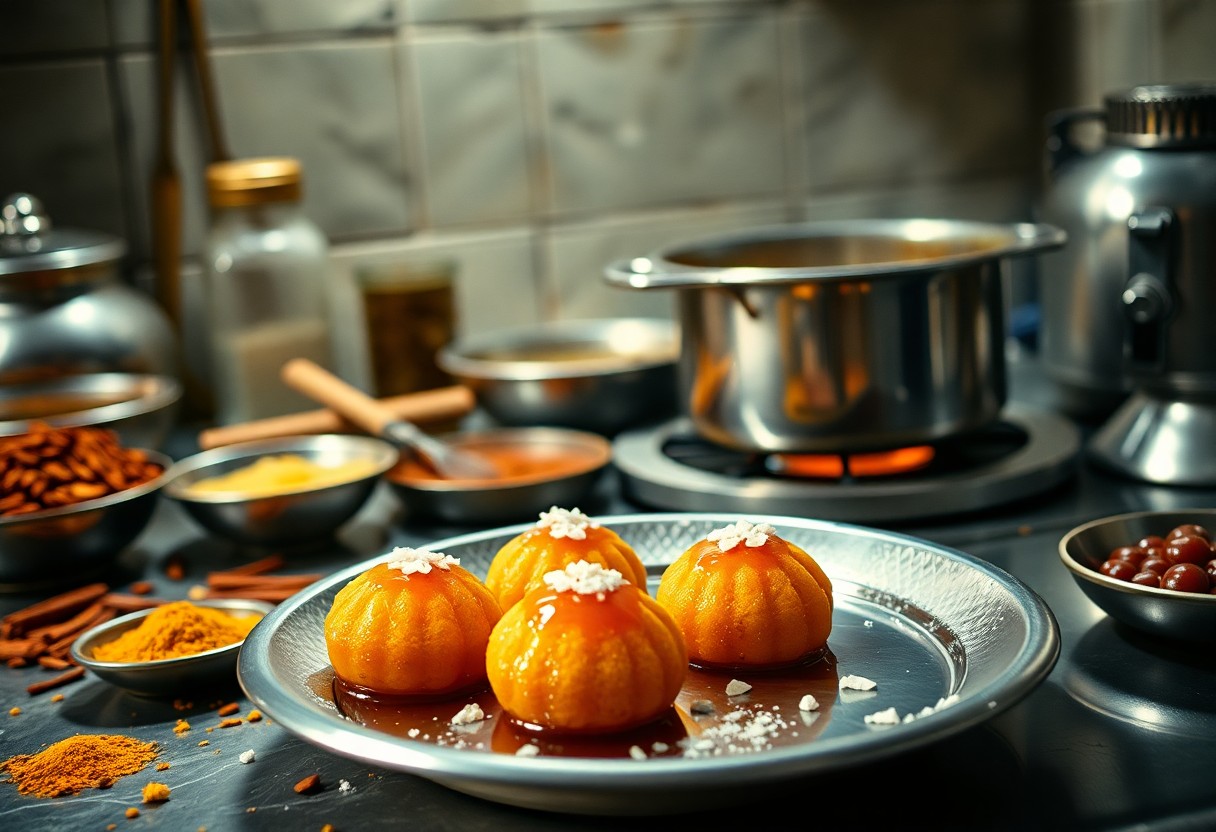
Gulab Jamun holds a cherished place in Indian culture, symbolizing sweetness not just in flavor but also in relationships. This iconic dessert embodies love, celebration, and togetherness; it’s often gifted and shared during significant life events, serving as a bridge between generations. From wedding feasts to family gatherings, its role transcends mere dessert status, becoming a cherished reminder of shared joy and traditions.
Sweet Beginnings: Origin and Evolution
The origins of Gulab Jamun can be traced back to the medieval Mughal era, with stories of Persian influences shaping its evolution. Initially called ‘lauzi,’ these delectable spheres were made with khoya (reduced milk) and flavored with fragrant rose water, evolving into the beloved dessert you enjoy today. Over centuries, regional variations emerged, reflecting the diversity of Indian culture, yet the core essence of this sweet treat remained intact, continuing to capture your heart with each bite.
Festivals and Celebrations: A Central Role
During festivals, Gulab Jamun takes center stage, symbolizing the essence of celebration and communal joy. Natives of India and the diaspora alike often prepare this dessert for occasions like Diwali, Eid, and weddings, where its presence signifies hospitality and merriment. The act of sharing these sweet, syrup-soaked morsels is a cultural practice that fosters bonds and strengthens ties among families and friends, highlighting how food plays a crucial role during festive moments.
During major festivals such as Diwali, the Festival of Lights, Gulab Jamun is not merely a treat; it personifies the spirit of the occasion. Cooked in generous batches, families put in extra effort to make this sweet dish, often initiating traditions where loved ones gather to savor the delicacies and create memories. You might recall the fragrance of freshly made Gulab Jamun wafting through homes, enhancing the festive atmosphere and evoking nostalgia. Beyond mere enjoyment, these traditions remind you of the importance of togetherness, reaffirming your connection to culture and community.
Rasgulla’s Sweet Place in Tradition
Rasgulla, the spongy and syrupy confection, holds a unique position in the heart of Indian tradition. Originating from the eastern states of India, particularly Odisha and West Bengal, this beloved dessert is more than just a treat; it embodies the essence of joy and celebration. The delicate sweet is not just a dessert but a symbol of hospitality and cultural pride, often served during significant milestones such as weddings, births, and religious festivals. Its rich texture and mouthwatering sweetness create memorable moments, connecting families and communities through shared indulgence.
Regional Variations and Their Meanings
Each region in India brings its own flair to Rasgulla, showcasing distinctive variations that highlight cultural significance. In Odisha, the traditional “rasgulla” has a softer texture and is often larger, while West Bengal is famous for its lighter, more syrupy version known as “sandesh.” These variations tell stories of local traditions and preferences, making each bite a reflection of the region’s culinary identity. For instance, in Bengal, rasgullas symbolize the Bengali cultural affection for sweets and are inseparable from celebrations like Durga Puja.
Rituals and Celebrations Featuring Rasgulla
Rasgulla plays a pivotal role in numerous Indian rituals and celebrations. It’s often served during festivals like Diwali and Holi, symbolizing sweetness and abundance. Engaged couples and families share rasgullas during wedding ceremonies, reinforcing bonds and communal happiness. Furthermore, bhog (offering) to deities, especially during festive occasions, often includes this delightful sweet, signifying devotion and gratitude.
During Durga Puja, for example, rasgullas are not just a dessert but an offering made to the Goddess Durga, representing a sweet aspiration for prosperity and harmony. In family gatherings, sharing rasgulla fosters togetherness, as everyone indulges in this delicious treat, celebrating life’s beautiful moments. The presence of rasgulla during these events creates a festive atmosphere, enhancing joy and togetherness, making each celebration truly memorable.
Taste and Texture: The Allure of Indian Sweets
The intricate world of Indian sweets captivates your senses with a delightful blend of taste and texture. Whether it’s the melt-in-your-mouth experience of a freshly prepared gulab jamun or the delightfully spongy nature of a rasgulla soaking in syrup, each bite transports you through layers of flavor. The contrast between the soft, pillowy textures and the syrupy sweetness keeps you coming back for more, making these treats an crucial part of any celebration or gathering.
The Chemistry of Flavor and Texture
Culinary Techniques Behind Perfecting the Sweets
The Role of Gulab Jamun and Rasgulla in Family Gatherings
Gulab Jamun and Rasgulla are often the crown jewels of family gatherings, symbolizing togetherness and celebration. These sweets play a vital role in creating an inviting atmosphere, encouraging laughter and shared stories. At weddings, birthdays, or festivals, they are usually the highlight of the feast, serving not only as a delicious end to the meal but also as a heartwarming reminder of the joys of family bonds. Your loved ones gather around the table, indulging in these treats, creating an experience that transcends generations.
Creating Memories: Sweets as Symbolic Tokens
Sweets like Gulab Jamun and Rasgulla embody the essence of Indian culture, acting as symbolic tokens of love and affection. When you serve these treats, you are not just offering dessert; you’re sharing cherished memories and traditions that connect you with your family’s heritage. Each bite evokes nostalgia, reminding you of celebrations from your past, making them indispensable at every family gathering.
The Intergenerational Connection Through Culinary Traditions
The preparation of Gulab Jamun and Rasgulla often becomes a rite of passage in families, tying together generations in the process. You might find yourself in the kitchen alongside your grandmother, learning the secrets of achieving the perfect consistency or savoring the aroma as the sweets soak in sugar syrup. This shared experience fosters a bond that goes beyond the kitchen, creating stories that are passed down, enriching your family’s narrative and understanding of cultural identity.
This connection through culinary traditions allows for an exchange of not just recipes but also life lessons and family values. When you learn to make these sweets, you probe into your family’s history, absorbing anecdotes and wisdom shared by previous generations. Each method has its unique story; perhaps your mother’s Rasgulla recipe originates from her grandmother’s kitchen in Bengal, bringing with it tales of festivals and family gatherings from years gone by. These practices reinforce relationships across age groups and ensure that the art of sweet-making continues to flourish within your family, adding layers to both your culinary skills and familial bonds.
From Home Kitchen to Commercial Success: The Business of Indian Sweets
The transition from family kitchens to commercial enterprises is a hallmark of the Indian sweet market. Many families with rich culinary traditions have taken a leap, launching their own sweet shops and brands to share beloved recipes, like Gulab Jamun and Rasgulla, with a wider audience. This evolution highlights how homemade delicacies can achieve both nostalgia and profitability, drawing in customers who yearn for authentic tastes that remind them of home.
The Rise of Sweet Shops and Modern Adaptations
Sweet shops have proliferated across India and beyond, adapting traditional recipes into contemporary offerings. Artisanal variants of Gulab Jamun and Rasgulla now feature innovative flavors such as chocolate, mango, or even fusion desserts. This evolution helps keep these sweets relevant, catering to modern palates while still celebrating long-standing traditions, which you often see in bustling marketplaces or during festive seasons.
Gulab Jamun and Rasgulla in the Global Market
As Indian cuisine garners global appreciation, Gulab Jamun and Rasgulla have transcended geographical boundaries. These sweets are now featured in international restaurants, catered events, and even packaged for global distribution. With a significant increase in Indian diaspora communities, the demand has expanded into new territories, driving entrepreneurs to create frozen or ready-to-eat versions that allow customers to enjoy these delicacies anywhere in the world.
Recent data indicates a spike in sales of Indian sweets in North America and Europe, with the market for traditional Indian desserts projected to grow annually by over 5% in the coming years. Companies are investing in both traditional craftsmanship and modern marketing strategies to appeal to diverse audiences. For instance, some brands are collaborating with renowned chefs to introduce these confections in 5-star dining or via online marketplaces, ensuring that Gulab Jamun and Rasgulla reach gourmet enthusiasts who seek authenticity infused with a modern twist.
To wrap up
Hence, as you immerse yourself in the vibrant world of Indian festivals, you can’t overlook the significance of sweets like Gulab Jamun and Rasgulla. These iconic desserts not only tantalize your taste buds but also symbolize joy, love, and togetherness within your cultural celebrations. Incorporating these treats into your festivities enhances your experience, making each occasion memorable and deeply rooted in tradition. So, the next time you partake in a celebration, let the sweetness of these confections enrich your connections with family and friends.