There’s no need to travel; you can find authentic Indian desserts across Canada by visiting local sweet shops, attending cultural markets, and mastering simple recipes using Indian ingredients available at specialty stores.
Identifying Authenticity: Key Factors of Traditional Indian Sweets
Look for simple ingredient lists, handmade texture and balanced sweetness as markers of authenticity; small-batch mithai use fresh ingredients and minimal additives. Perceiving saffron, cardamom and roasted milk notes helps you pick true traditional treats.
- You check milk solids and ghee quality
- You look for whole spices like saffron and cardamom
- You assess texture and handmade appearance
- You avoid additives and vague flavor listings
Recognizing High-Quality Milk Solids and Ghee
Assess color, aroma and melt: premium khoa and ghee have deep cream color, nutty aroma and smooth mouthfeel; they caramelize lightly when heated. You can test by warming a tiny piece-authentic ghee smells buttery, and khoa flakes should be dense, not chalky.
Distinguishing Natural Aromatics from Artificial Flavorings
Sense layered fragrances that evolve-saffron unfolds floral and hay notes, cardamom offers citrusy warmth-while artificial essences hit one sharp note. You can sniff for complexity and check ingredient lists for whole spices or oils versus vague “natural flavors.”
Smell and taste samples warm: when you gently heat a morsel, authentic aromatics bloom-saffron lends a honeyed floral tone, cardamom gives green, citrusy top notes and rose oil brings a soft, lasting perfume. You should rub a cardamom pod to compare freshness, watch for chemical aftertastes, and choose sweets listing whole spices or saffron strands rather than generic essences.
Finding Local Gems: Tips for Locating Authentic Shops in Canada
Search community groups, online reviews, and grocery owners to see if you find imported ingredients and handwritten menus.
- Ask locals at temples or cultural centers
- Follow chefs and food bloggers
The best shops let you sample classics made with traditional techniques.
Exploring Cultural Enclaves in Major Urban Centers
Explore neighborhoods like Brampton, Surrey, Little India in Toronto, and Vancouver’s Punjabi Market where you can ask vendors about homemade sweets and seasonal specialties.
Evaluating Shop Reputation and Traditional Preparation Methods
Assess online ratings, ask if recipes are family heirlooms, and confirm on-site preparation so you know whether sweets are freshly cooked and follow traditional methods.
Consider asking about ingredient origins, observing techniques like slow cooking and ghee usage, requesting small samples, checking if milk solids are made in-house, and comparing textures and aromas to authentic examples you’ve enjoyed abroad so you can judge true traditional preparation.
How-to Navigate a Mithai Counter Like an Expert
Approach the mithai counter with questions ready: ask about freshness, ingredients, and portion sizes, request a small taste, and watch for uniform texture and color so you can pick sweeter or milder options based on your palate.
Categorizing Sweets by Texture and Base Ingredients
Sort sweets into milk-, flour-, syrup- and nut-based groups, and classify textures as syrupy, crumbly, fudgy, or spongy so you can pair choices with beverages and portion sizes according to richness.
Understanding Regional Specialties from North to South India
Trace flavors from cardamom-rich northern milk sweets like peda and rabri to coconut- and jaggery-based southern treats such as payasam and mysore pak so you can identify regional signatures by ingredient focus and spice balance.
Compare northern syrupy classics-jalebi, rasgulla, gulab jamun-with southern favorites like payasam, ada pradhaman, and coconut burfi when choosing; you’ll look for shops run by specific communities or festival menus, and ask about homemade versus factory-made processes to assess authenticity.
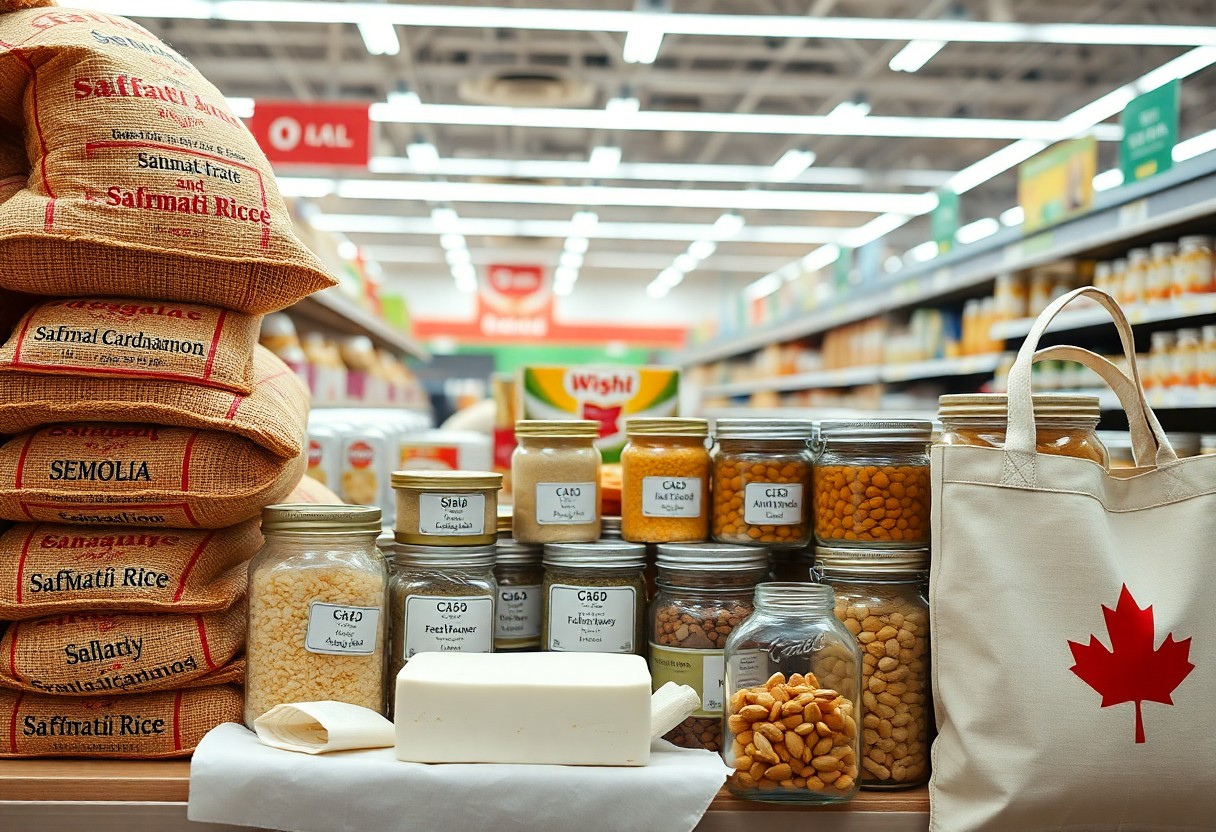
Sourcing Ingredients: Tips for the Home Confectioner
Sourcing staples locally speeds prep; you can visit Indian grocers, bulk stores, or online shops for authentic items:
- green cardamom
- besan (chickpea flour)
- ghee
Any swaps should preserve texture and flavor.
Finding Specialized Spices and Flours in Canadian Markets
Explore farmer’s markets, South Asian grocers, and online retailers to find whole spices, atta, and regional flours; you can often buy fresh cardamom pods and stone-ground atta in small batches.
Selecting the Right Dairy Substitutes for Authentic Results
Choose full-fat plant milks and cultured yogurts to mimic richness; you should prefer coconut or cashew milks for sweets and use thickened coconut cream to simulate malai.
When you need to replace milk, prioritize full-fat coconut or cashew milks for gulab jamun and kheer to achieve similar mouthfeel; blend cashew milk with a touch of milk powder for creaminess if you tolerate dairy. If you use plant yogurt for shrikhand, strain it to thicken and add a spoon of coconut cream for richness. For ghee-like flavor, brown coconut oil gently with a pinch of asafoetida or a drop of ghee if possible to mimic aroma.
How-to Recreate Classic Indian Desserts in a Canadian Kitchen
You can recreate classic Indian desserts using local ingredients like full-fat milk, ricotta or mascarpone for khoya, and instant mixes for quick gulab jamun; adjust sweetness and spice to match Canadian dairy and sugar profiles while following simple step-by-step methods.
Mastering Simplified Techniques for Gulab Jamun and Kheer
Practice simplified techniques-use shallow frying or pressure-cook khoya substitutes and simmer rice slowly for kheer-so you produce consistent textures with familiar appliances and limited specialty ingredients.
Adjusting Recipes for Local Humidity and Altitude
When local humidity rises, you should reduce added liquid and increase cooking time slightly; at higher altitudes, simmer longer and lower oven temperatures to prevent curdling and ensure syrup reaches correct consistency.
Monitor humidity with a hygrometer and check syrup progress using a candy thermometer or cold-water test so you judge concentration rather than time. If air is damp, let dough rest uncovered briefly or add a tablespoon of semolina to absorb moisture; at altitude, lower heat and extend simmering to reduce milk gently, testing gulab jamun by texture to avoid raw centers or syrupy collapse.
Serving and Preservation: Factors for Maximum Enjoyment
Serving matters: plate sweets at room temperature or slightly chilled for correct texture and aroma, and portion smaller to savor richness. This preserves contrast between syrup, milkiness, and fried or baked bases so you enjoy authentic balance.
- Serve at proper temperature to highlight textures
- Use airtight containers to protect aroma
- Reheat gently to restore syrup and crispness
Best Practices for Storing Milk-Based vs. Flour-Based Sweets
Store milk-based sweets in airtight containers in the fridge for up to four days, and keep flour-based confections in a cool, dry spot at room temperature for two to three days; you should wrap them to avoid moisture loss.
How-to Reheat Syrupy Desserts to Restore Original Texture
Reheat syrupy desserts gently over low heat, stirring until syrup loosens; you can microwave in short bursts covered to trap steam, then rest briefly to let textures settle.
Gently warm syrupy desserts in a shallow pan over very low heat, adding a tablespoon of water or milk if the syrup has thickened; stir constantly until the syrup loosens and the base rehydrates. You can microwave covered at 50% power in 15-20 second intervals, checking texture between bursts. For fried or layered sweets, finish in a preheated 300°F oven for 5-7 minutes to crisp edges without drying the interior, then let the dessert rest briefly so flavors redistribute before serving.
Summing up
Considering all points, you can enjoy authentic Indian desserts in Canada by visiting local Indian sweet shops, attending cultural events, learning simple recipes, and sourcing ingredients from specialty grocers or online; you’ll satisfy cravings and appreciate traditional flavors without leaving the country.