With Canada’s multicultural landscape evolving, you now encounter Indian sweets moving from community celebrations into mainstream markets and restaurants. Your exposure to ladoo, jalebi, gulab jamun and barfi reflects entrepreneurship, shifting consumer tastes, and supply-chain adaptation; this post outlines market trends, cultural significance, and culinary integration.
The History of Indian Sweets
You can trace many mithai traditions to Vedic texts (c.1500-500 BCE), where honey- and grain-based offerings first appear. Over centuries sugarcane cultivation and refinement transformed local sweet-making, while the Mughal era (16th-18th centuries) introduced rich milk reductions, saffron and dry fruits that shaped barfi, halwa and rabri. By the 19th century regional specialties like Bengal’s rasgulla emerged, and colonial-era trade plus 20th-century migration carried these recipes into diasporas such as Canada’s South Asian communities.
Traditional Ingredients and Recipes
You’ll encounter core ingredients such as ghee, khoya (reduced milk solids), chhena (acid-coagulated paneer), besan, jaggery, coconut, cardamom and saffron. Many recipes hinge on simple chemistry: khoya reduced to specific dryness for peda, chhena kneaded for elastic rasgulla, and controlled syrup concentration for jalebi and gulab jamun. Street and home methods differ-motichoor uses a finely sieved boondi, while south Indian payasam relies on slow-simmered coconut milk or milk.
Cultural Significance of Sweets in Indian Festivals
Sweets act as prasad, gifts and social currency during Diwali, Holi, Raksha Bandhan, weddings and newborn ceremonies, so you’ll see mithai boxes exchanged to seal relationships and mark auspicious starts. Temples distribute specific sweets-ladoos at Ganesh Chaturthi, payasam for Onam-and regional names like sandesh or peda signal local identity. The sharing of sweets performs hospitality and social reciprocity across caste and community lines.
Beyond ritual you’ll notice sweets underpin festival economies and communal rituals: community kitchens produce hundreds or thousands of servings during temple festivals, and confectioners ramp up production before Diwali. In diaspora hubs such as Toronto and Brampton, festival queues and pre-order systems reflect demand, while recipe adaptations-less sugar, local dairy-show how traditions evolve when you recreate them abroad.
Growth of Indian Sweets in Canada
You’ve witnessed Indian sweets move from niche grocery counters to mainstream menus across cities like Toronto, Brampton, Vancouver and Surrey; with over 2.6 million South Asian Canadians (2021), demand during Diwali, weddings and community festivals now drives year-round sales, while supermarkets, specialty grocers and delivery platforms expand shelf space and reach for mithai staples such as gulab jamun, ladoo, jalebi and kulfi.
Community Influence and Demand
You notice community events and cultural associations fuel predictable spikes-Diwali and Vaisakhi orders jump by the hundreds to thousands for temple langars, weddings and corporate celebrations; social media groups and local influencers in the GTA and Metro Vancouver also steer younger, cross-cultural customers toward traditional and fusion sweets.
Establishment of Sweet Shops and Bakeries
You see a landscape ranging from family-run mithai counters on Gerrard Street East and Brampton plazas to purpose-built bakeries in suburban strip malls; many shops combine walk-in sales with wholesale supply to restaurants and catering, while festival-season pop-ups amplify brand visibility.
You should expect varied business models: storefronts supported by online ordering, cloud kitchens serving Uber Eats/SkipTheDishes, and wholesale accounts with caterers and grocery chains. Operators adapt recipes for Canadian taste and shelf-life, offer fusion items (rasmalai cheesecake, saffron panna cotta), comply with provincial food-safety and labeling rules, and invest tens of thousands to outfit commercial kitchens and refrigerated displays to scale reliably.
Popular Indian Sweets in Canada
Across Canadian cities from Toronto to Surrey you’ll see Indian sweets featured at grocery aisles, specialty bakeries and festival stalls; bakeries commonly sell party trays sized for 50-200 guests and individual portions of 2-4 pieces. Festivals like Diwali and wedding seasons drive peak demand, while fusion cafés in Vancouver and Brampton experiment with saffron-raspberry barfi and gulab jamun cheesecake to attract wider palates.
Gulab Jamun and Jalebi
Gulab jamun, made from khoya or milk powder, is deep-fried then soaked in cardamom- and rose-scented syrup, typically served warm in portions of 2-3 pieces; jalebi uses a fermented maida batter piped into spirals, fried and soaked in saffron syrup for a crisp-chewy contrast. You’ll find both in boxes of six or on party trays, and street-food vendors at South Asian festivals often sell jalebi by the piece.
Ladoo and Barfi
Ladoo varieties-besan, motichoor and coconut-use gram flour, tiny boondi pearls or shredded coconut bound with ghee and sugar, while barfi is a milk-solid confection often flavored with pistachio, cashew or cardamom and cut into diamond shapes; shops in Canada price these by weight, commonly offering 250 g and 1 kg trays for events and gifting.
In practice, you’ll notice regional variations: Punjabi shops favor dense ghee-infused ladoos, Gujarati vendors specialize in fine motichoor, and Indo-Canadian patisseries produce fusion barfis like mango-pista. If you’re ordering for a celebration, expect vendors to advise refrigerated transport and same-week consumption for optimal texture, with shelf-stable besan ladoos lasting longer than milk-based barfi.
Fusion of Indian Sweets with Canadian Flavors
In Toronto and Vancouver you can spot gulab jamun donuts, rasmalai cheesecakes, and mango kulfi gelato studded with BC blueberries, where dozens of bakeries and weekend markets blend traditions. Chefs fuse saffron, cardamom, and pistachio with 100% Canadian maple syrup or Québec cream to create hybrid desserts that sell at festivals and multicultural cafés, giving your palate familiar textures with distinctly local notes.
Innovative Variations
Pastry teams are reimagining classics: you’ll find chai-spiced crème brûlée, jalebi funnel cakes, and pistachio burfi enrobed in 70% dark chocolate. Small-run shops offer tasting flights-three to five mini-sweets per order-helping you compare Moroccan-style cardamom biscuits against Indo-Canadian reinterpretations and showing how technique from French patisserie elevates mithai structure and presentation.
Collaboration with Local Ingredients
Maple syrup, BC berries, and Ontario apples frequently replace traditional sweeteners and fruit in contemporary mithai; you might taste laddoos rolled in maple sugar or gajar halwa finished with local butter. Chefs partner with dairies and berry growers to secure fresher cream and fruit, so your sweets reflect seasonality and cut down on imported syrups and dried ingredients.
Producers often form direct relationships: you can trace a kulfi’s cream to a Québec dairy or a barfi’s blueberry compote to a Vancouver Island farm. Co-branded pop-ups and farmers’ market collaborations let you meet the growers, and seasonal sourcing unlocks limited-edition runs-spring rhubarb rasgullas or autumn apple-cardamom barfis-that diversify menus and highlight regional provenance.
The Role of Social Media in Promoting Indian Sweets
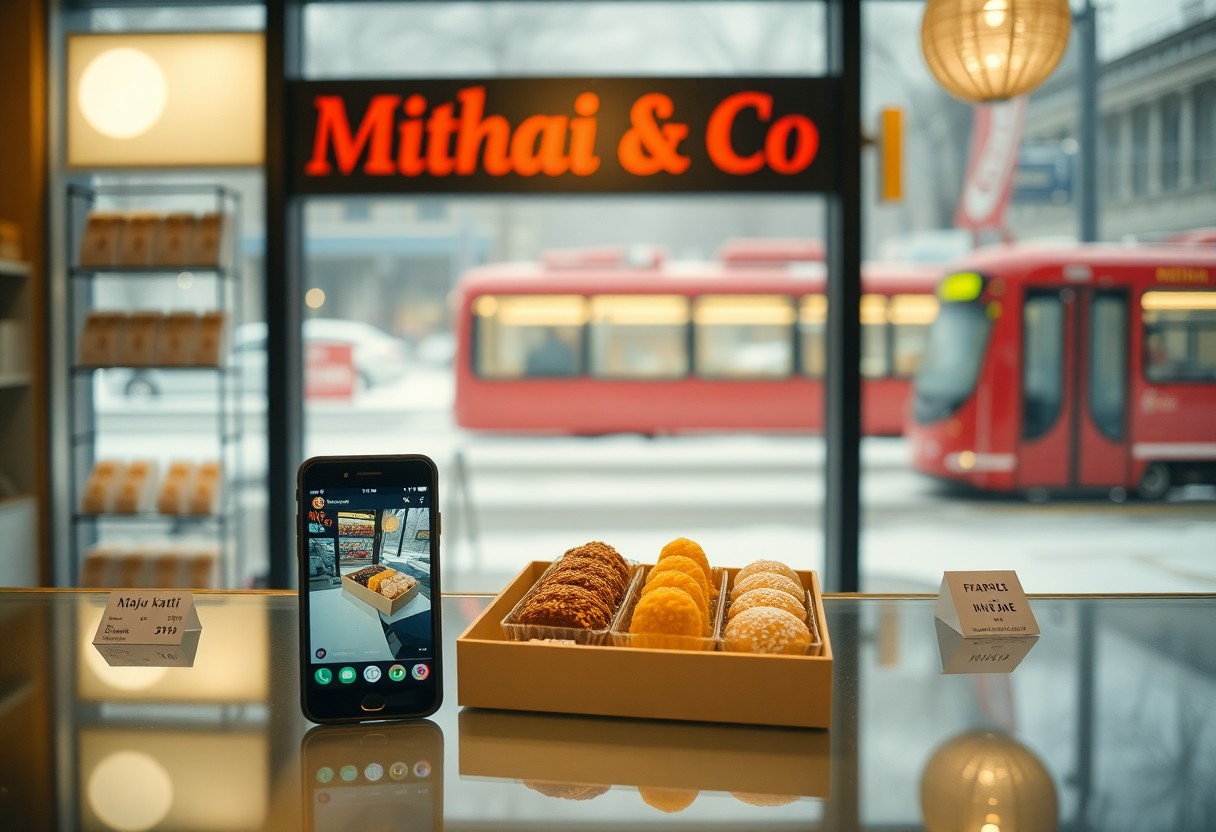
Social platforms like Instagram (≈2 billion users) and TikTok (≈1 billion) have turned visual, short-form content into a discovery engine for mithai; you watch reels of jalebi spirals or slow-motion gulab jamun being drenched and then search “mithai near me.” Hashtags such as #mithai and geo-tags for Brampton or Surrey help you find local shops, while shopping tags and in-app ads convert those views into website visits and bookings almost immediately.
Food Blogging and Influencers
Food bloggers and micro-influencers in Canada-often with 10k-100k followers-drive high engagement through taste tests, festival guides, and behind-the-scenes videos; you can partner with them for sponsored posts or affiliate codes. Creators frequently spotlight festival bundles for Diwali, and a single well-placed feature can send thousands of visitors to your online store in 24-48 hours, multiplying walk-in traffic and online orders.
Online Sales and Delivery Services
You can sell directly via Shopify and Instagram Shopping while listing prepared sweets on delivery apps like Uber Eats, DoorDash and SkipTheDishes; grocery platforms and marketplaces broaden reach for packaged mithai. Many sellers combine local delivery for fresh orders and nationwide shipping through Canada Post or couriers, using insulated packaging to preserve perishable items during transit.
To scale, set up regional fulfillment or partner with commissary kitchens so you shorten delivery windows to 1-3 days coast-to-coast; you’ll reduce spoilage with gel ice packs and vacuum-sealed trays for rasgulla and barfi. Also test subscription boxes and timed festival bundles-analytics from order data and promo codes show whether same-day delivery or curated Diwali packs lift average order value and repeat purchases.
Celebrating Diversity through Indian Sweets
You see Indian sweets woven into everyday Canadian life: with over 2.6 million South Asian residents (2021 Census), gulab jamun, ladoo and barfi appear at weddings, workplaces and grocery aisles, not just community halls. Vendors pack mithai boxes for Diwali and Eid, while cafés offer cardamom-infused desserts, letting your colleagues and neighbours taste traditions that foster cultural exchange and expand the mainstream palate.
Cross-Cultural Events and Festivals
At Diwali celebrations in Nathan Phillips Square and community melas across Toronto and Vancouver, dozens of vendors sell jalebi, peda and rabri alongside multicultural fare, drawing tens of thousands of attendees. You’ll find cooking demos, tasting booths and fusion stalls-think rose-infused panna cotta or chai tiramisu-where festival-goers sample sweets and learn techniques, turning public events into hands-on cultural classrooms.
Bridging Communities through Food
Community kitchens, temple prasad tables and school cultural days let you taste Indian sweets in shared spaces, breaking barriers through flavor. You often encounter neighbourhood bake sales featuring mithai or food trucks serving rasgulla alongside poutine, enabling casual conversations and friendships that start over a shared plate and grow into deeper cross-cultural connections.
Local programs amplify that bridge: community-centre sweet-making workshops draw mixed groups of 20-30 people, while cafés collaborate with Indian sweet shops to create limited-run fusion desserts that attract new customers. When you participate-whether at a potluck, fundraiser or weekend market-you actively translate curiosity into understanding, and those small exchanges accumulate into measurable social cohesion across neighbourhoods.
Final Words
Drawing together, you can see how Indian sweets have woven into Canada’s culinary fabric, offering nostalgic flavors, entrepreneurial opportunities and cross-cultural exchange. Your festivals, storefronts and kitchens showcase innovation, quality and growing demand, so you can engage with traditions while shaping new tastes and business prospects across communities.