Desserts are a delightful way to explore the rich culinary heritage of India. You’ll find that traditional Indian sweets, such as Gulab Jamun and Rasgulla, have captured hearts across generations. Each dessert not only offers unique flavors and textures but also tells a story of culture and celebration. By delving into these iconic sweets, you can understand why they remain timeless delights in Indian households and festivals. Get ready to indulge in the sweet legacy that continues to enchant your taste buds.
Timeless Indian Sweets That Define Celebrations
As you dive deeper into the world of Indian festivals, you’ll discover that sweets hold an integral place in the heart of every celebration. They symbolize joy, prosperity, and a shared sense of community. From humble beginnings to elaborate feasts, the traditions surrounding these confections create a tapestry of flavors and emotions, making each occasion even more memorable.
The Role of Sweets in Indian Festivals
Sweets serve as a medium to express love and gratitude during Indian festivals. They are exchanged among friends and family, emphasizing the spirit of togetherness. Each sugary delight represents an offering to deities, inviting blessings and joy into homes. Your celebrations would feel incomplete without the presence of these scrumptious treats, which enhance the festive aura and create lasting memories.
Signature Treats of Major Celebrations: Diwali, Eid, and Weddings
Sweets play a starring role in major Indian celebrations like Diwali, Eid, and weddings. During Diwali, you indulge in treats like gulab jamun and barfi, while Eid is celebrated with mouthwatering sheer khurma and baklava. Weddings feature an array of sweets, including kaju katli and petha. These signature treats not only tantalize your taste buds but also reflect the cultural heritage and culinary diversity of India.
At Diwali, families prepare special sweets, such as laddu and peda, to welcome prosperity and light into their homes. Eid festivities bring families together with sheer khurma, a creamy vermicelli pudding loaded with nuts, embodying the essence of sharing. Weddings showcase a stunning spread of sweets, including traditional favorites like mawa cake and rasgulla, aiming to delight guests and symbolize the sweetness of union. Each of these celebrations finds its spirit amplified by these beloved confections, forging connections that last through generations.
The Art and Science of Traditional Sweet Making
Mastering traditional Indian sweet making is as much an art as it is a science. Balancing flavors, textures, and presentations requires both skill and intuition. Understanding the chemical reactions that occur when you ferment, caramelize, or boil ingredients can elevate your desserts to another level. The mastery of sweet making often involves precise timing and temperature control, ensuring that each component is meticulously crafted to create a harmonious final product.
Ingredients That Elevate Indian Desserts
Your choice of ingredients plays a pivotal role in defining the character of Indian sweets. Essentials like khoya, jaggery, and cardamom not only lend distinct flavors but also enhance the overall richness of each dessert. While traditional recipes call for specific items, modern twists are increasingly incorporating exotic additions like saffron, coconut, and nuts, offering a delightful mix of old and new. Selecting high-quality, fresh ingredients ensures your desserts resonate with authenticity and depth.
Techniques Passed Down Through Generations
Generational techniques in sweet making, often learned through familial ties, significantly influence the texture and flavor of your creations. Methods such as slow cooking, hand-rolling dough, and precise measuring of spices have been honed over centuries, imparting a wealth of knowledge embedded in each recipe. Techniques like tempering sugar for achieving the right consistency or the art of layering in desserts like baklava showcase a level of craftsmanship that can only be perfected through experience.
Each community boasts its own sweet-making techniques that add a local flavor to traditional recipes. For example, the mastery of making Mysore Pak involves a careful process of roasting gram flour in ghee until it achieves a unique aroma and color, while Bengali sweet makers emphasize the delicate art of churning paneer for making sandesh. These techniques are often passed down orally, creating a rich tapestry of skills that transform basic ingredients into beloved desserts, while embedding cultural heritage and stories within each bite.
Regional Specialties: A Flavorful Journey
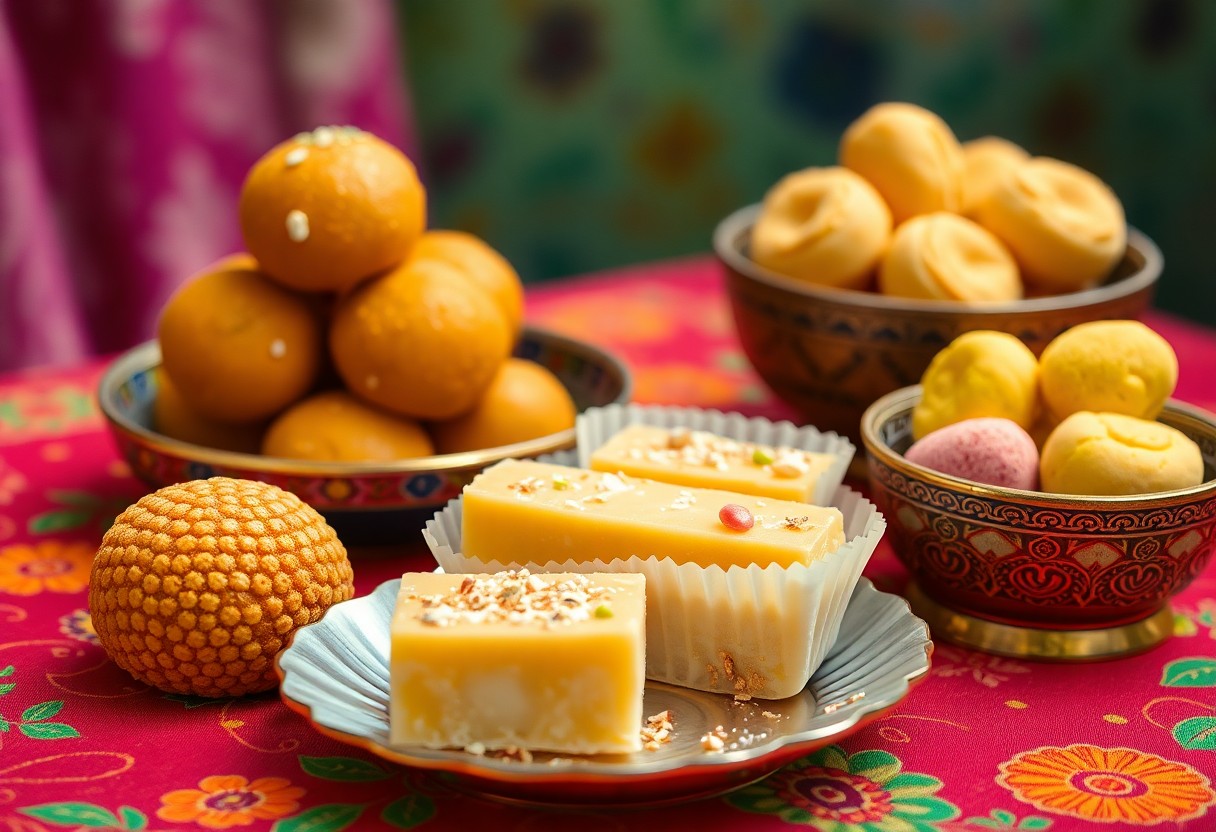
Exploring India’s diverse culinary landscape unveils a treasure trove of regional desserts, each offering unique flavors and textures that reflect local traditions and ingredients. From the rich, creamy delights of the North to the subtly flavored confections of the South, these regional specialties are a testament to India’s culinary heritage. As you savor each bite, you’ll initiate on a flavorful journey that captures the essence of each region’s culture.
North India: From Gulab Jamun to Jalebi
In North India, desserts like Gulab Jamun and Jalebi reign supreme, with each dish telling a story of festivity and celebration. Gulab Jamun, with its soft, syrup-soaked balls, is often a centerpiece at weddings and festivals, while the crispy, golden Jalebi, soaked in sugar syrup, offers a sweet crunch that’s hard to resist. These desserts symbolize joy and togetherness, making them timeless favorites in Indian households.
South India: Exploring the Richness of Payasam and Mysore Pak
South Indian desserts like Payasam and Mysore Pak highlight the region’s affinity for rice, lentils, and jaggery. Payasam, a creamy pudding often made with rice or vermicelli, is enriched with milk, nuts, and cardamom, capturing the essence of celebration. Mysore Pak, a decadent sweet made from chickpea flour, sugar, and ghee, offers a melt-in-your-mouth experience that defines festive occasions in the South.
Payasam comes in various styles, from a simple Kheer using rice and milk to richly flavored versions featuring jaggery and coconut milk. Enhanced with cashews and raisins, this dessert is often prepared during religious festivals, showcasing the importance of tradition. Mysore Pak, famous for its crumbly texture and sweet buttery taste, originated in the royal kitchens of Mysore and continues to be a must-have at celebrations and family gatherings. These desserts not only satiate your sweet tooth but also connect you to a rich cultural lineage that celebrates flavor and heritage.
Modern Twists on Classic Recipes
Innovators are redefining traditional Indian desserts by incorporating contemporary techniques and flavors, ensuring these culinary delights resonate with today’s palate. Chefs often experiment with texture, presentation, and seasonal ingredients, creating desserts like saffron-infused panna cotta or chai-flavored macarons. This fusion allows classic recipes to adapt, drawing in those who may otherwise overlook traditional sweets while maintaining their essence.
Innovating with Ingredients: Healthier Alternatives
You can transform beloved Indian desserts into healthier versions by using alternative sweeteners, whole grains, and natural flavorings. For instance, replacing refined sugar with jaggery or coconut sugar retains sweetness while adding nutritional benefits. Incorporating ingredients like almond flour or oats not only enhances texture but also boosts the fiber content of staples like barfi or ladoo, catering to health-conscious individuals without sacrificing taste.
Fusion Desserts: Bridging Tradition and Contemporary Tastes
Fusion desserts merge the rich heritage of Indian sweets with global influences, resulting in innovative treats that appeal to diverse palates. A popular example is the pistachio cheesecake, blending creamy cheesecake with the earthy notes of traditional Indian nuts, or the chocolate gulab jamun, which marries classic syrup-drenched dough balls with rich chocolate for a decadent experience. These creations not only showcase the versatility of Indian ingredients but also invite a broader audience to explore the depth of Indian flavors through a modern lens.
This fusion movement often incorporates elements from various international cuisines, such as infusing matcha into traditional kheer or creating a tiramisu that incorporates cardamom and espresso. Such combinations appeal to both locals and tourists, reflecting a culinary dialogue that respects traditions while embracing innovation. Indian chefs and home bakers alike are crafting these inventive desserts, and each bite becomes a celebration of culture and creativity, appealing to the adventurous eater within you.
The Cultural Significance of Sweet Sharing
In Indian culture, sharing sweets transcends mere culinary pleasure; it embodies the essence of celebration, community, and connection. During festivals, marriages, and special occasions, the exchange of desserts symbolizes goodwill and joy. This practice reinforces relationships, fostering a sense of belonging and unity among families and friends. Each sweet is not just a treat but a vessel carrying tradition, love, and memories, marking the importance of camaraderie in your social fabric.
Symbolism in Gifting and Social Bonds
The act of gifting sweets during celebrations signifies affection and appreciation. It strengthens your social bonds by expressing emotions that words sometimes fail to convey. Whether it’s a box of ladoos for Diwali or a platter of barfis for weddings, these gestures symbolize warmth and togetherness in your relationships. With each sweet exchanged, you reinforce the cultural fabric that binds your community.
The Role of Desserts in Indian Hospitality
Desserts are central to Indian hospitality and reflect the depth of your culture’s welcoming spirit. Offering sweets, such as gulab jamun or jalebi, to guests signifies respect and warmth, creating a memorable experience. These treats often accompany traditional meals, ensuring that your guests leave with both their stomachs and hearts full. Each dessert shared is a testament to your commitment to making others feel at home.
Sweets play a pivotal role in enhancing the joy of hospitality. For instance, during a visit, serving clients or family members your homemade kheer can turn an ordinary gathering into an unforgettable event. The rich flavors and artistry in each dessert not only showcase your culinary skills but also act as a gateway to meaningful conversations and connections. By incorporating traditional sweets into your hospitality, you celebrate a vibrant cultural legacy while making your guests feel cherished and valued.
To wrap up
Hence, indulging in authentic Indian desserts is a delightful experience that transcends time and trends. From the rich flavors of gulab jamun to the creamy textures of kheer, these treats not only satisfy your sweet cravings but also connect you to India’s rich culinary heritage. Your exploration of these classic desserts invites you to appreciate the artistry and tradition behind each dish, ensuring that the joy of these delights never fades. Celebrate this cultural legacy by savoring these timeless sweets in your own kitchen or at celebrations with loved ones.