You have the opportunity to explore the rich tapestry of traditional Indian sweets, which reflect the country’s diverse culture and culinary heritage. From the creamy delights of peda to the intricate layers of baklava, each sweet tells a story that connects you to the region’s history and celebrations. As you probe into these confections, you will discover unique flavors and textures that have evolved over centuries, making them not only a treat for the palate but also a celebration of tradition and community.
Sweet Beginnings: The Historical Roots of Indian Desserts
Tracing the origins of Indian desserts reveals a fascinating interplay of culture, religion, and regional flavors. Various historical texts indicate that sweets were an integral part of festive occasions and rituals as far back as 3000 BCE. Influences from multiple dynasties, including the Mauryas and Mughals, shaped the diversity of flavors and techniques, resulting in a rich tradition that blends local ingredients with imported practices.
Ancient Influences and Ingredients
Ancient Indian texts like the Vedas and Upanishads highlight the significance of natural sweeteners such as honey and jaggery in culinary practices. The use of milk, fruits, and nuts emerged as necessary components in crafting desserts, reflecting a deep connection to the agrarian lifestyle. Ingredients like saffron and cardamom, valued for their health benefits and flavor, began to appear in recipes, marking the beginning of a sweet evolution.
Evolution Through the Ages
The evolution of Indian desserts is a story of adaptation and innovation over centuries. As trade routes expanded, new ingredients such as sugar from Persia became more accessible, enriching the traditional sweet repertoire. During the Mughal era, intricate techniques and presentations emerged, giving rise to iconic sweets like gulab jamun and kheer. Regional variations flourished, with each state contributing unique twists to traditional recipes, reflecting local tastes and ingredients.
This ongoing evolution has not only preserved ancient sweets but has also encouraged their metamorphosis. Regional adaptations, such as the use of coconut in South Indian desserts or the unique blend of spices in Bengali sweets, showcase the influence of geography and culture. Modern techniques, like incorporating fusion elements, have facilitated the reimagining of classic sweets, ensuring they remain relevant and enjoyable for contemporary palates while honoring their rich historical legacy.
Flavor Profiles: Exploring Regional Specialties
Each region of India offers a unique take on sweets, shaped by local ingredients, climate, and traditions. Discover how distinctive flavors emerge from various parts of the country, from the rich dairy-based confections of the North to the coconut-infused delights of the South, the nuanced sweetness of Eastern treats, and the spiced indulgences of the West. Your journey through these regional specialties promises a delightful exploration of India’s vast culinary landscape.
North India: Milk-Based Marvels
In North India, sweets primarily revolve around milk and dairy, showcasing the region’s rich agricultural heritage. Iconic desserts like Gulab Jamun, made from khoya and soaked in rose-scented syrup, and Rasmalai, featuring soft cheese patties served in creamy milk, highlight the luxurious flavors that define North Indian confectionery.
South India: Rice and Coconut Delights
South India presents a harmonious blend of rice and coconut in its sweets. You can indulge in delicacies like Payasam, a creamy rice pudding flavored with cardamom and garnished with nuts, or Coconut Burfi, a sweet made from grated coconut and jaggery, showcasing the region’s affinity for fresh ingredients.
Payasam is often served during festivals and special occasions, embodying the spirit of celebration in South Indian culture. The preparation involves simmering rice with milk, sugar, and spices, creating a rich, comforting dessert that can be enjoyed warm or chilled. Coconut Burfi, on the other hand, is a versatile treat that combines the natural sweetness of desiccated coconut with jaggery, making it a staple during Diwali and weddings. These sweets not only highlight local ingredients but also represent communal cooking practices, where families come together to prepare these treats, enhancing their significance in festive rituals.
East India: The Delicate Art of Rasgulla and Sandesh
East India is known for its soft and delicate sweets, particularly Rasgulla and Sandesh. You’ll discover how these desserts, primarily crafted from chhena (fresh cheese), highlight the art of Bengali confectionery, where texture and flavor blend seamlessly to create delightful treats.
Rasgulla’s origin is steeped in folklore, reflecting the culinary richness of Bengal. The light, syrup-soaked balls are crafted from curdled milk, rolled into small spheres, and simmered in a sugar syrup. Sandesh, on the other hand, showcases the versatility of chhena, often enhanced with cardamom or fruit to present a more refined flavor. With both sweets, the skill lies in balancing sweetness and texture, making them favorites for festivals and family celebrations across the region.
West India: Festive Flavors and Spices
West India is celebrated for its vibrant sweets, often infused with spices and nuts. From the richness of Puran Poli, a flatbread stuffed with sweet lentil filling, to the tantalizing Chikki made from jaggery and nuts, the region’s sweets are a blend of robust flavors and textures.
Puran Poli is not only a festive favorite but also reflects the area’s diverse culinary influences. This traditional sweet flatbread is often served during festivals like Ganesh Chaturthi, symbolizing abundance and joy. The filling is made from split chickpeas and jaggery, offering a unique taste that melds well with the crispy outer layer. Chikki, with its crunchy texture and rich nutty flavor, varies from region to region and is often made as a token of goodwill during celebrations, making these staples a testament to the communal joy found in West India’s festive scenes.
The Cultural Significance of Sweets in Indian Festivals
In Indian culture, sweets hold a special place during festivals, embodying joy, hospitality, and the spirit of giving. Every celebration, whether it’s Diwali, Eid, or Pongal, features an array of sweets that enhance the festive atmosphere and serve as offerings to deities. These confections narrate stories of tradition and community, making them an imperative part of your celebratory rituals.
Sweets as Symbols of Prosperity and Celebration
Sweets symbolize prosperity and abundance in Indian festivals, often exchanged among family and friends to express well-wishes and strengthen bonds. For instance, during Diwali, you share ladoos and barfis that signify the triumph of light over darkness, instilling hope for a flourishing year ahead.
Unique Festival Delicacies Across Regions
Every region in India boasts its own unique festival sweets, reflecting local ingredients and traditions. In Bengal, you relish the delicate rasgulla and sandesh during Durga Puja, while in Maharashtra, modak is the favorite during Ganesh Chaturthi. Each delicacy tells a tale of its origin, enhancing the festive experience with regional flavors.
Exploring unique festival delicacies across regions reveals the rich tapestry of Indian culture. From the saffron-infused gulab jamun of North India to the jaggery-laden payasam of South India, each sweet is crafted with distinct local flavors and traditions. In Gujarat, you might find the crunchy and sweet chikki, while in Punjab, kheer marks celebrations. These regional variations ensure that each festival is not only a time for celebration but also an opportunity to indulge in the diverse culinary heritage of India.
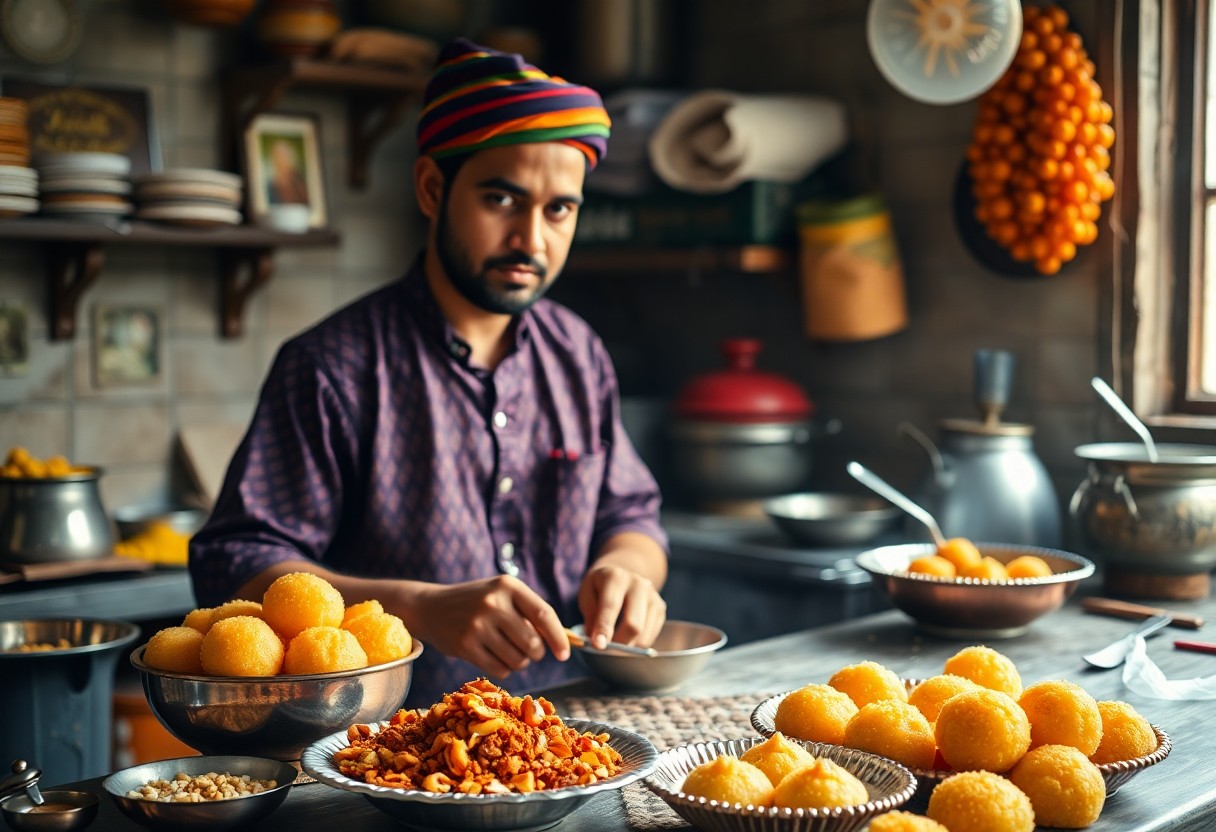
Crafting Tradition: The Art of Making Indian Sweets
Creating Indian sweets is not merely a culinary process; it’s a celebration of tradition and culture, where each sweet embodies centuries of heritage. This art form is passed through generations, ensuring that every bite is rich in flavor and history, connecting you to a legacy that transcends time. From intricate shapes to aromatic spices, every sweet tells a story, inviting you to indulge in a flavorful journey.
Techniques Passed Down Through Generations
You’ll discover that the techniques used to create Indian sweets are often family secrets, preserved and perfected over generations. Many artisans employ methods such as cooking on low flames, kneading dough for the ideal texture, and incorporating heirloom recipes that have been lovingly maintained. This dedication to craftsmanship not only preserves flavors but also honors the ancestors whose hands shaped these traditions.
Ingredients and Preparation: A Culinary Journey
Each Indian sweet is a tapestry woven from diverse ingredients that reflect regional diversity. Common staples like milk, sugar, and flour intertwine with exotic flavors such as cardamom, saffron, and pistachios. You may find yourself exploring unique preparations, such as slow-cooking or fermenting, that enhance flavors. Local variations add a personal touch, utilizing seasonal fruits or nuts, allowing you to experience the evolving nature of Indian confectionery.
The preparation of Indian sweets ranges from the simplicity of combining basic ingredients to the intricate processes involved in crafting more elaborate delicacies. For instance, making traditional Gulab Jamun often involves creating dough from khoya, which is meticulously prepared by reducing milk. Other sweets, like Mysore Pak, rely on precise ratios of gram flour, ghee, and sugar, requiring you to perfect the timing for achieving that melt-in-your-mouth texture. Such techniques not only highlight the importance of quality ingredients but also the finesse required to balance flavors and consistencies, engaging your senses throughout the culinary journey.
Modern Twists: Innovating Traditional Recipes
Your experience with traditional Indian sweets evolves as chefs experiment with innovative techniques and flavors. Modern twists leverage contemporary culinary practices while maintaining the essence of age-old recipes. Ingredients like quinoa, coconut sugar, and almond flour are now popular substitutions, creating unique textures and tastes without compromising authenticity. As you explore these new interpretations, you’ll find sweets that tantalizingly reinterpret classics to meet modern palates and dietary preferences.
Fusion Flavors and Contemporary Takes
Your palate is about to begin on an exciting journey with fusion flavors, where traditional Indian sweets meet global influences. Think rabri cheesecake or rasgulla tiramisu, where traditional ingredients blend seamlessly with contemporary dessert styles. Chefs combine spices like cardamom and saffron with chocolate and fruits, offering something fresh yet familiar. This creativity showcases how Indian sweets can transcend cultural boundaries while remaining deeply rooted in tradition.
Health-Conscious Adaptations of Classic Sweets
Modern adaptations of classic sweets embrace the health trends that shape today’s culinary landscape. You can indulge in guilt-free treats that use natural sweeteners, whole grains, and nutritious ingredients. Recipes for jaggery-based laddoos replace refined sugar, while besan barfis are made with almond flour to cater to gluten-free diets. These adaptations provide a way to enjoy your favorite sweets without compromising on health.
Today’s health-conscious versions of classic sweets often prioritize lower sugar content and nutrient-dense ingredients. For instance, you can find nutritious versions of gulab jamun made with brown sugar and baked instead of fried. Similarly, lactose-free variations of milk-based desserts, using coconut or almond milk, cater to dietary restrictions. These innovations not only ensure a healthier option but also preserve the delightful essence of the originals, allowing you to enjoy your favorite flavors with added benefits.
To wrap up
So, as you explore the diverse world of traditional Indian sweets, you not only indulge in delightful flavors but also connect with rich cultural heritage. Each sweet represents a unique region and storytelling tradition, inviting you to appreciate the artistry and craftsmanship behind these confections. Enjoy your journey through the myriad tastes and textures that showcase the essence of India, enriching your culinary experiences and broadening your understanding of its vibrant culture.