With a rich history and vibrant cultural significance, traditional Indian sweets offer a delightful journey through flavors and textures that you won’t want to miss. These confections, often made from ingredients like milk, sugar, and an array of spices, reflect regional variations and festive occasions across the country. As you probe this flavorful world, you’ll discover not only the exquisite tastes but also the stories and traditions behind each dessert. Prepare your palate for an unforgettable experience that celebrates the essence of Indian culinary artistry.
The Cultural Significance of Indian Sweets
In India, sweets are more than mere desserts; they embody tradition, community, and celebration. Often crafted from age-old recipes passed down through generations, these confections play a vital role in festivals, weddings, and religious ceremonies, symbolizing prosperity and good fortune. Each sweet is tied to a story or event, making them crucial in expressing cultural identity and familial bonds, connecting you deeply to your roots during moments of joy.
Symbolism in Celebrations
Sweets serve as a tangible representation of happiness in various celebrations, be it Diwali, Holi, or weddings. Offering sweets to guests is customary, symbolizing the sharing of joy and goodwill. For instance, the exchange of ladoos during festivals signifies blessings and new beginnings, making them an integral part of every auspicious occasion in your life.
Regional Variations and Their Stories
Every region in India has its unique spin on sweets, each with stories that reflect the local culture and heritage. For instance, in West Bengal, roshogolla is celebrated for its spongy texture and sweetness, while in Punjab, the iconic gulab jamun highlights a rich, syrupy delight. These regional variations not only tantalize your taste buds but also immerse you in the rich tapestry of India’s culinary history.
Exploring regional variations reveals a treasure trove of unique ingredients and preparation methods. In South India, for example, the use of coconut in payasam showcases the region’s agricultural bounty and influences. In contrast, the saffron-infused sweets of Kashmir reflect the region’s rich heritage and climate, where saffron is a prized possession. Each sweet you encounter tells a story of geography and tradition, enriching your understanding and appreciation of Indian culture.
Essential Ingredients Behind Iconic Flavors
Diving into traditional Indian sweets reveals a tapestry of necessary ingredients that imbue each delicacy with its unique flavor profile. From the rich, creamy textures to the alluring sweetness, these components bridge generations and cultures, ensuring that every bite is a journey through history and tradition.
The Role of Milk and Dairy Products
You’ll find that milk and its derivatives are fundamental in many traditional sweets. Ingredients like khoya, paneer, and ghee not only enhance the flavor but also contribute to the smooth texture that characterizes confections such as Gulab Jamun and Barfi. The process of reducing milk to create khoya, for example, intensifies its flavor, making it a sought-after base in numerous recipes.
Exploration of Natural Sweeteners
Natural sweeteners like jaggery and honey play a significant role in achieving the authentic flavors of Indian sweets. Unlike refined sugar, these alternatives not only provide sweetness but also impart distinct flavors that elevate the overall taste profile. Jaggery, often used in traditional recipes, offers a rich, caramel-like flavor that pairs beautifully with ingredients like coconut and sesame seeds.
Jaggery, made from unrefined cane sugar, stands out for its deep, molasses-rich taste. It’s packed with minerals and offers a complex sweetness that refined sugar lacks. In dishes such as Puran Poli and Tilgul, you’ll appreciate how jaggery enriches the flavor, making these sweets not just delightful but also a healthier alternative. Honey, another popular sweetener, is celebrated for its floral notes and health benefits, adding a touch of elegance to sweets like Kheer or Ladoo. Embracing these natural sweeteners not only enhances the taste but also connects you to the wholesome traditions of Indian cuisine.
Timeless Sweets That Define Indian Desserts
Indian desserts are a celebration of flavors, textures, and traditions that have stood the test of time. Each sweet carries with it stories of regional influences and cultural practices, making them not just culinary delights but a rich aspect of India’s heritage. You will find variations across states, from the syrup-drenched gulab jamun to the rich, layered barfi, which together showcase the diverse palate that defines Indian sweets.
The Allure of Gulab Jamun
Gulab jamun has an irresistible charm that draws you in with its golden-brown exterior and melt-in-your-mouth texture. Made from khoya (evaporated milk) and soaked in a fragrant sugar syrup infused with cardamom and rosewater, every bite is a balance of sweetness and softness that lingers on your palate. Often served at celebrations and festivals, this iconic dessert holds a special place in your heart, symbolizing joy and togetherness.
Unpacking the Layers of Barfi
Barfi, known for its rich, creamy texture and delicate sweetness, showcases an array of flavors and ingredients. This traditional dessert, typically made from condensed milk, sugar, and a variety of nuts, comes in numerous styles, each representing different regional specialties. Whether it’s the classic kaju barfi or the colorful peda, you can experience an explosion of tastes with each layered bite.
Barfi is not just a treat for the taste buds; it’s a canvas for creativity in Indian sweets. With variations including coconut, chocolate, and even saffron-infused options, each piece is crafted to highlight unique flavor profiles. For instance, kaju barfi uses cashew nuts for a dense, rich experience, while pista barfi incorporates pistachios for a vibrant green hue and a distinct nutty flavor. This versatility allows you to explore different textures and tastes, making barfi a delightful addition to your dessert table.
The Art of Crafting Traditional Sweets
Mastering traditional Indian sweets requires not only knowledge of ingredients but also a deep appreciation for the craft. Each sweet is a labor of love, bringing together texture, flavor, and presentation. Whether you’re preparing delectable laddus or fragrant gulab jamun, the process often involves specific steps that reflect regional nuances and family traditions. Meticulously following age-old methods ensures authenticity and preserves the essence of these beloved delicacies.
Recipes Passed Down Through Generations
Many traditional Indian sweet recipes have survived the test of time, lovingly passed down within families through generations. Each recipe often carries a unique story, adding depth to the flavors you savor. For instance, your grandmother’s recipe for barfi might include secret proportions or techniques that enhance its creamy texture and rich taste. Sharing these recipes keeps cultural heritage alive, allowing you to introduce these cherished flavors to a new generation.
Techniques and Tips for Home Cooks
Crafting traditional sweets at home can be an enjoyable venture with the right guidance. Familiarize yourself with vital techniques like tempering, which is key in creating smooth textures, or the art of shaping sweets, which adds a personal touch. Use fresh, quality ingredients to elevate flavors, and don’t hesitate to experiment with spices for an extra kick. The joy of creating lies in the details.
- Understand your cooking equipment to achieve precise temperature control.
- Always measure ingredients accurately for the perfect balance.
- Practice patience; many sweets require resting periods to enhance flavor.
- This disciplined approach can transform your sweet-making journey.
Temperature control is vital in ensuring that your sweets have the right consistency. For instance, attaining the correct sugar syrup consistency can mean the difference between a perfect jalebi and a sticky disaster. Additionally, use a heavy-bottomed pan to distribute heat evenly, minimizing the risk of burning. Experiment with local flavors; incorporating regional nuts or fruits can make your sweets truly special.
- Try using natural food colorings for authenticity.
- Enhance texture by experimenting with nuts and dried fruits.
- Don’t shy away from adding innovative twists to traditional recipes.
- This approach leads to wonderfully unique creations while honoring tradition.
Contemporary Twists on Classic Recipes
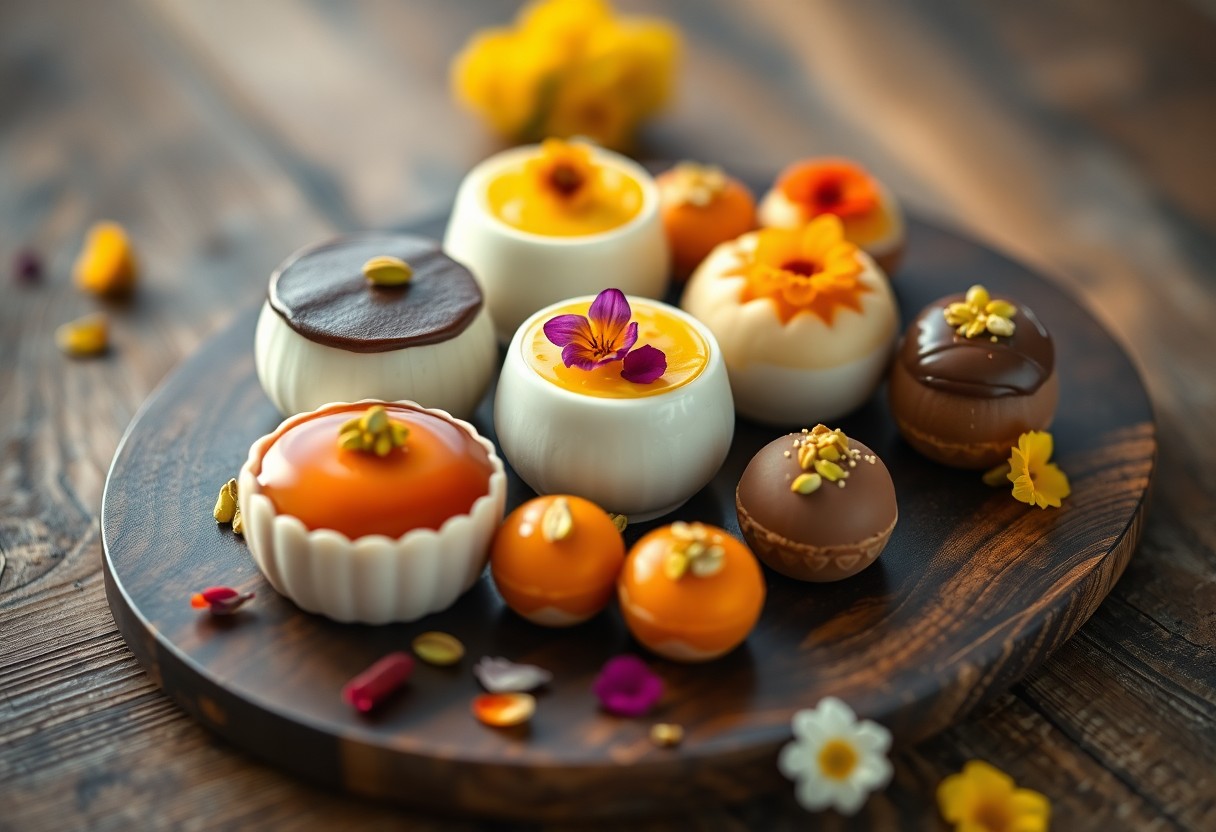
Modern chefs are redefining traditional Indian sweets, infusing them with global ingredients and innovative techniques. This evolution not only enhances flavors but also introduces these timeless treats to new audiences. You’ll find classics reimagined with elements like matcha, sea salt, or even vegan alternatives, making them accessible and exciting for everyone. The essence of these sweets remains intact, while new textures and tastes create a refreshing experience.
Fusion Desserts Blending Tradition and Modernity
Fusion desserts seamlessly merge traditional Indian sweets with global culinary influences. You may encounter dishes like Gulab Jamun Cheesecake or Coconut Ladoo Macarons, where rich textures and flavors complement each other beautifully. This creative blend not only pays homage to India’s sweet heritage but also widens its appeal to diverse palates across the world.
Innovative Takes by Modern Chefs
Chefs are pushing the boundaries of traditional recipes by incorporating unconventional ingredients and techniques. You might find Rasgulla served with a spiced fruit compote or Jalebi served as an airy mousse. This playful approach engages the senses, transforming each dish into a culinary adventure, while still respecting the core essence of Indian sweets.
By experimenting with unconventional pairings and presentation styles, modern chefs redefine how Indian sweets are perceived. You’ll notice a shift towards using fresh, local produce, which enhances flavors while maintaining authenticity. Chefs like Pooja Dhingra and Kunal Kapur are examples of culinary innovators who incorporate elements from their global travels or contemporary food trends into classic recipes. Their distinctive creations challenge the conventional notion of Indian desserts, inviting you to explore a new dimension of taste that celebrates India’s rich culinary heritage in exciting ways.
Summing up
As a reminder, exploring traditional Indian sweets offers you a gateway to rich flavors and cultural experiences that have stood the test of time. Each sweet is not just a treat but a story of heritage and craftsmanship that enhances your culinary journey. By sampling these delightful confections, you connect with India’s diverse traditions and enjoy unique tastes that you won’t find elsewhere. Embrace the opportunity to indulge in these timeless flavors and elevate your palate with each bite.