You may have noticed that Indian sweets offer a unique taste experience that sets them apart from traditional desserts in Canada. In the context of texture, flavor, and ingredients, authentic Indian sweets are crafted with a distinct blend of spices and natural sweeteners that reflect the rich cultural heritage of India. In this blog post, you will discover the key differences that make these sweets not only delightful but also an integral part of celebrations and everyday life in Indian culture.
Historical Origins of Indian Sweets
While the origins of Indian sweets can be traced back thousands of years, they are deeply intertwined with the cultural and religious practices of the subcontinent. These confections were often created as offerings to deities during festivals and rituals, which signify the purity and devotion inherent in the recipes. As you explore the evolution of these sweets, you’ll find a rich tapestry of influences from various regions, including royal kitchens, household traditions, and even Persian and Mughal culinary artistry. This melding of diverse traditions has led to a wide variety of flavors and textures, each steeped in its own historical narrative.
While many other dessert traditions in Canada are rooted primarily in Western influence, Indian sweets have taken shape through a process of regional experimentation, creating unique recipes that can vary significantly from one region to another. Whether it’s the milk-based sweets from the northern states or the coconut-based delights of the southern coast, understanding where these delicacies originated gives you deeper insight into the sociocultural factors that have shaped them, allowing you to appreciate these treats on a more profound level.
Cultural Significance
To appreciate Indian sweets, you must recognize their integral role in social and religious contexts. These treats are not just desserts; they serve as a medium for celebrating life’s milestones. From weddings to religious ceremonies and festivals like Diwali and Holi, sweets are an vital component, symbolizing joy and togetherness. You will often find that sharing these confections signifies hospitality and goodwill, positioning them as a vital part of community life.
To further grasp their importance, consider how Indian sweets are intertwined with storytelling and traditions passed down through generations. Families often have their secret recipes, representing not only culinary skills but also a sense of belonging and cultural heritage. This rich tradition adds an emotional layer to each bite, allowing you to connect with your heritage or the stories of those who enjoy these treats today, making the experience of eating them even more special.
Traditional Ingredients
About the ingredients, Indian sweets are characterized by their use of traditional staples that differentiate them from many Western desserts. You’ll often encounter ingredients like condensed milk, jaggery, and a variety of spices, including cardamom and saffron. These elements not only contribute to the flavors and textures you experience but also resonate with the nutritional philosophies intrinsic to Indian cuisine, where sweets are crafted with a balance of taste and health in mind.
Understanding the importance of these traditional ingredients helps you appreciate the intricate flavors that define Indian sweets. Each region utilizes local ingredients, leading to variations that reflect availability and cultural preferences. For example, the use of coconut in south Indian sweets connects with the coastal geography, while the abundant use of milk in northern delicacies showcases the agrarian lifestyle. By exploring these ingredients, you gain insights into both the culinary practices and the historical connections that shape Indian sweets, providing a richer context for your gastronomic journey.
Key Ingredients that Define Authentic Indian Sweets
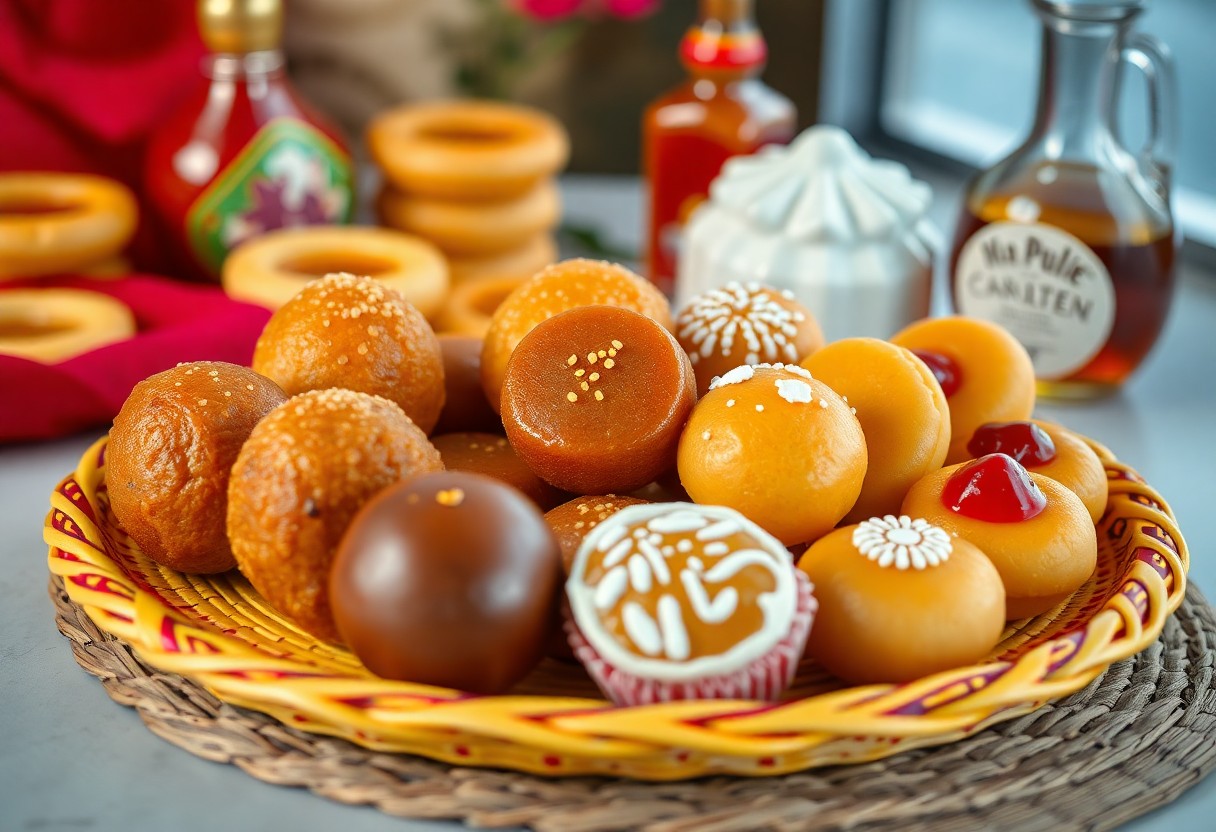
Some of the key ingredients that set authentic Indian sweets apart from other desserts are primarily related to their use of natural components and cultural significance. Unlike many desserts in Canada that often rely on processed sugars and artificial flavorings, Indian sweets are deeply rooted in the traditions of using pure, natural ingredients. You’ll notice ingredients like jaggery, which is unrefined cane sugar, and khoya, a type of reduced milk that adds richness to the textures and flavors. Moreover, spices such as cardamom, saffron, and rose water are frequently incorporated, infusing the sweets with a fragrance and depth that elevates them far beyond ordinary dessert fare. These elements not only enhance the flavor but also connect you to the traditions and practices that have been passed down through generations.
Use of Natural Sweeteners
Above all, the use of natural sweeteners plays a pivotal role in defining Indian sweets. Traditionally, jaggery and palm sugar are favored for their complex flavor profiles compared to granulated sugar. These natural sweeteners offer a rich, caramel-like taste that provides a unique experience in every bite, contrasting sharply with the sweetness associated with refined sugars that dominates many Western desserts. As you explore these sweets, you’ll appreciate how the choice of sweeteners influences both the taste and nutritional aspects, making them not just indulgent treats but also a celebration of authentic health-conscious eating.
Regional Variations
Before diving deeper, it’s important to recognize that Indian sweets showcase remarkable regional variations across the subcontinent. Each region utilizes its unique ingredients, cooking methods, and cultural influences, resulting in diverse flavors and textures. For instance, while the north is known for its milk-based sweets like Rasgulla and Gulab Jamun, the south offers treats like Mysore Pak and Laddu made from chickpea flour and ghee. As you traverse through these variations, you will discover how local climates, agricultural products, and culinary traditions shape the sweets, ensuring that each bite tells a story of its origin.
Authentic Indian sweets are not only a reflection of regional diversity but also a testament to the rich history and cultural identity of India. As you explore these culinary masterpieces, you will find that each region has adapted its recipes according to local tastes and available ingredients, creating a mosaic of flavors that resonate with everyone—from the intensity of spiced desserts in the north to the sweetness of coconut-based preparations in the south. Embracing this variety allows you to appreciate the depth and richness of Indian cuisine as represented in its beloved sweets.
Distinct Preparation Techniques
Not all desserts are created equal, especially when it comes to the preparation techniques that differentiate authentic Indian sweets from those you may find in Canada. The art of making these indulgent treats lies in the intricate methods that have been passed down through generations. Whereas many Canadian desserts may focus on convenience and efficiency, Indian sweets often require meticulous attention to detail, starting from the selection of raw ingredients to the final garnishing touches. This passion for authentic preparation ensures that each dessert resonates with rich flavors and traditional heritage that you won’t find elsewhere.
Traditional Cooking Methods
Distinct from many other dessert-making processes, traditional Indian sweets typically involve a range of unique cooking techniques. You might encounter methods such as slow-cooking milk to make khoya, or reducing it down to create a thick, rich base for various confections. These cooking techniques are not just about heating ingredients; they also emphasize the importance of timing, temperature, and texture. Each stage in the cooking process is carefully designed to amplify the natural flavors, culminating in a deliciously textured and aromatic sweet that is truly representative of Indian cuisine.
Modern Adaptations
Modern Indian sweet-making has begun to embrace innovative techniques, merging traditional recipes with contemporary cooking methods. Modern adaptations often involve the use of equipment like pressure cookers or microwave ovens, allowing for quicker preparation times while still retaining the essence of each sweet. You might find that some popular Indian desserts have been modified to suit modern tastes, incorporating ingredients like gluten-free flours or reduced sugar levels to cater to dietary preferences.
Indeed, these modern adaptations do not only serve to save time and effort, but they also open the door for creative experimentation within Indian sweets. By combining time-honored recipes with modern culinary practices, you can enjoy a variety of flavors and textures that are tailor-made for today’s discerning palate. Whether it’s a fusion trifle or a spiced mousse, these innovative sweets honor their roots while ensuring you can savor delightful Indian flavors in a new and exciting way.
Comparison with Canadian Desserts
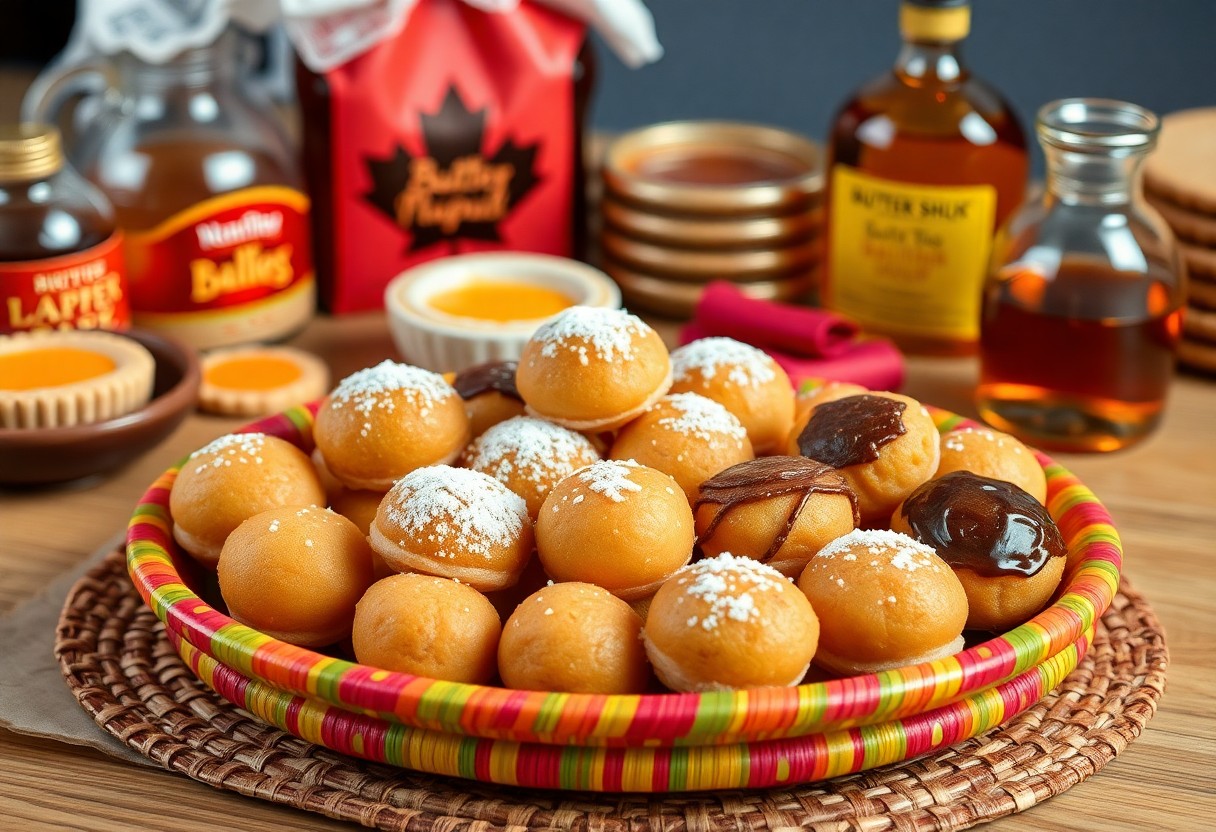
Your experience with desserts can vary greatly depending on the flavors and cultural significance behind them. The distinction between authentic Indian sweets and Canadian desserts lies in their origins, ingredients, and flavors. Understanding these differences can enhance your appreciation for both culinary traditions. Below is a table that highlights some of these key differences:
| Aspect | Authentic Indian Sweets | Canadian Desserts |
|---|---|---|
| Flavoring Agents | Often flavored with cardamom, saffron, and rose water | Usually rely on vanilla, chocolate, or maple syrup |
| Sweetness Level | Can be intensely sweet with complex flavors | Generally sweeter but with straightforward flavor profiles |
| Use of Dairy | Heavy use of ingredients like khoya or condensed milk | Often use whipped cream or butter in desserts |
Flavor Profiles
At the heart of Indian sweets lies a unique blend of spices that sets them apart from Canadian desserts. Indian sweets like gulab jamun and jalebi are often infused with an interesting array of flavors, combining warm spices such as cardamom and cinnamon, with aromatic elements like rose or saffron. This rich tapestry of flavors creates a multi-dimensional taste experience that often lingers on your palate. In contrast, Canadian desserts tend to favor a more straightforward approach to flavor, typically relying on familiar ingredients like chocolate, vanilla, or fruit combinations that provide satisfaction but lack the depth found in their Indian counterparts.
Your exploration of desserts will reveal that while Canadian desserts celebrate simple, classic flavors, Indian sweets often take you on a journey of complexity and richness. You’ll find less emphasis on a singular flavor profile in Indian cuisine, as each bite of a sweet like barfi or laddoo may offer contrasting tastes and aromatic nuances that elevate the dessert experience. This interplay of flavors invites you to savor your sweets more thoughtfully, while Canadian desserts typically offer a quicker indulgence but with less creative depth.
Texture and Presentation
Alongside their distinctive flavors, the texture and presentation of authentic Indian sweets are also points of difference. Indian desserts vary greatly in texture—from the soft, melt-in-your-mouth sensation of sandesh to the crunchy exterior of a samosa filled with sweet fillings. They are often elaborately garnished with nuts, dried fruits, or vibrant edible colors, making them visually captivating and rich in sensory experience. On the other hand, Canadian desserts often focus on creamy textures, such as the smoothness of cheesecake or the fluffy nature of meringue, with fewer decorative elements that showcase their appeal.
And while Indian sweets often come adorned with pistachios, almonds, or even a delicate gold leaf, Canadian desserts might sport a sprinkle of powdered sugar or a drizzle of caramel. This difference in presentation speaks volumes about cultural preferences—while Indian sweets are often festive and celebratory in appearance, Canadian desserts may lean towards a homey feel, making them less ornate but still comforting in their simplicity. As you explore these desserts, pay attention to how texture and visual appeal can significantly elevate your dessert experience.
Popular Authentic Indian Sweets in Canada
Many people in Canada have developed a taste for authentic Indian sweets that offer a delightful experience distinct from other desserts. These sweets are often rich in flavors, textures, and cultural significance, making them an vital part of any celebration or gathering. From the vast array of choices, a few sweet treats stand out, captivating many dessert enthusiasts craving a unique indulgence.
Gulab Jamun
After being prepared with deep-fried dough made from milk solids, Gulab Jamun is then soaked in a fragrant syrup infused with cardamom and rosewater. This dish offers a fine balance of sweetness and aromatic flavor, making it irresistible. When you bite into one of these small, round treats, you are met with a soft, spongy interior that absorbs the syrup, resulting in an explosion of delightful sweetness in your mouth.
Jalebi
On the other hand, Jalebi presents a vividly colorful and crispy treat that consists of coiled batter, which is deep-fried and then dipped in sugar syrup. This sweet is often enjoyed warm and is characterized by its crunchy exterior and juicy, syrup-soaked texture inside. Your experience with Jalebi is unlike anything else, as the contrast between the crispy and moist elements creates a delightful sensation.
But what makes Jalebi even more appealing is its versatility; it can be enjoyed on its own or paired with various accompaniments, such as yogurt or milk. Its captivating presentation, with vibrant colors and intricate shapes, makes it a popular choice at cultural festivals and celebrations, where it plays a vital role in showcasing the richness of Indian cuisine. When you savor Jalebi, you take part in a sweet tradition that has delighted generations and continues to charm those who try it.
The Role of Festivals in Indian Sweet Consumption
All across India, festivals are an integral part of life, and they serve as the perfect backdrop for indulging in authentic Indian sweets. During these special occasions, your senses are likely to be overwhelmed by the alluring aromas of freshly made sweets. Each festival holds its own significance, and so do the traditional desserts associated with them. For instance, Diwali, the Festival of Lights, often sees households preparing mouth-watering sweets like Gulab Jamun and Ladoo, which symbolize prosperity and happiness. Similarly, during Eid, the decadent pastry called Baklava and the rich Kheer are often prepared to celebrate the spirit of sharing and joy. These sweet treats not only embody the essence of the festival but also act as a medium to connect with your family and friends, strengthening your communal bonds.
Celebrations and Traditions
Traditions play a vital role in shaping the culinary experiences associated with Indian festivals. The making and sharing of sweets are often passed down through generations, enriching the process with family stories and cultural heritage. When you prepare and enjoy these sweets, you participate in a long-standing tradition that emphasizes unity, gratitude, and celebration within your community. Whether it’s the vibrant colors of Holi or the reflective solemnity of Navratri, the unique sweets you partake in serve not only to please the palate but also to invoke a deeper connection to your roots and the essence of festive joy.
Community Gatherings
Indian festivals aren’t merely personal celebrations; they are also community gatherings that enhance social cohesion. Indian sweets become the stars during these communal events, as everyone contributes their variations and specialties, showcasing the rich diversity of Indian confectionery. Whether it’s a local fair, a temple celebration, or family reunions sparked by a holiday, the sharing of sweets becomes a delightful way to foster connections. It is in these moments that you share stories, laughter, and experiences, making every gathering memorable with every bite of these delightful offerings.
Understanding the significance of community gatherings can help you appreciate the role that Indian sweets play in fostering relationships. When you partake in the distribution of sweets during festivals, you are engaging in a time-honored custom that brings people together, irrespective of their backgrounds. The act of preparing and sharing sweets often reflects generosity, making you feel included in something much larger than yourself. This unifying aspect of Indian sweets enhances your festive experience, creating cherished memories that last a lifetime.
To Wrap Up
Presently, when you explore the world of sweets in Canada, you’ll quickly notice how authentic Indian sweets stand out. These desserts are not just about taste; they embody a rich tradition and use specific ingredients like jaggery and cardamom that are lesser-known in mainstream Canadian desserts. The methods of preparation, often involving time-honored techniques passed down through generations, add a depth of flavor and texture that you may not find in typical Western confections. The vibrant colors and aromatic spices create a sensory experience that is uniquely Indian, making these sweets more than just a treat but a celebration of culture and heritage.
Furthermore, as you investigate into Indian sweets, you’ll appreciate their significance in various cultural and religious celebrations, enhancing your connection to the customs behind them. While you might enjoy a chocolate cake or a slice of pie, the experience of savoring an authentic Indian sweet allows you to engage with a deeper narrative of community and tradition. Whether it’s the creamy richness of gulab jamun or the nutty delight of barfi, each bite invites you to discover and celebrate the diverse culinary landscape that makes Indian sweets a distinctive offering amidst Canadian desserts.