Traditional Indian sweets Heritage Green
Traditional Indian sweets Heritage Green are becoming a delightful way for residents to explore the rich and colorful world of Indian desserts. Known for their unique textures, aromatic ingredients, and cultural significance, these sweets offer more than just flavor. They represent celebration, hospitality, and centuries of culinary craftsmanship that continue to bring people together.
The Cultural Meaning Behind Traditional Indian Sweets Heritage Green
Traditional Indian sweets Heritage Green carry a deep cultural importance that goes far beyond dessert. In Indian traditions, sweets symbolize happiness, prosperity, and good fortune. They are exchanged during festivals, weddings, religious ceremonies, and moments of celebration as a way to share joy with others.
This meaningful practice is now finding a home in Heritage Green, where people from different backgrounds are embracing the warmth of Indian hospitality through food. Traditional Indian sweets Heritage Green are often chosen for birthdays, anniversaries, and community events because they add a sense of tradition and festivity.
Popular Varieties of Traditional Indian Sweets Heritage Green
One of the most appealing aspects of traditional Indian sweets Heritage Green is the wide variety available. Milk-based delicacies such as barfi, peda, and rasmalai are loved for their creamy texture and delicate sweetness. Syrup-soaked treats like gulab jamun and rasgulla are known for their soft, melt-in-the-mouth experience.
Dry sweets such as besan ladoo and kaju katli are particularly popular for gifting. Their elegant presentation and balanced flavor make them ideal for special occasions. The diversity ensures that traditional Indian sweets Heritage Green cater to different tastes, whether someone prefers rich, nutty, or lightly sweet desserts.
Authentic Ingredients and Preparation Methods
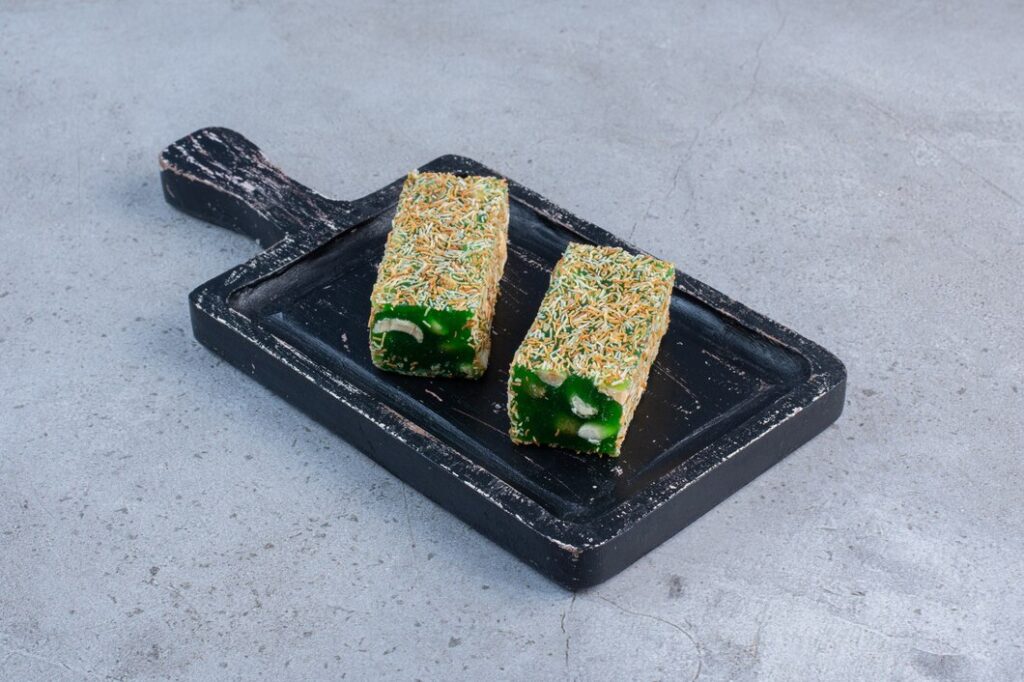
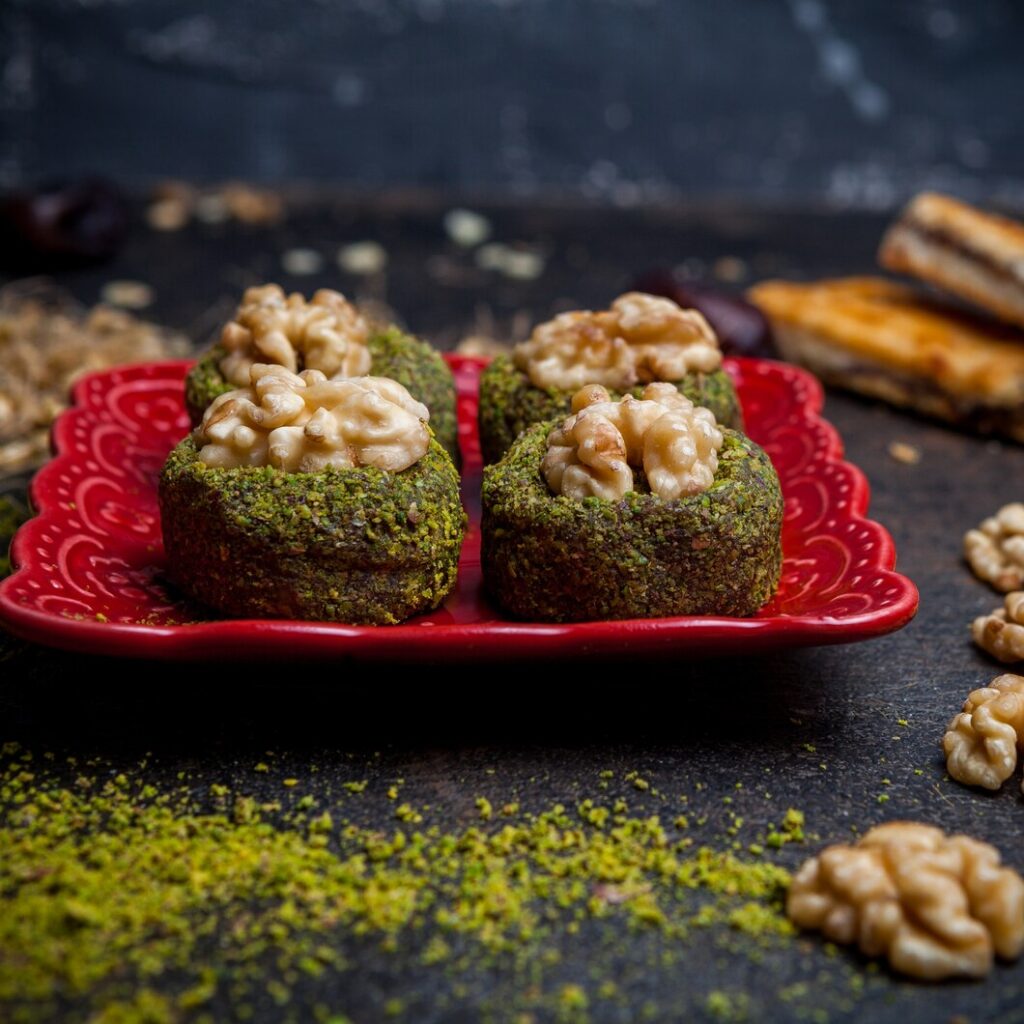
The authentic flavor of traditional Indian sweets Heritage Green comes from the use of high-quality ingredients and traditional cooking techniques. Fresh milk, pure ghee, cardamom, saffron, and premium nuts are essential components that give these sweets their distinctive taste and aroma.
Skilled sweet makers follow time-honored methods such as slow-cooking milk to create khoya and carefully preparing sugar syrups to achieve the perfect consistency. This attention to detail ensures that traditional Indian sweets Heritage Green maintain their original charm while meeting modern expectations for freshness and quality.
Conclusion
Traditional Indian sweets Heritage Green are more than just a delicious indulgence; they are a symbol of culture, celebration, and togetherness. Their rich flavors, authentic preparation, and deep-rooted traditions make them a cherished choice for both Indian families and the broader community.
As Heritage Green continues to embrace diverse culinary traditions, the love for traditional Indian sweets Heritage Green is only expected to grow.